Meta opens up AI networking stack at 2026 OCP summit
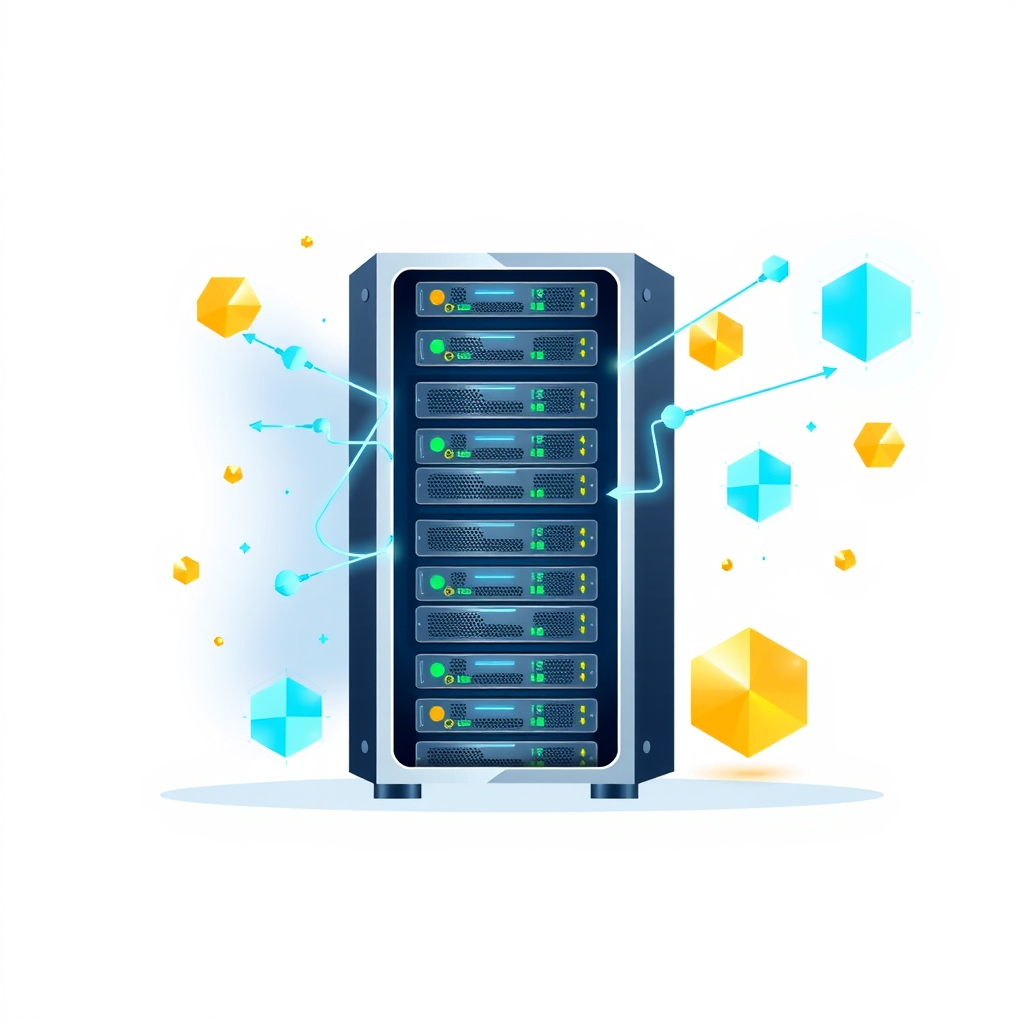
Meta released details on liquid-cooled switches, open RDMA transport, and multi-tier fabrics supporting its gigawatt-scale Prometheus cluster.
Kubernetes, GPUs, DevOps, observability and keeping production healthy.
Meta released details on liquid-cooled switches, open RDMA transport, and multi-tier fabrics supporting its gigawatt-scale Prometheus cluster.
NVIDIA extends its autonomous recovery engine to Kubernetes via Run:ai, enabling self-healing infrastructure that distinguishes between hardware faults and transient software errors.
Benchmarking shows a tuned Flame service embedding vLLM reaches within 1% of standalone vLLM throughput on short bursts by optimizing prefix affinity and batch admission.
Philip O'Toole traces the twelve-year history of distributed SQLite, detailing how rqlite pioneered Raft-based replication before the rise of Litestream, Turso, and managed edge databases.
Independent Kubernetes controllers like HPA, VPA, and KEDA often fight over the same resources, causing instability. A unified, autonomous approach is needed to resolve these conflicts.
A practical lab demonstrates how to combine Kamaji and HAMi to enable fractional GPU allocation across isolated Kubernetes tenants using simulated hardware.
New Kubernetes integrations aim to sync schedulers with autoscalers, while llm-d v1.0 matures distributed inference. Observability tools struggle to track state changes in agentic workloads.
Learn how to filter high-cardinality AI agent telemetry in the OpenTelemetry Collector to reduce storage costs while keeping key operational insights.
Google will offer Agent Compute Engine, the hardware-isolated microVM system powering Gemini, as a preview service for Google Cloud users later this year.
New benchmark data shows that providing read-only context tools to existing coding agents reduces mean diagnosis time from 191 seconds to 64 seconds on Kubernetes faults.
KiviDB is a new multi-threaded, Rust-written key-value store that offers Redis protocol compatibility and integrated vector search capabilities.
Kubernetes autoscaling often mismatches GPU topology requirements, leaving expensive hardware idle. Dynamic Resource Allocation bridges the gap between scheduling and provisioning.
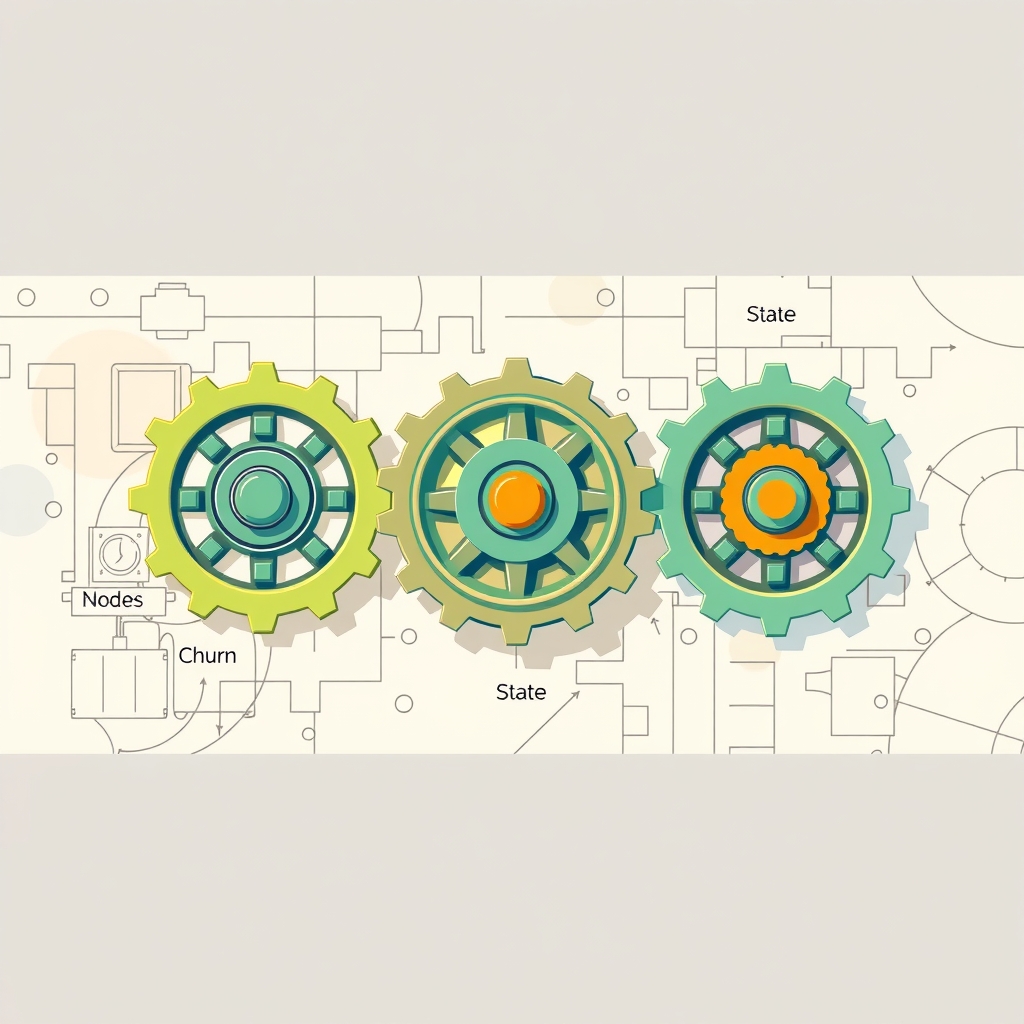
Kubernetes clusters fail at scale due to node churn, object state, or write intensity, not just node count. New architectural seams offer targeted fixes for each bottleneck.
A critical vulnerability in the Linux kernel networking code, dubbed PwnEscape, allows guest virtual machines to read host memory. The flaw affects cloud infrastructure and requires immediate host ker
Cloudflare fixed a rare bug in Hyperdrive’s MySQL support where shared CDN caches returned empty results due to protocol capability mismatches between nodes.