NVIDIA Mission Control 2.5 adds autonomous recovery for Kubernetes AI workloads
NVIDIA extends its autonomous recovery engine to Kubernetes via Run:ai, enabling self-healing infrastructure that distinguishes between hardware faults and transient software errors.
NVIDIA has released Mission Control 2.5, extending its autonomous recovery engine to support Kubernetes-based AI workloads managed by NVIDIA Run:ai. Previously limited to Slurm-based high-performance computing environments, this update allows AI factories to automatically detect, diagnose, and recover from infrastructure anomalies without manual intervention.
What happened
The core development in this release is the integration of an autonomous recovery framework directly into the Kubernetes scheduling loop. This system is designed to address the unique challenges of modern AI training, where jobs run across hundreds of nodes for days or weeks. At this scale, traditional reactive monitoring and manual troubleshooting become bottlenecks that waste expensive accelerator capacity.
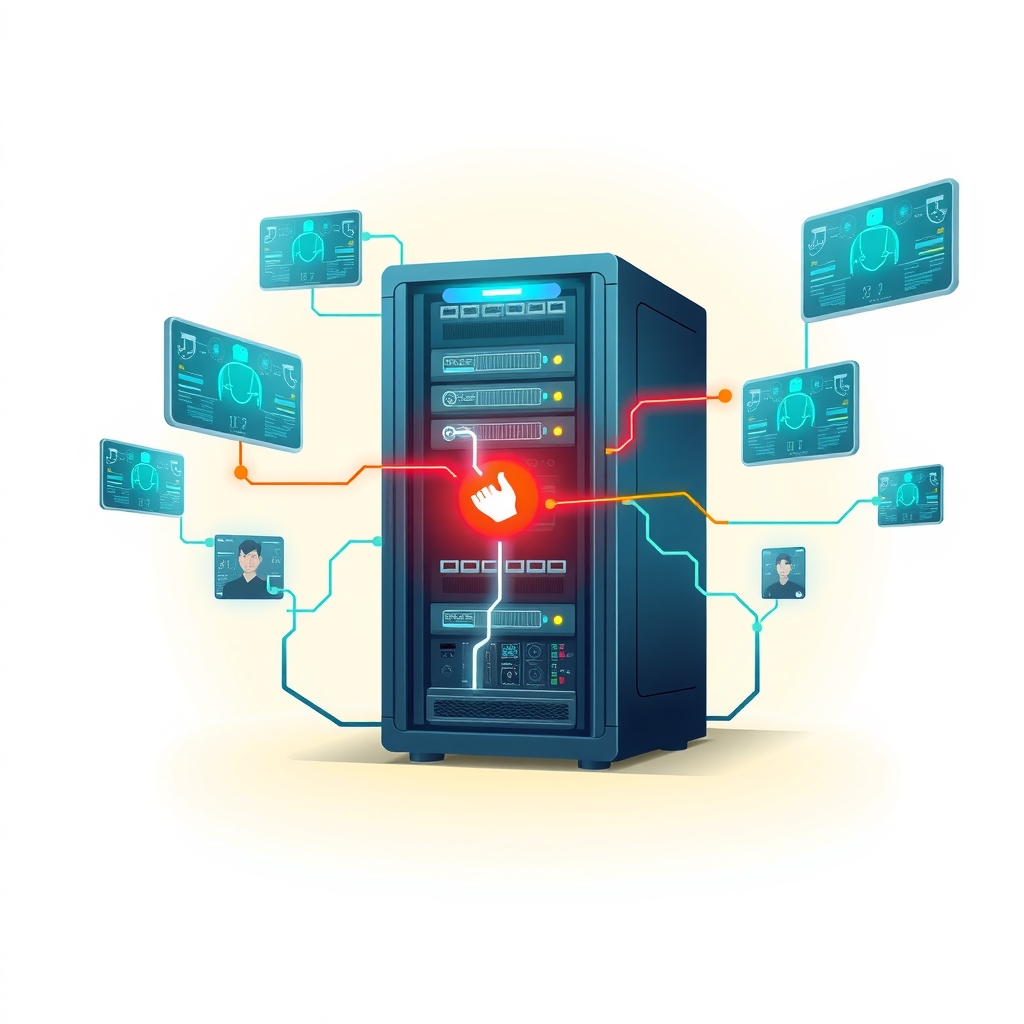
Mission Control 2.5 introduces a three-layer control loop that coordinates the Kubernetes scheduler, an autonomous job recovery service, and an autonomous hardware recovery service. This architecture allows the platform to distinguish between different types of failures. It can restart a job due to a transient software error while simultaneously quarantining a node suffering from hardware degradation, ensuring that faulty resources do not disrupt subsequent workloads.
This extension marks a shift from scheduler-specific incident workflows to a unified, scheduler-aware operating model. Platform teams managing mixed estates of Kubernetes and Slurm can now apply a consistent resiliency strategy. The goal is to minimize mean-time-to-repair and maximize the utilization of GPU clusters by keeping workloads productive rather than stalled in ambiguity.
How it works
The autonomous recovery engine operates as a coordinated system of three distinct components. First, the Kubernetes scheduler, powered by NVIDIA Run:ai, handles workload placement, queuing, and policy enforcement. It determines where jobs should run based on available capacity and resource requirements.
Second, the autonomous job recovery service acts as the context layer. It monitors running jobs, tracks their execution location, and analyzes failure history and job topology. When a failure occurs, this service classifies the issue to determine the appropriate recovery path, such as a retry, restart, or re-queue. It ensures that the system does not overreact to minor, transient software glitches by avoiding unnecessary hardware remediation.
Third, the autonomous hardware recovery service manages infrastructure health. It monitors nodes and GPUs for signs of degradation, such as ECC errors or communication timeouts. If a hardware fault is detected, this service isolates the affected node from the scheduling pool and initiates diagnostics. This process runs in parallel with job recovery, allowing the workload to resume on healthy nodes while the faulty hardware is repaired or validated.
Key details
- Three-layer architecture: The system integrates the Kubernetes scheduler, autonomous job recovery, and autonomous hardware recovery into a single control loop.
- Parallel recovery tracks: During hardware faults, the job is restarted or rescheduled immediately while the faulty node is quarantined and diagnosed in the background.
- Context-aware retries: The job recovery service uses failure history to distinguish between transient software errors and persistent hardware issues, preventing unnecessary node removal.
- Proactive degradation detection: The hardware recovery service can identify risky nodes before they cause job failures, removing them from the scheduling pool preemptively.
- Unified model: The update provides a consistent recovery framework for both Kubernetes and Slurm environments, simplifying operations for hybrid infrastructure teams.
- Additional features: Release 2.5 also includes beta AI-enabled network anomaly detection, improved Keycloak authentication, and Kubernetes hardening updates.
Why it matters
For engineering teams building large-scale AI products, infrastructure reliability is a direct contributor to development velocity and cost efficiency. When a distributed training job fails after running for days, the lost compute time and delayed model iterations are significant. By automating the recovery process, Mission Control 2.5 reduces the operational burden on platform engineers who would otherwise need to manually investigate logs, isolate nodes, and restart jobs.
The ability to distinguish between software and hardware failures is particularly critical. In many traditional setups, a single node failure might trigger a broad alert or require manual inspection of the entire cluster. This system’s restraint in handling transient software errors means that healthy hardware remains in the scheduling pool, maintaining higher overall cluster utilization. Conversely, proactive removal of degrading nodes prevents cascading failures that could disrupt multiple concurrent training runs.
This shift toward self-healing infrastructure allows organizations to scale their AI factories more confidently. As the number of concurrent multi-node workloads increases, the complexity of manual management grows exponentially. Automated recovery ensures that the infrastructure can handle this scale without a proportional increase in operational headcount or risk of human error during incident response.
What you can do
- Review the official documentation hub to understand the upgrade path for existing Mission Control users moving to version 2.5.
- Evaluate your current Kubernetes scheduling policies to ensure they align with the automated retry and restart capabilities of NVIDIA Run:ai.
- Implement robust checkpointing strategies in your training pipelines to complement the autonomous recovery engine, minimizing data loss during job restarts.
- Monitor the new AI-enabled network anomaly detection service in beta to identify potential connectivity issues before they impact training stability.
- Audit your hardware maintenance workflows to integrate with the automated diagnostics and quarantine features provided by the hardware recovery service.
- Test the system’s behavior with simulated transient errors to verify that the job recovery service correctly avoids unnecessary hardware remediation.