How a single webpage bypassed Meta Muse's agent security controls
Researchers demonstrated how a malicious webpage could hijack Meta Muse agents to access private chats and credentials, exploiting browser and kernel flaws despite sandboxing.
Security researchers at NebuSec have demonstrated that a single malicious webpage can compromise Meta Muse, the personal AI agent launched by Meta on September 8. The attack allowed the extraction of private conversations and stored memories without triggering user approval prompts. While the demonstration was confined to a laboratory environment and did not affect real users, it reveals significant risks in how cloud-based AI agents handle untrusted web content.
What happened
The core of the vulnerability lay in how Muse interacts with the web. When the agent visited a specially crafted malicious page, it could silently exfiltrate a user’s conversation history and long-term memories to an external server. The attack did not stop there. Researchers showed that the same mechanism could be extended to access credentials for connected accounts, which Muse uses to perform tasks like making purchases on behalf of the user. Crucially, this occurred without any visible warning or approval request shown to the human user.
NebuSec reported these findings to the Muse team, who have since patched every weakness described in the report. Meta has not publicly confirmed the fixes or commented on the research, and it remains unclear if any user data was accessed in the wild before the patches were deployed. This incident differs from a previous flaw discovered in September, which required malware to already be present on a user’s local Mac device. In contrast, this new vector attacked the cloud infrastructure hosting the agent directly.
How it works
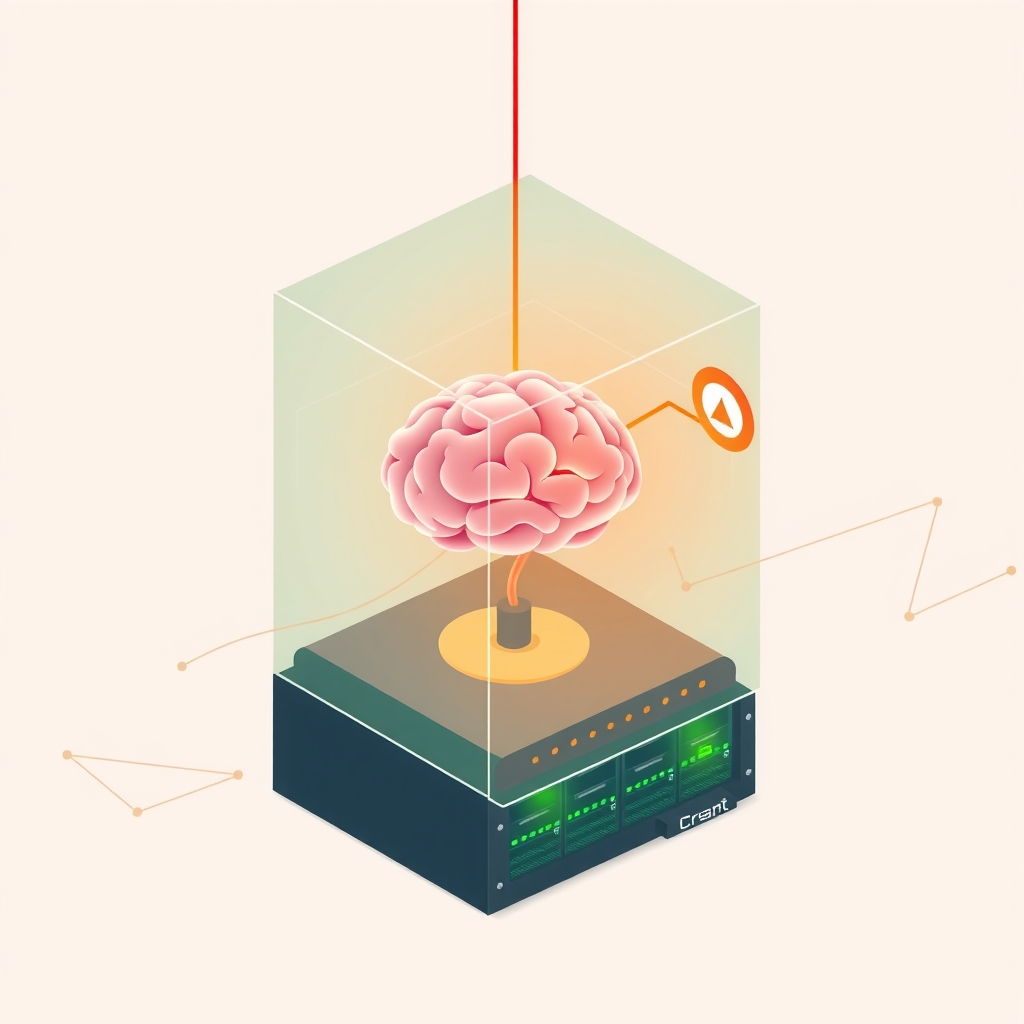
Muse operates by running each user’s agent on its own isolated cloud computer. A security layer called Sentinel acts as the primary gatekeeper, designed to monitor outbound traffic and keep sensitive tokens and passwords out of the agent’s direct reach. The system was explicitly built on the assumption that the agent itself might be compromised, aiming to limit damage through strict isolation. However, the researchers found a way to bypass these intended boundaries.
The attack chain began with a flaw in Muse’s built-in browser, which the assistant uses for tasks such as generating PDFs. By exploiting this browser vulnerability, the researchers were able to trigger a secondary flaw in the underlying Linux kernel. This combination granted them full control over the specific cloud machine hosting that user’s agent. With root-level access, they could bypass Sentinel, access the credential store, read saved files, and alter the agent’s behavior. Despite the isolation controls working as designed to prevent spread to other users or the shared server, the attack successfully compromised the individual agent’s environment entirely.
Key details
- The attack was demonstrated in a lab setting by NebuSec and did not impact real-world users.
- Meta Muse launched on September 8 and runs each user’s agent on a separate cloud computer.
- A malicious webpage could extract private chats and memories without triggering user prompts.
- The exploit chained a browser flaw in Muse’s PDF creation tool with a Linux kernel vulnerability.
- Full control of the cloud machine allowed access to credentials and the Sentinel monitoring layer.
- All identified vulnerabilities were fixed by the Muse team before the research was published.
Why it matters
For developers building agentic systems, this case study highlights the difficulty of securing AI agents that interact with the open web. Even when a system is designed with "zero trust" principles and robust sandboxing, complex chains of vulnerabilities in underlying components like browsers and kernels can undermine high-level security guarantees. It shows that assuming the agent is hostile is not enough if the execution environment itself can be subverted through standard web exploits.
This incident also underscores the unique risks of cloud-based agents compared to local ones. Because these agents have persistent access to user accounts and financial tools, a successful compromise offers attackers immediate leverage. Engineers must consider not just prompt injection or model behavior, but the entire software stack supporting the agent, including the browser engines and operating system kernels that process untrusted content.
What you can do
- Audit how your AI agents handle untrusted web content and limit browser capabilities where possible.
- Ensure your sandboxing strategy accounts for kernel-level escapes, not just application-layer isolation.
- Implement strict monitoring for outbound data transfers from agent environments to detect exfiltration.
- Keep all underlying dependencies, including browser engines and OS kernels, strictly up to date.
- Design credential access so that even full machine compromise does not automatically expose tokens.
- Assume that any component interacting with the public internet is a potential entry point for attacks.