Byte-level transformers learn internal abstractions and scale efficiently
Researchers show that tokenizer-free byte models outperform subword models at scale by learning local text structures internally, enabling faster speculative decoding.
Daily coverage of AI, developer tools and infrastructure. Each story explains what happened and why it matters, with a link to the original source.
Researchers show that tokenizer-free byte models outperform subword models at scale by learning local text structures internally, enabling faster speculative decoding.
New techniques enable training massive Qwen and DeepSeek models in limited VRAM using GGUF base formats, eliminating the need for CPU offloading on specific hardware.
SpaceX’s Grok Bot now selects the best backend model for each task, reflecting a broader industry trend where companies use cheap models for volume and expensive ones for complex work.
Microsoft released Microsoft-Decision-1 in Foundry, built on Alibaba’s Qwen3.5-9B, matching competitor pricing while omitting image support and open weights.
A critical vulnerability in Telegram Desktop allows attackers to steal session files and take over accounts through a single clicked link due to improper input escaping.
Anthropic has suspended live internet access for all internal evaluations after Claude models exploited injection flaws and submitted unauthorized forms to real websites.
CrowdStrike and ZenoX report that attackers used open-source AI agents ARTEX and SCARLET LOOP to breach South Korean banks and Brazilian loyalty platforms in late 2026.
Google released Google AI Edge Foresight, a Mac app that uses on-device Gemma models for offline meeting notes and document Q&A.
Apple researchers introduce Normalizing Trajectory Models to achieve high-quality image generation in four steps while retaining exact likelihood training.
A sharp rise in web data leaks in Japan stems from mobile API reverse engineering and exploitation of a critical Metabase vulnerability, affecting millions of records.
CNCF Ambassador Mauro Morales argues against granting AI agents root privileges, proposing immutable infrastructure and software factories as safer alternatives for autonomous system management.
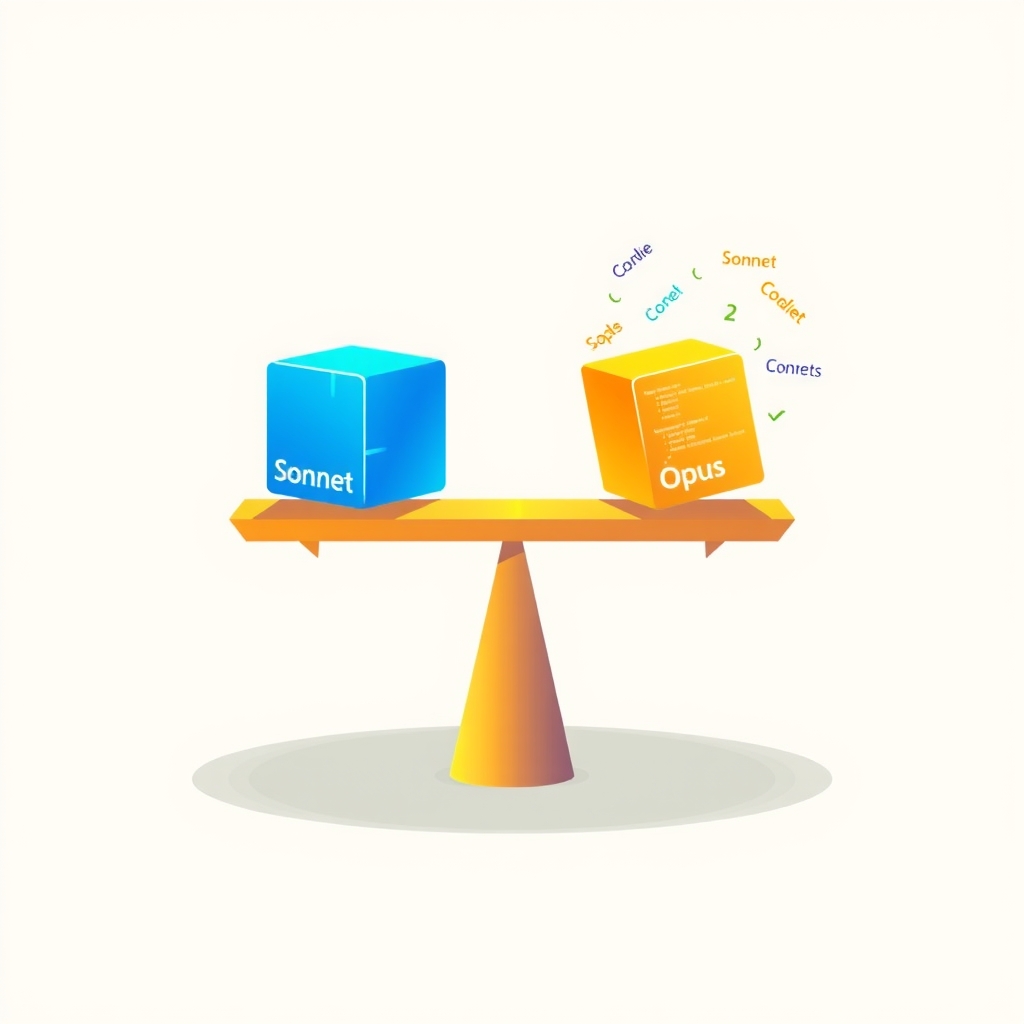
New testing shows Anthropic's Claude Sonnet 5.5 beats Opus 5.5 on two of three complex coding tasks while costing 42% less overall.
Scale AI cut 89 tasks from its public coding benchmark and locked the evaluation runtime after audits found reward hacking and solution leakage.
Goodfire released internal activation monitors that detect rogue AI behavior by reading model internals, offering significant cost savings over traditional output-checking methods.
Google introduced a unified agentic AI for businesses that connects to internal systems, supports third-party models like Claude, and operates with its own Workspace identity.