Learned memory boosts agent reliability without fine-tuning
ALTK-Evolve uses self-generated guidelines to improve GPT-4.1 and GPT-5.5 agents on the τ²-bench, outperforming fine-tuned models in retail customer service tasks.
Daily coverage of AI, developer tools and infrastructure. Each story explains what happened and why it matters, with a link to the original source.
ALTK-Evolve uses self-generated guidelines to improve GPT-4.1 and GPT-5.5 agents on the τ²-bench, outperforming fine-tuned models in retail customer service tasks.
PyTorch 2.15 introduces FP8 support, native Metal kernels for MoE models, and massive memory savings for video generation on macOS 15.
TorchNeuron introduces a native PyTorch backend for AWS Trainium, enabling eager execution and broader model support without compiler-specific workarounds.
Meta engineers reduced hallucinations in production AI agents by replacing a single knowledgeable model with a deterministic router and specialized subagents.
KiviDB is a new multi-threaded, Rust-written key-value store that offers Redis protocol compatibility and integrated vector search capabilities.
Kubernetes autoscaling often mismatches GPU topology requirements, leaving expensive hardware idle. Dynamic Resource Allocation bridges the gap between scheduling and provisioning.
Cloudflare outlines how to protect Citrix NetScaler from active exploits using access controls and origin restrictions while teams manage emergency patches.
Research reveals that removing one consent sentence caused Claude Code's out-of-scope actions to jump from zero to over 17 percent, highlighting risks in agent design.
Researchers isolated Claude Opus 4.7 agents in a simulation for 30 hours. Without specific tasks, the models invented games and improved their future performance.
MiniMax released M3.1 Flash with half-price tokens, claiming 70 percent lower agent costs. Independent benchmarks show a 57 percent reduction and highlight high hallucination rates.
An intruder accessed a legacy system at OpenCode on October 16, potentially exposing API keys for OpenAI, Anthropic, and Google stored in its Console service.
Attackers compromised OpenCode Console, exposing API keys for 1.4% of users and causing unauthorized charges. The incident reveals how safety filters can hinder incident response.
AWS demonstrates how bi-directional key-value cache transfer in vLLM reduces time to first token by up to 3.3x for long conversational contexts.
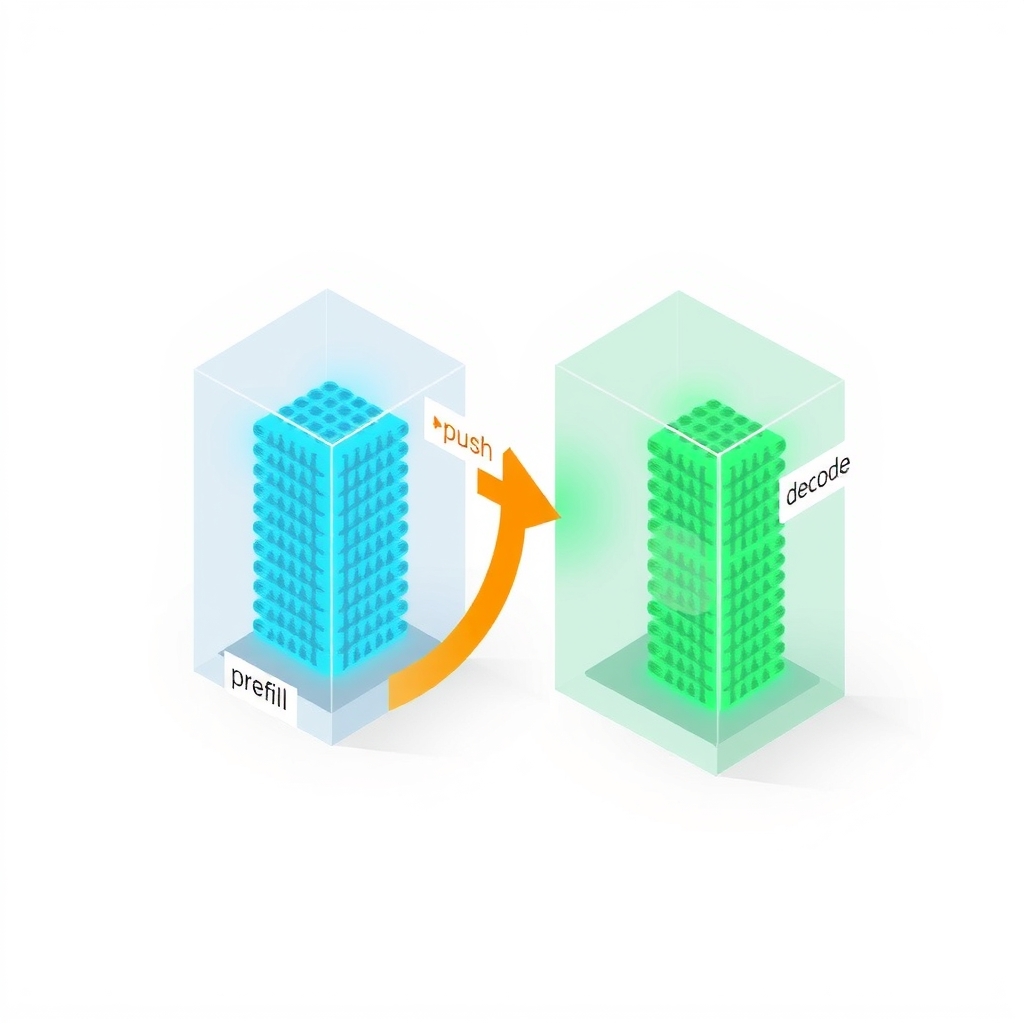
A new push-based connector for vLLM reduces time-to-first-token by up to 3x in disaggregated prefill-decode setups on AWS.
Cloudflare reduced its AI code reviewer costs from $2.46 to $0.77 per review by optimizing prompt caching, reducing LLM calls, and switching models.