Fixing Kubernetes scheduling for distributed AI training workloads
Kubernetes default scheduling fails distributed AI jobs. Topology-aware placement and gang scheduling via Kueue and Coscheduling solve latency and synchronization issues.
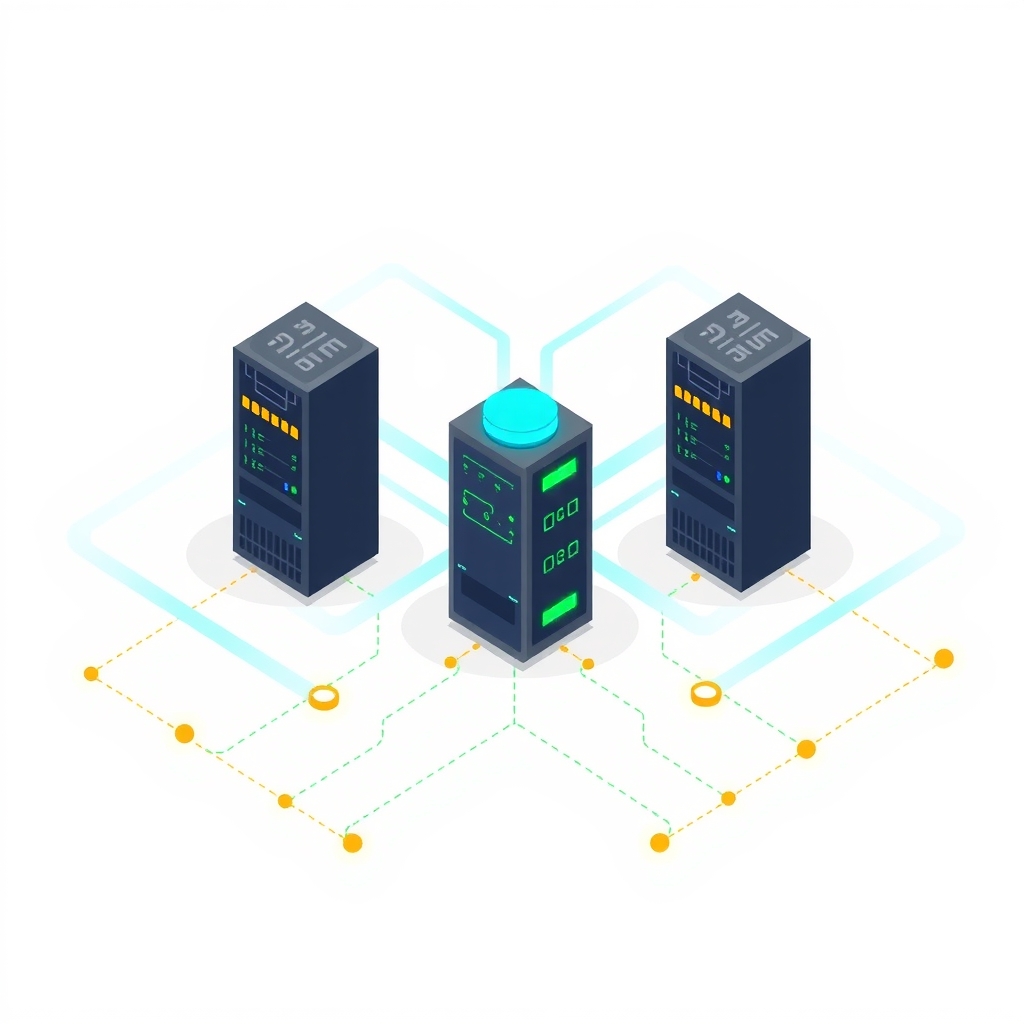
Distributed AI training places unique demands on cluster infrastructure that standard Kubernetes scheduling cannot meet. As of November 2026, the Cloud Native Computing Foundation highlights how topology-aware scheduling and gang scheduling address these gaps. These mechanisms ensure GPUs communicate efficiently and jobs start simultaneously, preventing wasted capacity.
What happened
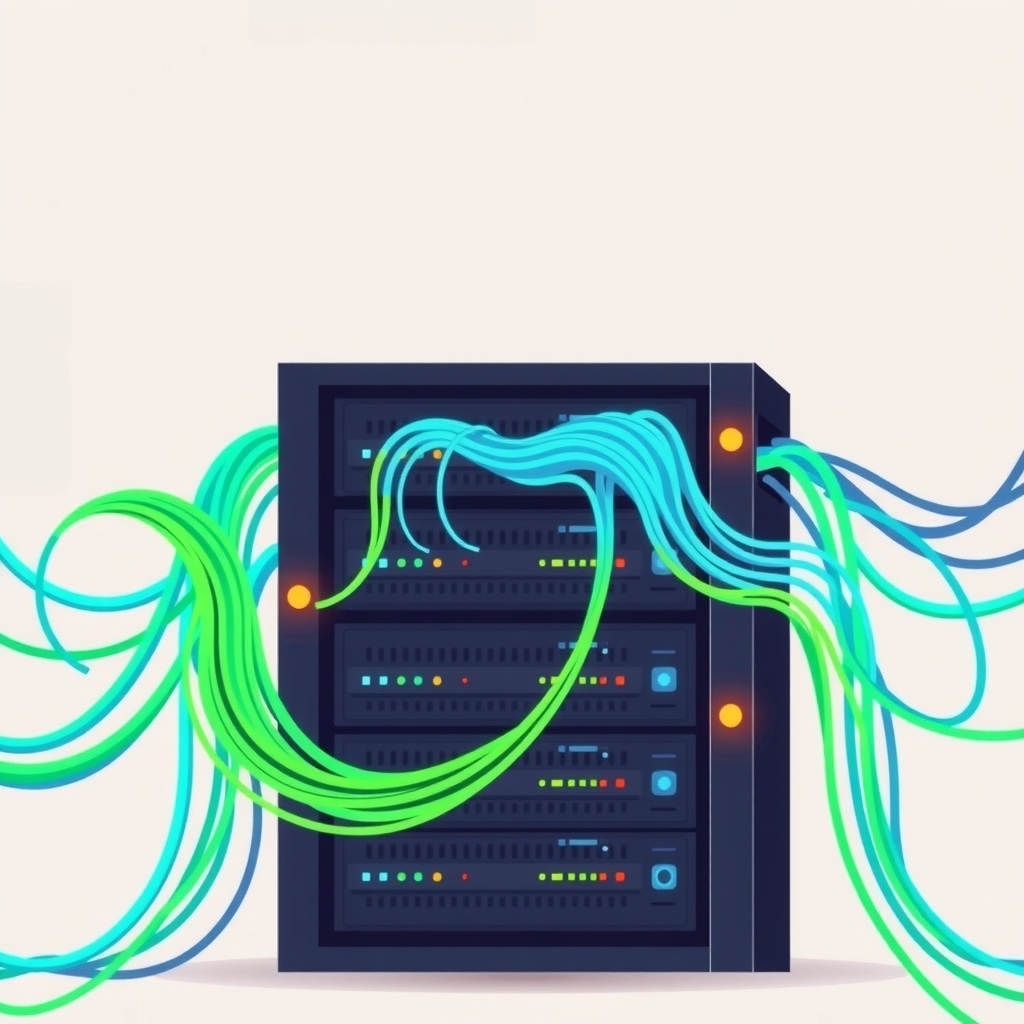
Standard Kubernetes schedulers treat pods as independent units, placing them one by one on any available node. This approach works for typical web services but fails for distributed AI training, where pods are tightly coupled. If a single pod in a training job is delayed or placed on a distant node, the entire job suffers from high latency or stalls completely. The result is hardware that appears busy but delivers poor training throughput.
To solve this, the ecosystem has adopted two complementary strategies: topology-aware scheduling (TAS) and gang scheduling. TAS ensures that pods land on hardware with optimal inter-GPU bandwidth, such as within the same rack or node. Gang scheduling ensures that all pods in a job start at the same time, preventing scenarios where some GPUs sit idle while waiting for others to become ready. These features are implemented through tools like Kueue and the Coscheduling plugin.
Kueue acts as a gatekeeper above the standard kube-scheduler. It evaluates jobs based on quota, priority, and topology constraints before they reach the scheduler. By grouping nodes into domains like host, rack, or block, Kueue restricts placement to areas that meet bandwidth requirements. This prevents the scheduler from scattering workers across high-latency network links, which would severely degrade performance for large-scale model training.
How it works
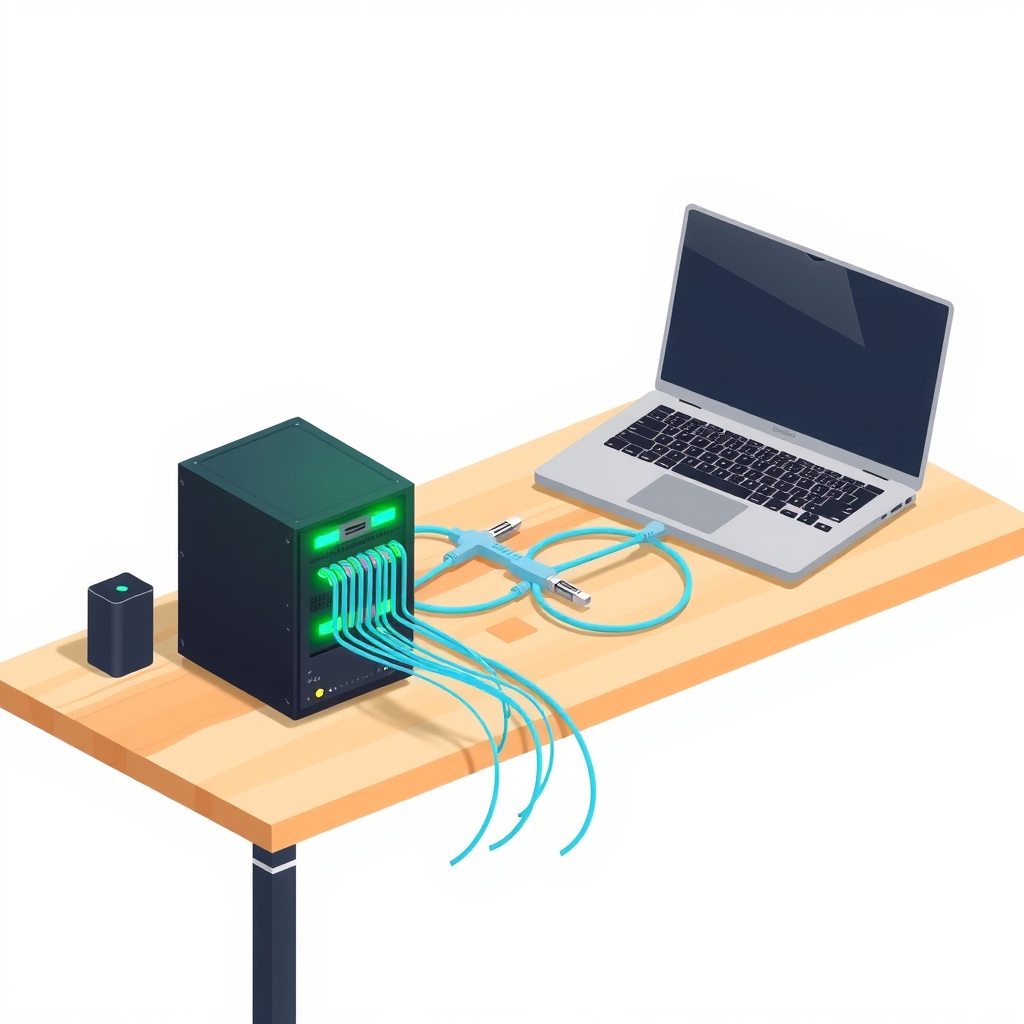
Topology-aware scheduling relies on labels applied to nodes, such as topology.kubernetes.io/rack. Kueue uses these labels to group nodes into domains. When a job is submitted, Kueue checks if a single domain can satisfy the job’s resource needs. If so, it writes constraints into the pod templates, forcing the Kubernetes scheduler to place all pods within that specific domain. This keeps communication traffic local, using high-speed interconnects like NVLink or InfiniBand rather than slower cross-rack networks.
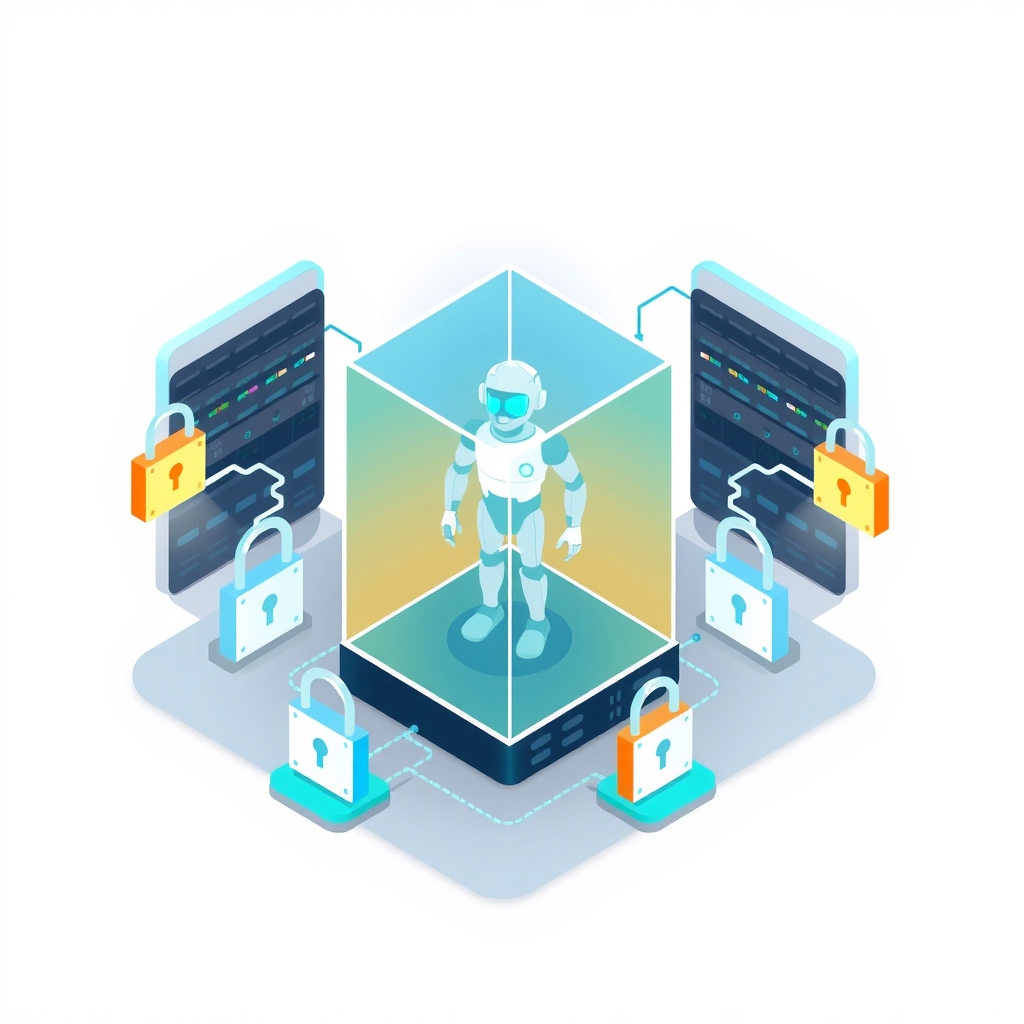
Gang scheduling addresses the synchronization problem. It uses a custom resource called a PodGroup to track a set of related pods. The scheduler holds all pods in a waiting state until the minimum number of required pods (spec.minMember) can be scheduled simultaneously. If the full gang cannot be placed, none of the pods start. This prevents partial starts where allocated resources remain idle, ensuring that GPU capacity is used effectively only when the entire job can proceed.
Key details
- Independent vs. Coupled: Standard scheduling places pods independently; AI training requires coordinated placement for low-latency communication.
- Topology Domains: Nodes are grouped by labels into domains like host, rack, or block to define bandwidth boundaries.
- Kueue Role: Kueue admits jobs based on quota and topology, writing placement constraints before the standard scheduler acts.
- Gang Coordination: Coscheduling uses PodGroups to ensure all required pods start together, avoiding partial resource allocation.
- Latency Impact: Cross-rack communication introduces significant latency, reducing effective GPU utilization in large-scale training.
- Validation Metrics: Key metrics include
kueue_pending_workloads,kueue_admission_wait_time_seconds, and PodGroup status phases.
Why it matters
For engineering teams building AI infrastructure, inefficient scheduling directly translates to higher costs and slower model development. When training jobs run slowly due to poor placement, organizations pay for GPU hours that do not contribute to meaningful computation. Infrastructure metrics may show high utilization, masking the fact that the hardware is bottlenecked by network latency rather than compute limits. Implementing TAS and gang scheduling ensures that expensive GPU resources deliver maximum throughput.
Furthermore, operational reliability improves when jobs are scheduled as cohesive units. Partial starts can lead to complex debugging scenarios where some workers fail or timeout while others wait. By enforcing simultaneous starts and localized placement, teams reduce the surface area for failure. This predictability is crucial for large-scale pretraining jobs where a single step’s delay compounds across thousands of iterations, affecting overall project timelines.
What you can do
- Label Nodes: Apply topology labels like
topology.kubernetes.io/rackto your GPU nodes to enable domain-aware placement. - Deploy Kueue: Install Kueue to manage job admission and enforce topology constraints before scheduling.
- Configure PodGroups: Use the Coscheduling plugin to define PodGroups for your training jobs, setting
spec.minMembercorrectly. - Monitor Admission: Track
kueue_pending_workloadsto identify jobs stuck in the queue due to quota or topology issues. - Validate Placement: Inspect
status.admission.podSetAssignmentsin Kueue Workload objects to confirm pods are in the correct domain. - Check Throughput: Correlate scheduling metrics with training throughput to ensure placement improvements translate to performance gains.