Engineers are shifting from coding to designing agent workflows
As AI agents generate over 40% of pull requests, software engineers must transition into process engineers who design the systems that build, test, and ship code.
The fundamental assumption of software development has shifted. For decades, the industry optimized for human coders, but by September 2026, more than 40% of GitHub pull requests began with an agent’s first draft. This rapid adoption of generative AI has moved the bottleneck from writing code to shipping it, forcing a structural change in how engineering teams operate.
What happened
Work is moving to machines, but the processes surrounding that work have not kept pace. CircleCI’s 2026 delivery data reveals that average daily workflow runs grew 59% year over year, with the top 5% of teams seeing a 97% increase. In contrast, the bottom quartile showed no measurable improvement. A study of one company that mandated doubling pull request output found that reviewer load doubled, and automated review quickly overtook human review in coverage.
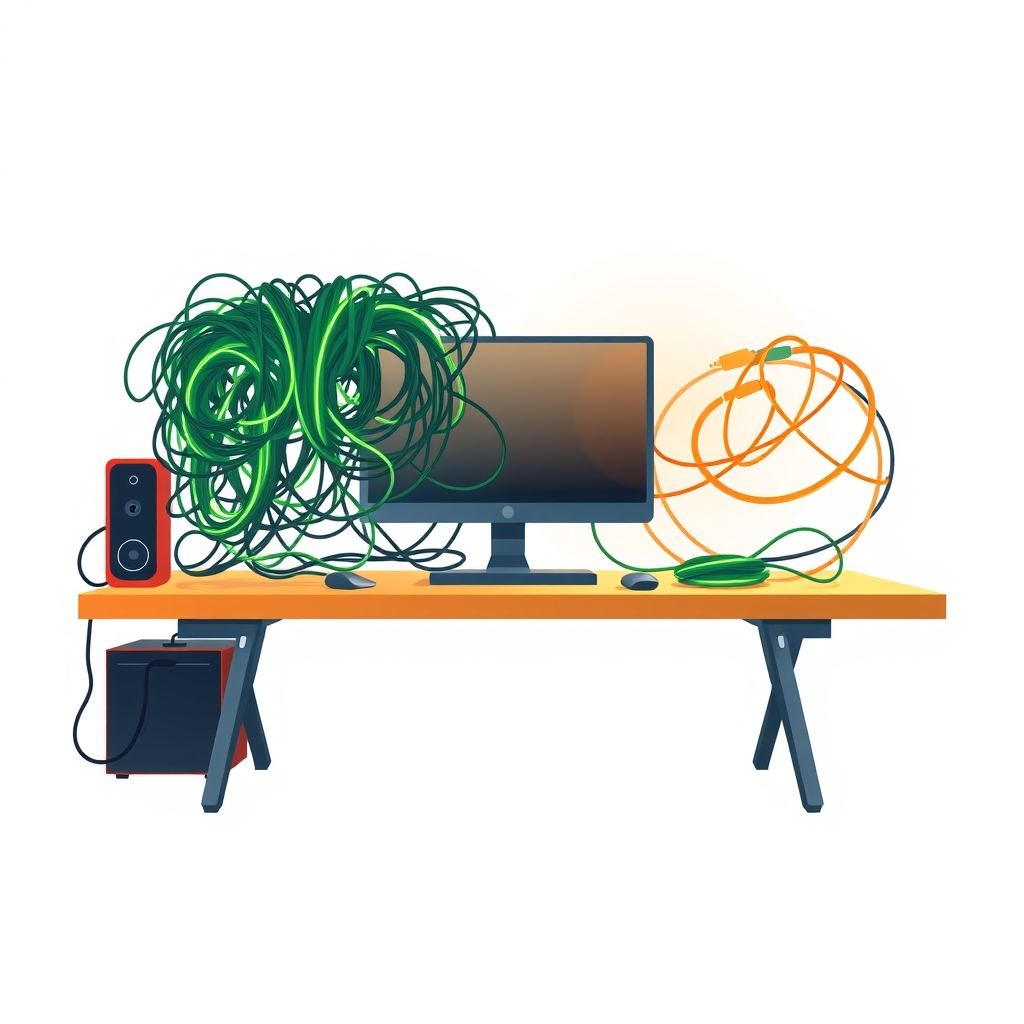
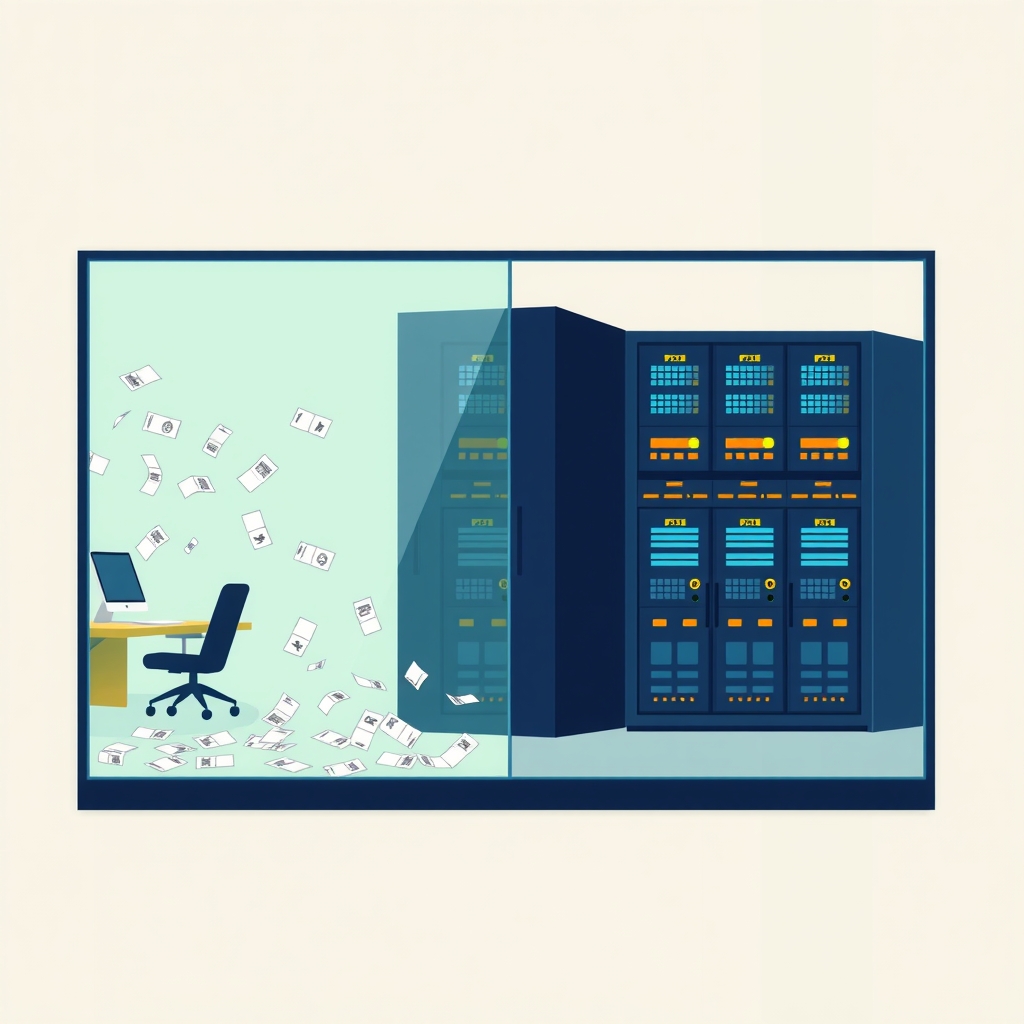
This surge in volume exposes the limitations of traditional sprint and release models. When work gets automated, people do not disappear; they stop doing the manual work and start designing the system the work runs through. Software engineers are becoming process engineers, responsible for building a "software factory" where agents handle execution while humans define the rules, constraints, and quality standards.
How it works
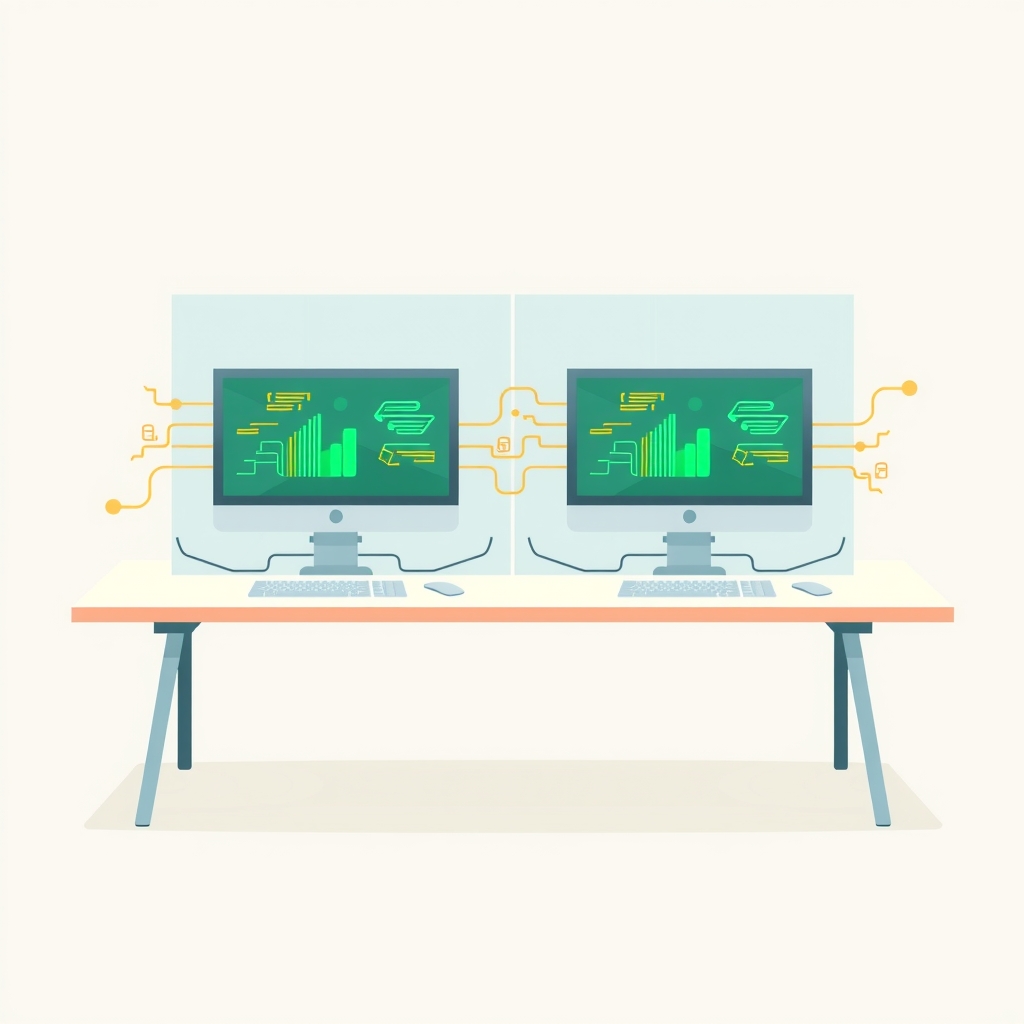
A software factory operates as a network of specialized agents, each handling a specific stage of the lifecycle. A research agent converts customer data into briefs, a spec agent writes requirements, and a coding agent generates the change. Subsequent agents handle review, testing, and release behind feature flags. Unlike human handoffs, which rely on shared context, agent-to-agent handoffs require strict contracts defining input shapes, acceptance criteria, and proof of correctness.
Quality control shifts from end-of-line inspection to built-in verification at every step. Inspired by manufacturing principles like Sakichi Toyoda’s automatic loom, which stopped when a thread broke, modern pipelines must check every change immediately. This requires ephemeral environments that mimic production, allowing test agents to verify changes against real services rather than mocks. If a check fails, the line stops, and the coding agent attempts a fix before the change proceeds.
Guardrails replace prompts as the primary safety mechanism. Instead of relying on instructions that agents might ignore, the system enforces permission boundaries and isolation. Each agent holds only the access necessary for its station, preventing a coding agent from accessing production credentials. Trust does not cascade down the chain; a review agent’s approval does not expand the release agent’s permissions, ensuring that errors do not compound across stages.
Key details
- By September 2026, over 40% of GitHub pull requests started with an agent’s first draft, up from 17% in March.
- CircleCI data shows a 59% year-over-year growth in daily workflow runs, with top teams increasing by 97%.
- Agent handoffs require explicit contracts, including acceptance criteria and test evidence, rather than informal context.
- Quality assurance moves from final human inspection to automated, per-change verification in production-like environments.
- Human gates are reserved for high-judgment decisions, such as security boundaries and product strategy, not routine code review.
- Every escaped defect is treated as a process bug, requiring analysis of why the system allowed it through rather than blaming the agent.
Why it matters
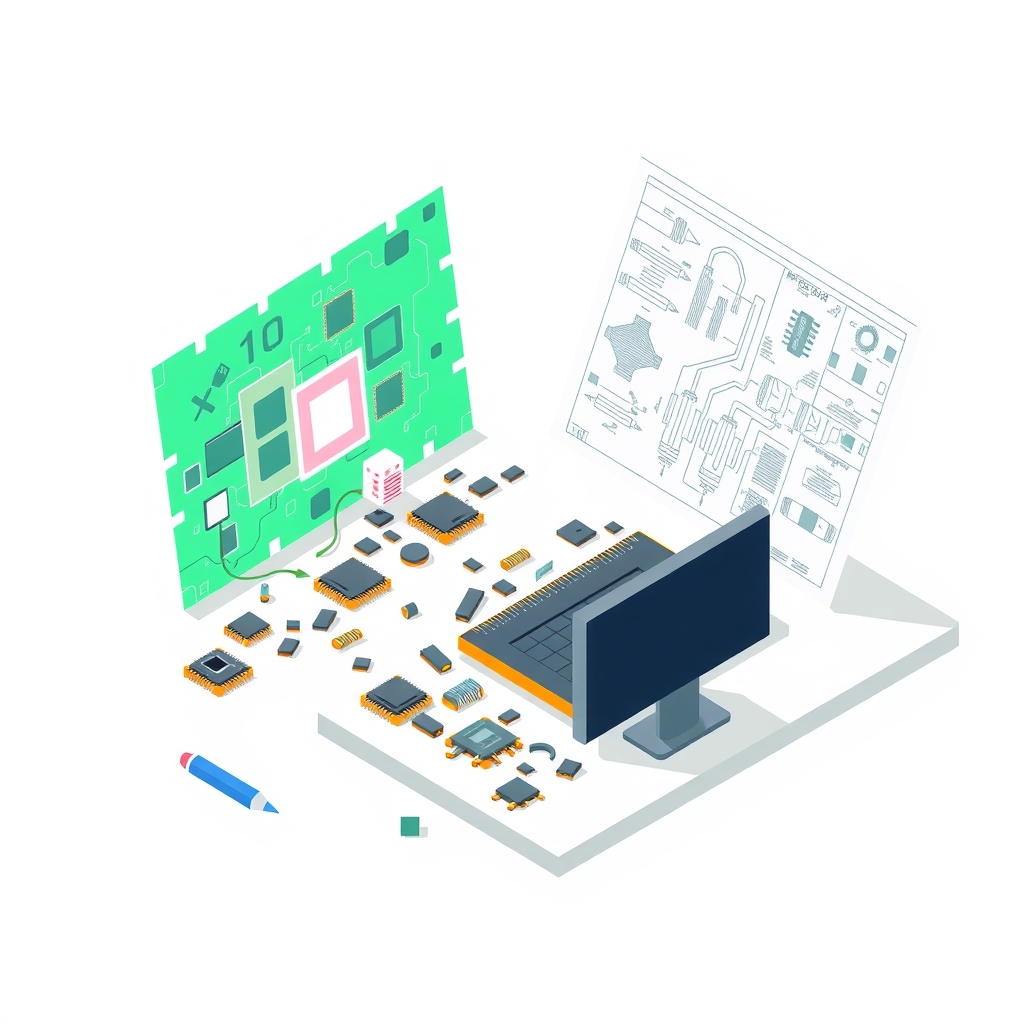
For developers, this shift means the job description is changing from writing syntax to designing flow. Engineers must define what "good" looks like in machine-readable terms, such as performance budgets and API contracts. The value lies in constructing a resilient system where agents can operate safely and efficiently. This is more technical, not less, as it requires deep understanding of how code interacts with infrastructure and where failures occur.
Teams that fail to adapt will face bottlenecks in review and verification. Simply adding more agents without redesigning the pipeline leads to piled-up work and compounded errors. The competitive advantage no longer comes from the model used to generate code, but from the efficiency and reliability of the software factory built around it. Engineers who master process design will determine which teams can scale velocity without sacrificing stability.
What you can do
- Map your current delivery pipeline and identify the slowest step, which is likely review or verification.
- Define explicit acceptance criteria and API contracts for agent handoffs to reduce ambiguity.
- Replace end-of-line staging with ephemeral, production-like environments for every pull request.
- Implement strict permission boundaries for each agent, ensuring least-privilege access at every station.
- Shift human review to high-judgment areas like architecture decisions and user experience nuances.
- Treat every escaped bug as a failure of the process, not the agent, and adjust checks accordingly.