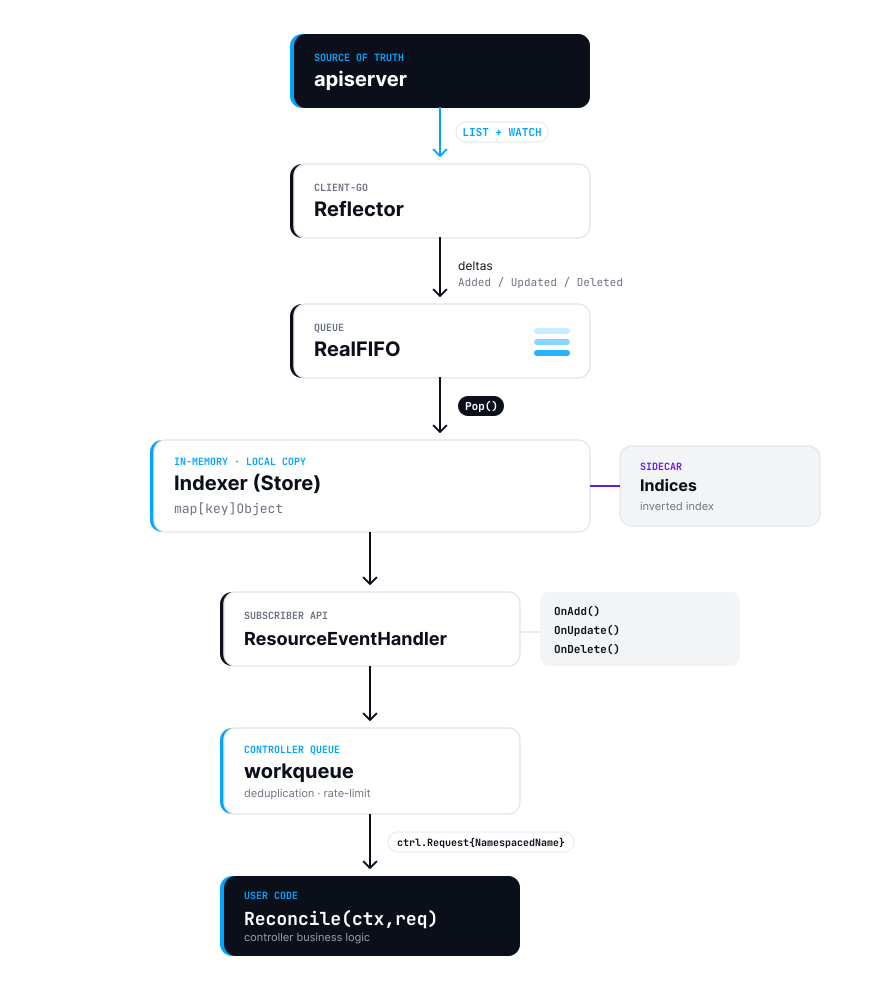
How controller-runtime cache prevents API server overload
A deep dive into the list-watch pattern and local caching in Kubernetes controllers, explaining why reads are cheap but consistency is eventual.
Daily coverage of AI, developer tools and infrastructure. Each story explains what happened and why it matters, with a link to the original source.
A deep dive into the list-watch pattern and local caching in Kubernetes controllers, explaining why reads are cheap but consistency is eventual.
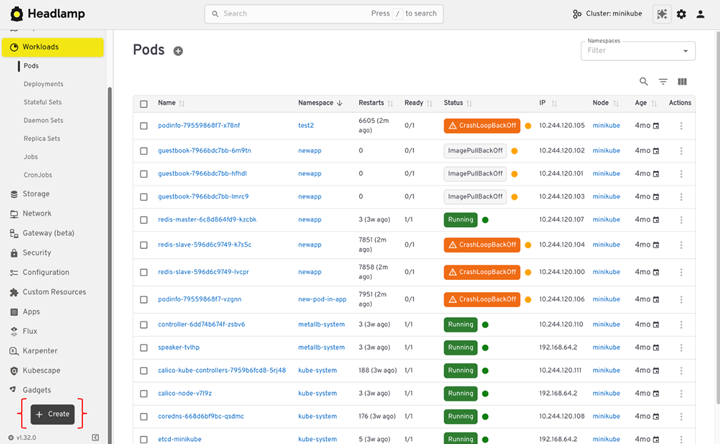
A 2026 guide details how to replace Kubernetes Dashboard with Headlamp, shifting from form-based deployments to YAML-driven workflows and multi-cluster management.
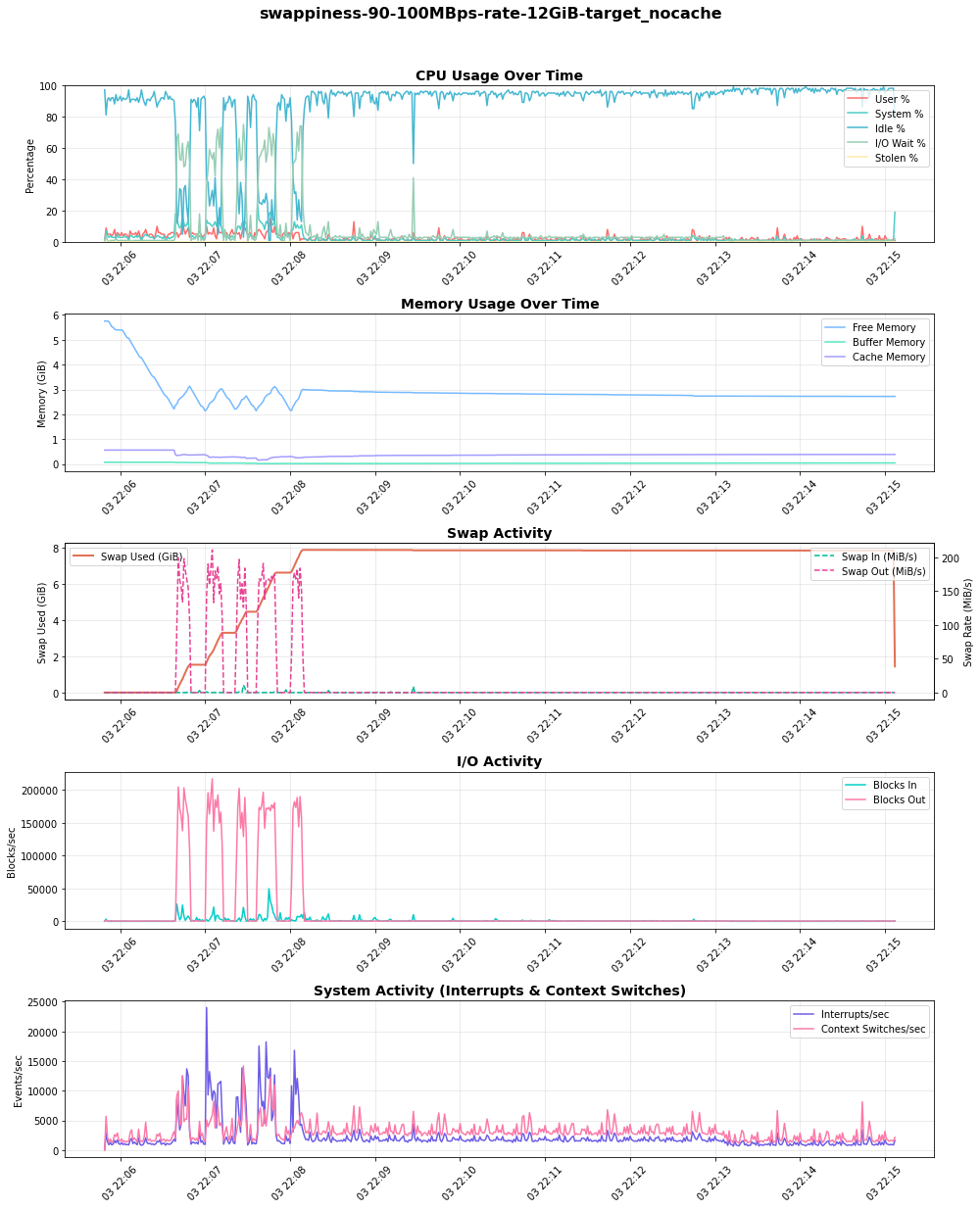
A deep dive into kernel parameters like swappiness and watermarks reveals how to safely enable swap in Kubernetes v1.34 without triggering OOM kills.
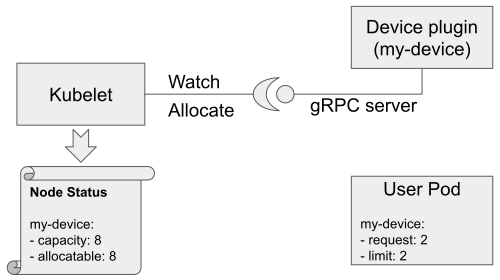
Kubernetes lacks native support for partial device failures, forcing engineers to build custom remediation logic for expensive AI and ML training jobs.
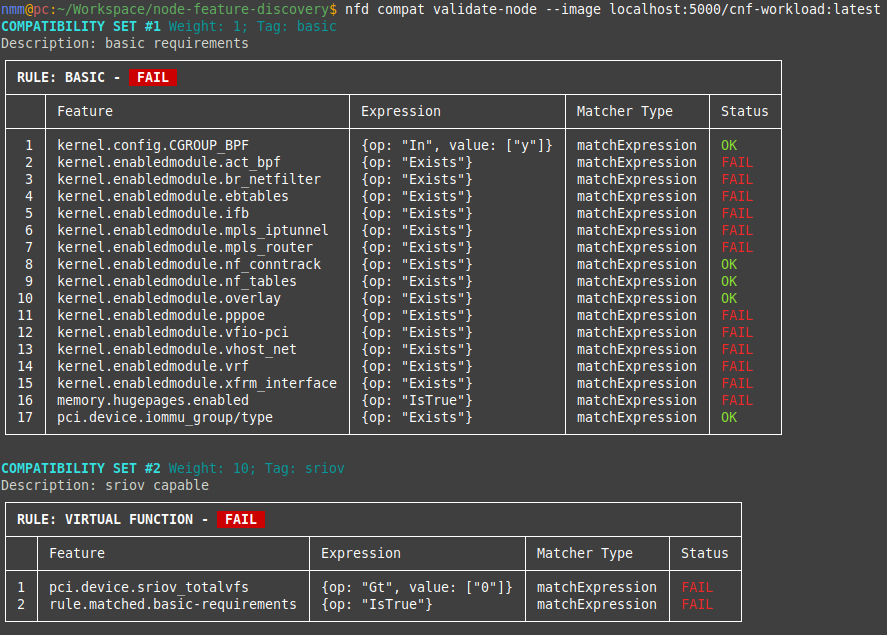
A new specification allows container images to declare host OS and hardware requirements, enabling automated validation before scheduling in Kubernetes clusters.
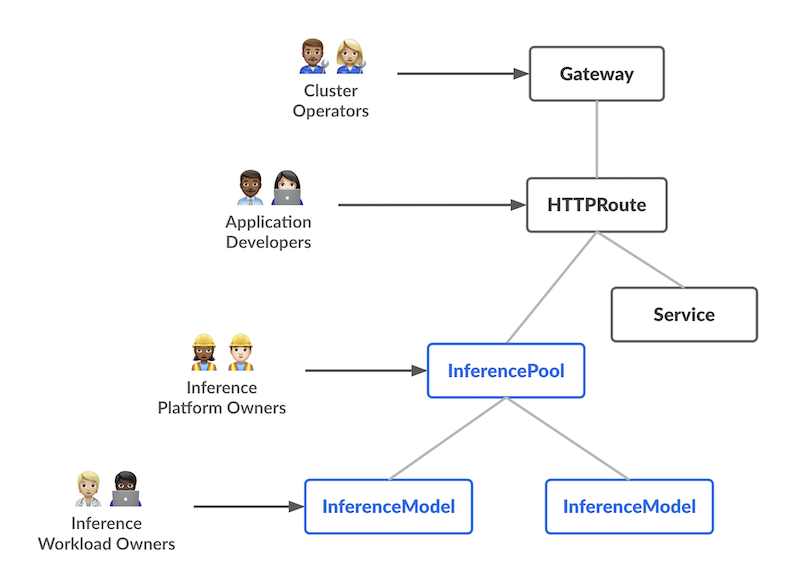
The Kubernetes project released the Gateway API Inference Extension to standardize routing for generative AI workloads, reducing latency and improving GPU utilization.
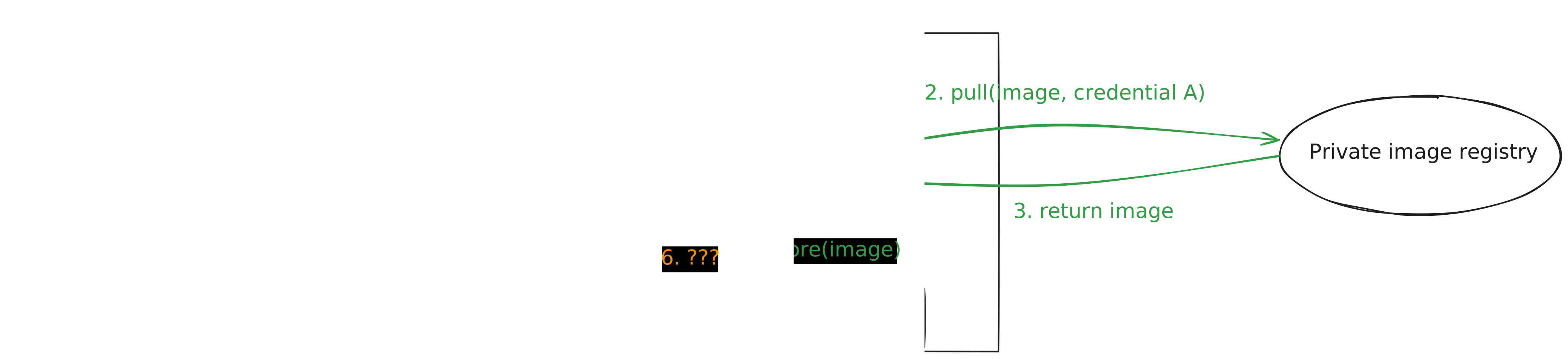
Kubernetes v1.33 introduces a new verification mechanism to prevent unauthorized pods from reusing private container images already present on a node.
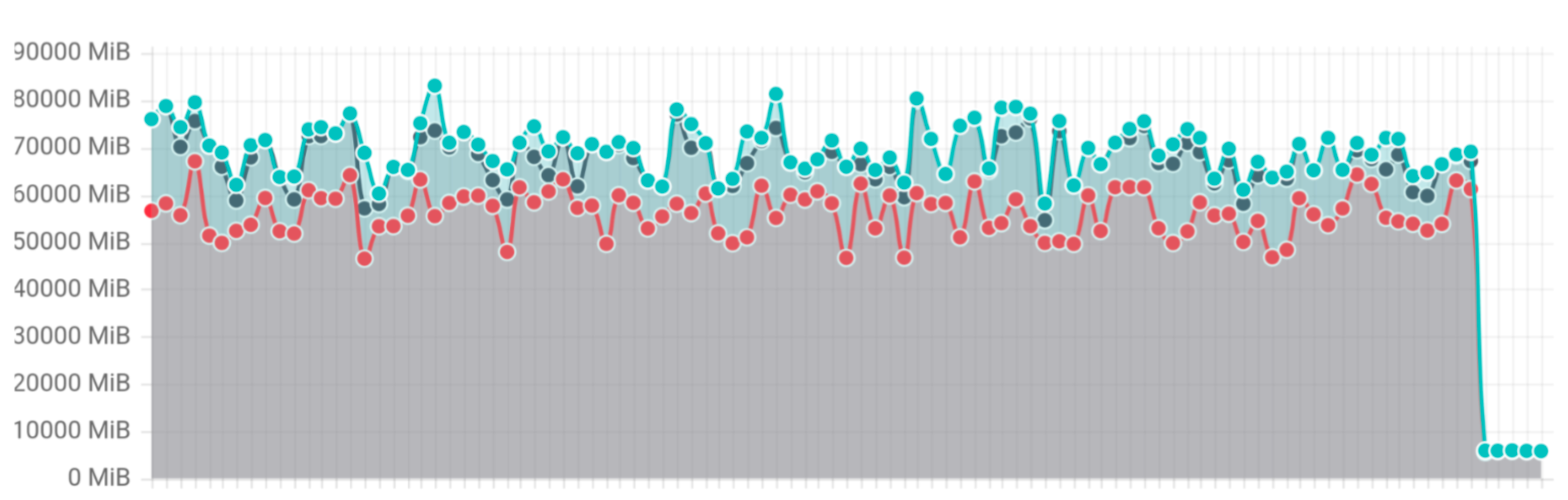
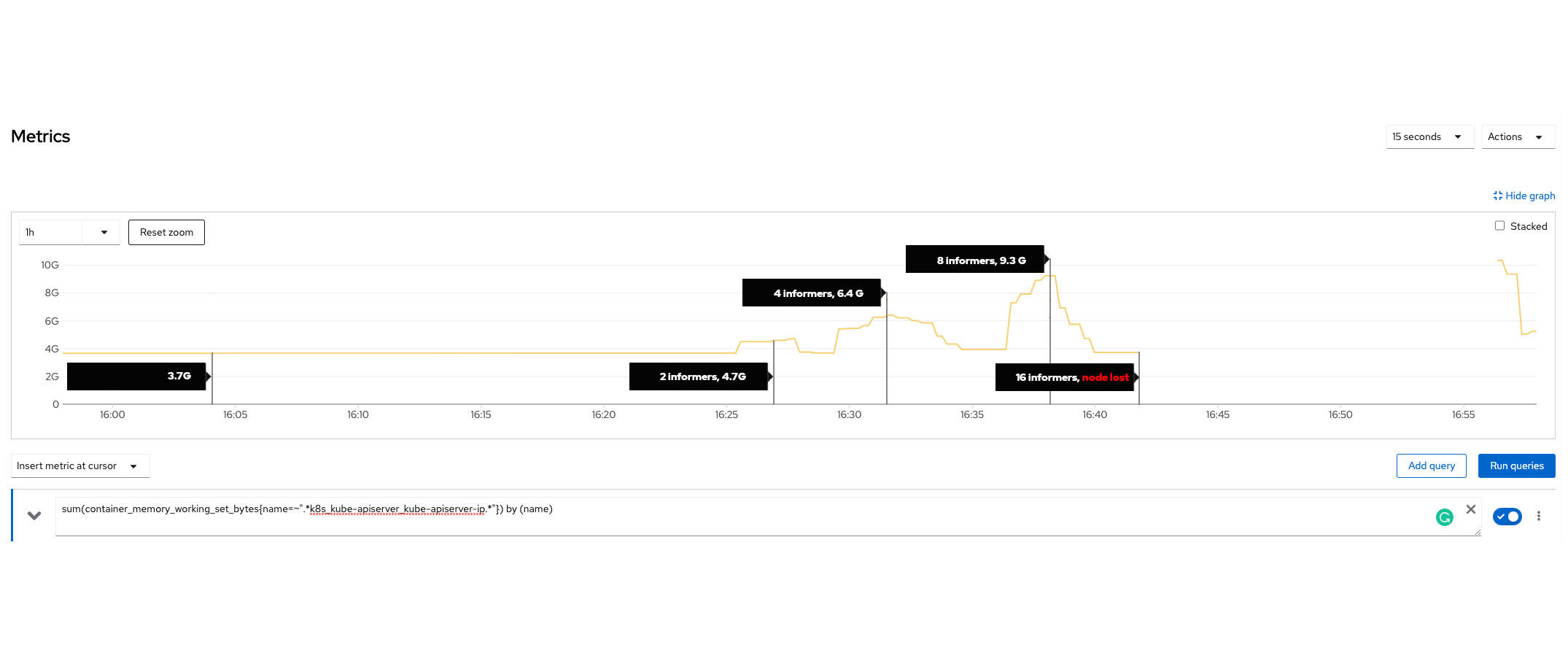
Kubernetes v1.33 adds streaming encoding for List responses, reducing kube-apiserver memory usage by up to 20x during large dataset fetches and improving cluster stability.
Kubernetes v1.33 enables Linux user namespaces by default, allowing pods to run as root internally while remaining unprivileged on the host.
Kubernetes 1.32 graduates watch lists to beta, allowing clients to stream large resource collections and prevent API server out-of-memory crashes.
Kubernetes v1.32 re-enables the QueueingHint feature by default, allowing plugins to precisely determine when unschedulable pods should be retried, reducing wasted scheduler cycles.
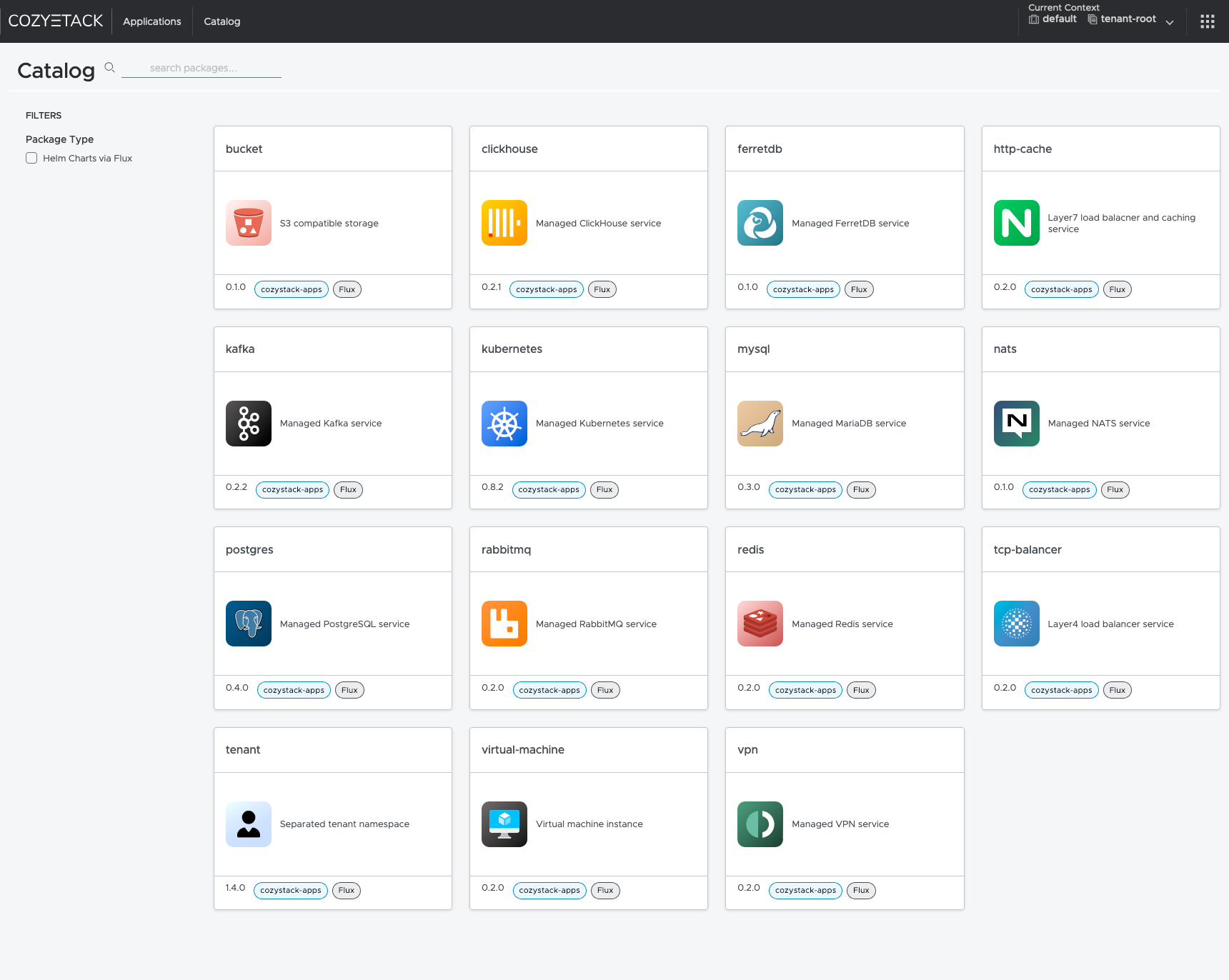
Cozystack engineers explain how they used the Kubernetes API aggregation layer to create dynamic, imperative endpoints and bypass etcd storage limitations.
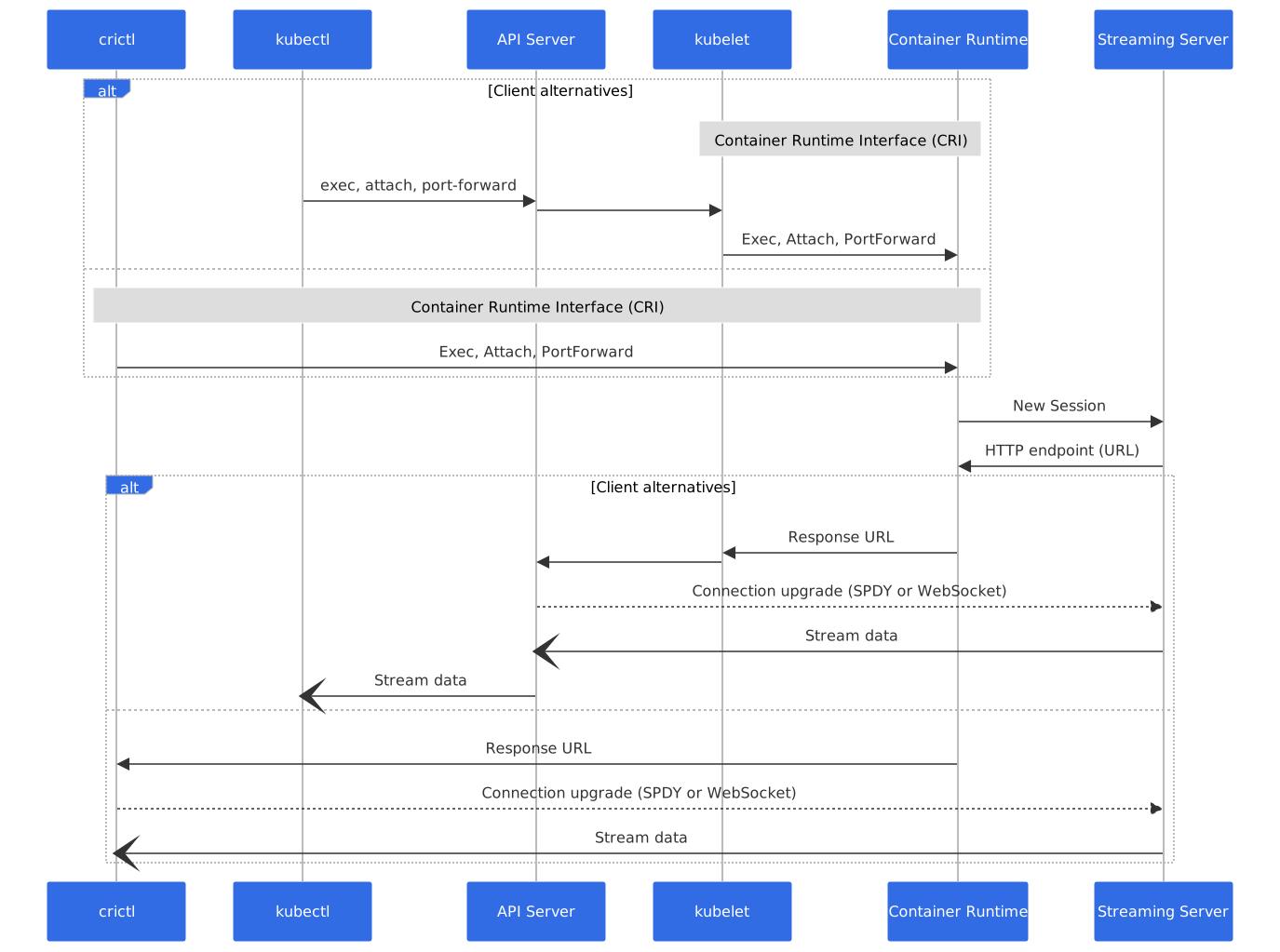
A 2024 deep dive explains the unique URL-based streaming architecture behind Kubernetes Container Runtime Interface commands.
A technical guide details how to construct a self-hosted cloud platform using Kubernetes, Talos Linux, and GitOps tools to manage bare metal infrastructure.
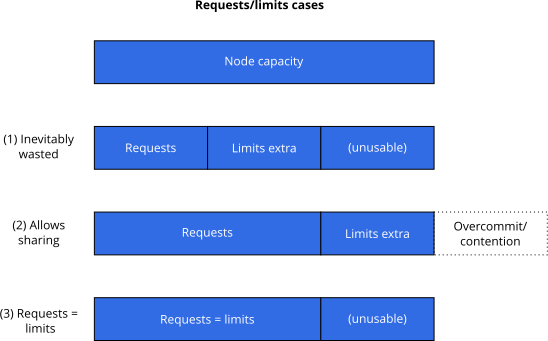
A 2023 analysis argues that setting CPU and memory limits in Kubernetes improves performance predictability, even if it reduces raw cluster efficiency.