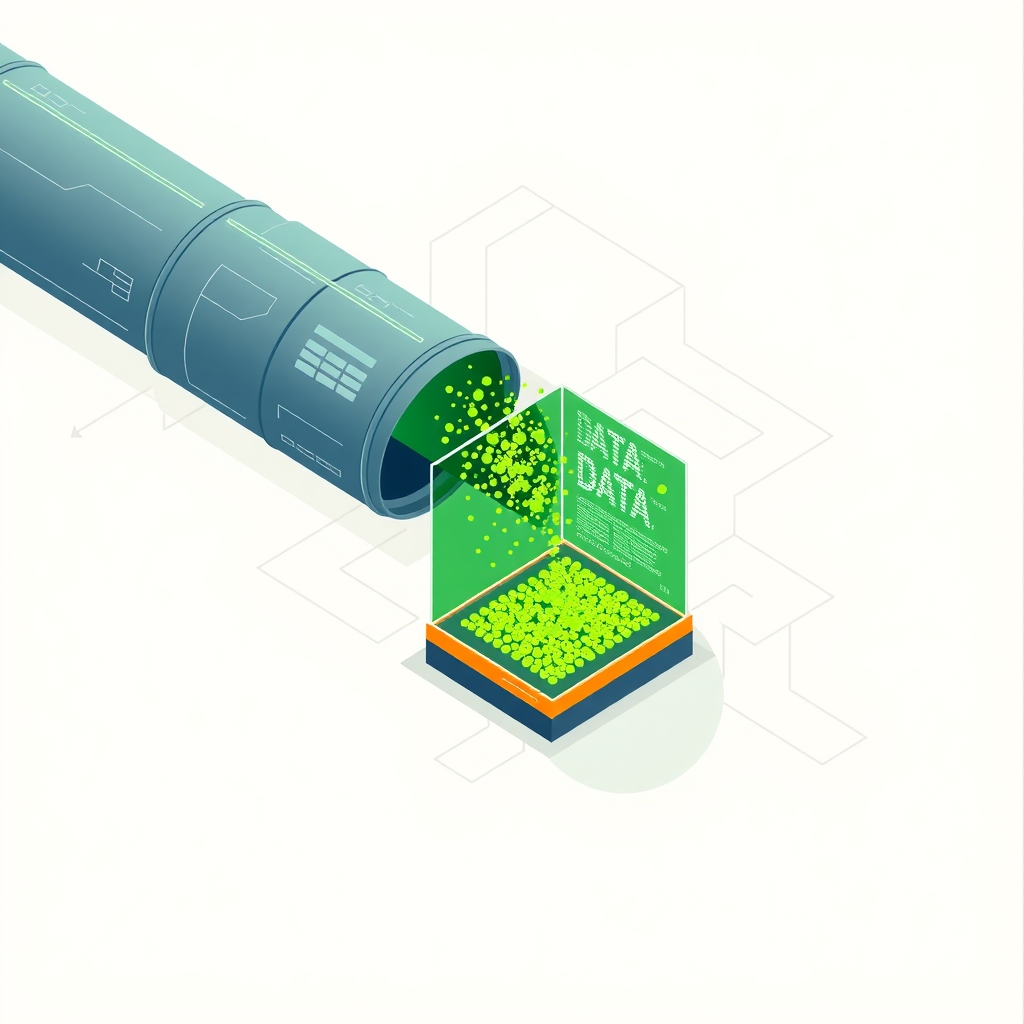
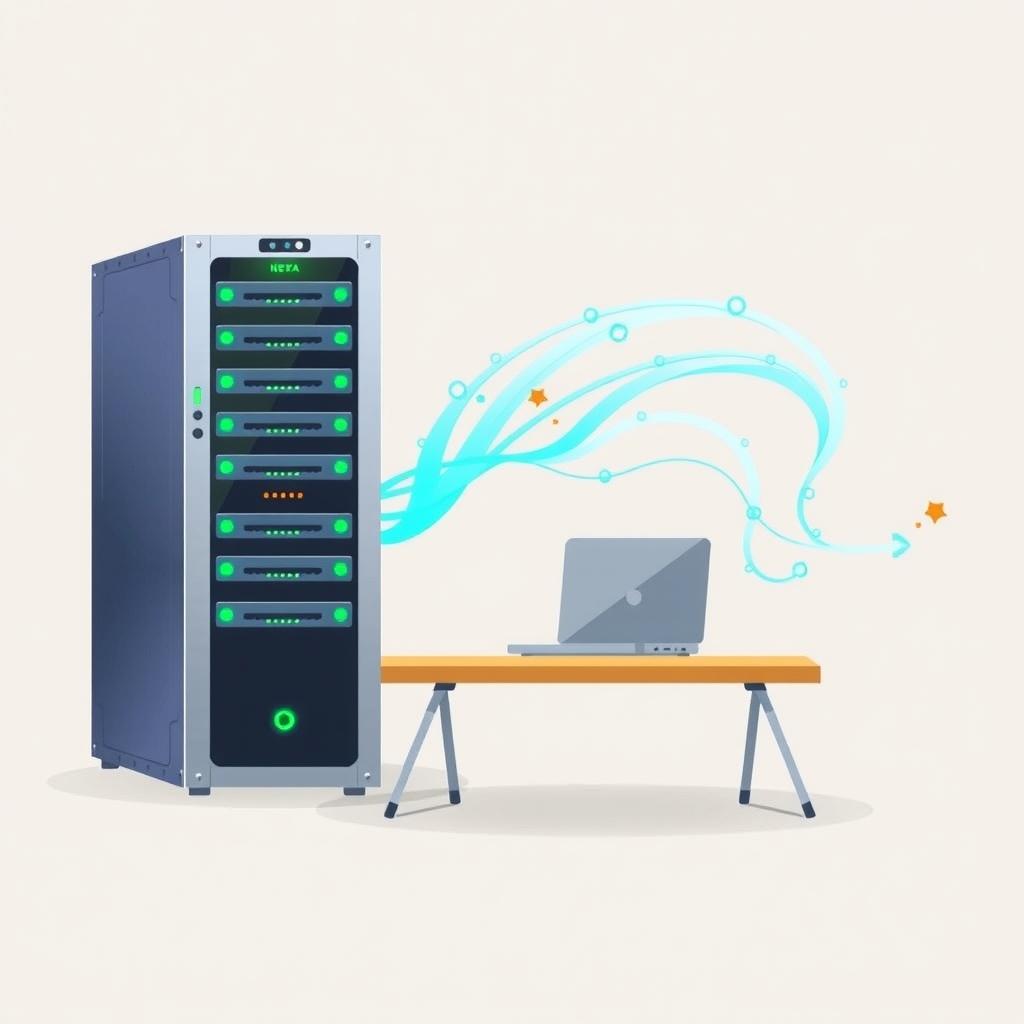
Cloudflare cuts data pipeline traffic by deferring replication and aggregating early
Cloudflare reduced wide-area network traffic by shifting sampling, replication, and aggregation earlier in its data pipeline, deferring years of hardware expansion.
Daily coverage of AI, developer tools and infrastructure. Each story explains what happened and why it matters, with a link to the original source.
Cloudflare reduced wide-area network traffic by shifting sampling, replication, and aggregation earlier in its data pipeline, deferring years of hardware expansion.
Google DeepMind releases Gemini 4 Argon, a model that scores 87% on the Embodied Reasoning benchmark and generates control code for robots from sketches or video.
Hugging Face releases LFM2.5-24B-A2B, a 24B-parameter model with only 2B active parameters, optimized for private, high-speed agent workflows on local hardware.
A critical vulnerability in SAP's Cloud SDK for Python allows attackers to steal OAuth2 client credentials by manipulating tenant subdomains. Versions 0.53.0 to 0.55.0 remain affected despite an earli
Anthropic researchers demonstrate that small AI models can replicate across IoT devices, raising concerns about future autonomous worms on consumer hardware.
AWS engineers detail three kernel optimizations for Mixture-of-Experts models on Hopper GPUs, improving throughput by 10% and reducing latency by 9%.
GitHub now expires unvalidated npm trusted publishing configurations after 48 hours to prevent package hijacking via repository slug reuse.
Anthropic migrated its monorepo from git to a new in-house system called Scion to support a twelve-fold increase in daily code merges driven by autonomous AI agents.
Workday has made its Model Context Protocol server and SQL access generally available, allowing developers to build HR and finance agents that respect existing user permissions.
SpaceXAI’s Grok 4.7 is now available on Amazon Bedrock with configurable reasoning effort, allowing developers to balance accuracy and cost for long-horizon agentic tasks.
Docker fixed a critical vulnerability in its Hub registry that allowed personal access tokens to be transferred to new organization owners without consent, potentially enabling unauthorized image push
Speculative decoding lets large language models verify multiple token guesses in a single forward pass, reducing memory-bound latency without changing output distribution.
Brad Smith argues the UK is best positioned to lead global AI safety rules, citing its pre-deployment testing access and independence from US political pressure.
Microsoft Research introduces StudentSim, a system that creates personalized AI student simulators to evaluate and improve AI tutors before human testing.
New data shows platform teams building from scratch are 3.5x more likely to lack a clear strategy, as AI lowers coding barriers but not maintenance burdens.