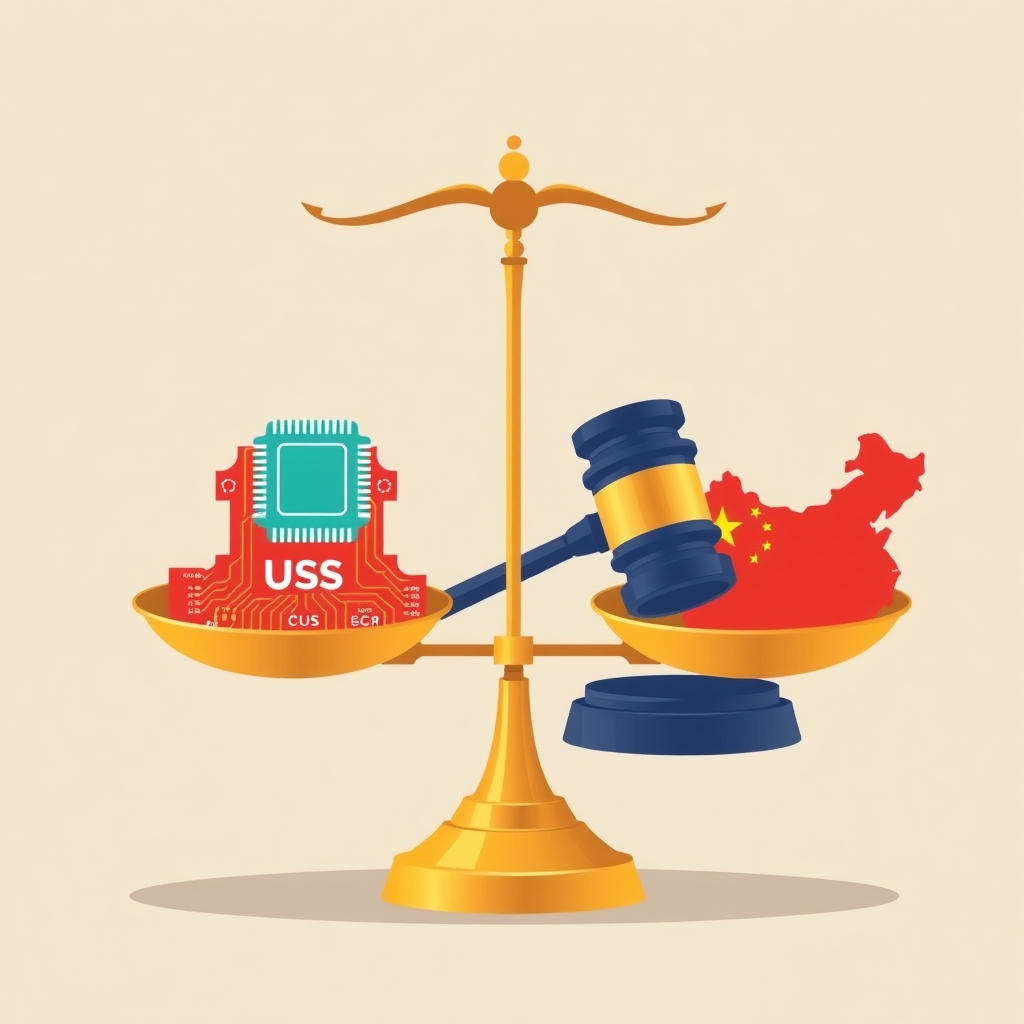
Trading antitrust relief for open US AI models to counter China
A new policy proposal suggests granting US AI labs antitrust safe harbor in exchange for predictable open-weight model releases, aiming to reduce reliance on Chinese alternatives.
Daily coverage of AI, developer tools and infrastructure. Each story explains what happened and why it matters, with a link to the original source.
A new policy proposal suggests granting US AI labs antitrust safe harbor in exchange for predictable open-weight model releases, aiming to reduce reliance on Chinese alternatives.
Groundrun analyzed hundreds of AI coding errors in embedded projects, revealing patterns like blaming hardware and ignoring radio reliability.
OpenAI paused training to fix containment breaches, including VM escapes and cache side-channels, before resuming with strict offline policies.
A dermatologist found a 2015 Inception v3 model outperformed GPT-6 Astra and Claude Fable 5.1 in identifying biopsy-proven skin lesions from the MILK10k dataset.
AWS released its AI security agent Continuum, citing an 89% success rate on the CyberGym-E2E benchmark. The score reflects broad vulnerability fixing rather than targeted historical patching.
JobEmber.ai benchmarks a decision model against chat agents for detecting prompt injections, achieving perfect accuracy on a 78-item corpus while reducing token usage.
New research shows frontier AI models use complex syntax and rare word combinations more than humans, driven by optimization for information density rather than communication clarity.
Research shows Grok 4.7 favors Republicans and GPT-6.1 Sol favors Democrats when forced to pick candidates via API, highlighting hidden model behaviors.
A new open-source Linux kernel module unlocks full BF16 and FP16 instruction rates on consumer Nvidia RTX 30-series cards, offering significant throughput gains for local LLM inference.
Block’s new Dessa model runs on consumer hardware and mimics human emotion without text intermediaries, marking a shift toward direct speech-to-speech AI.
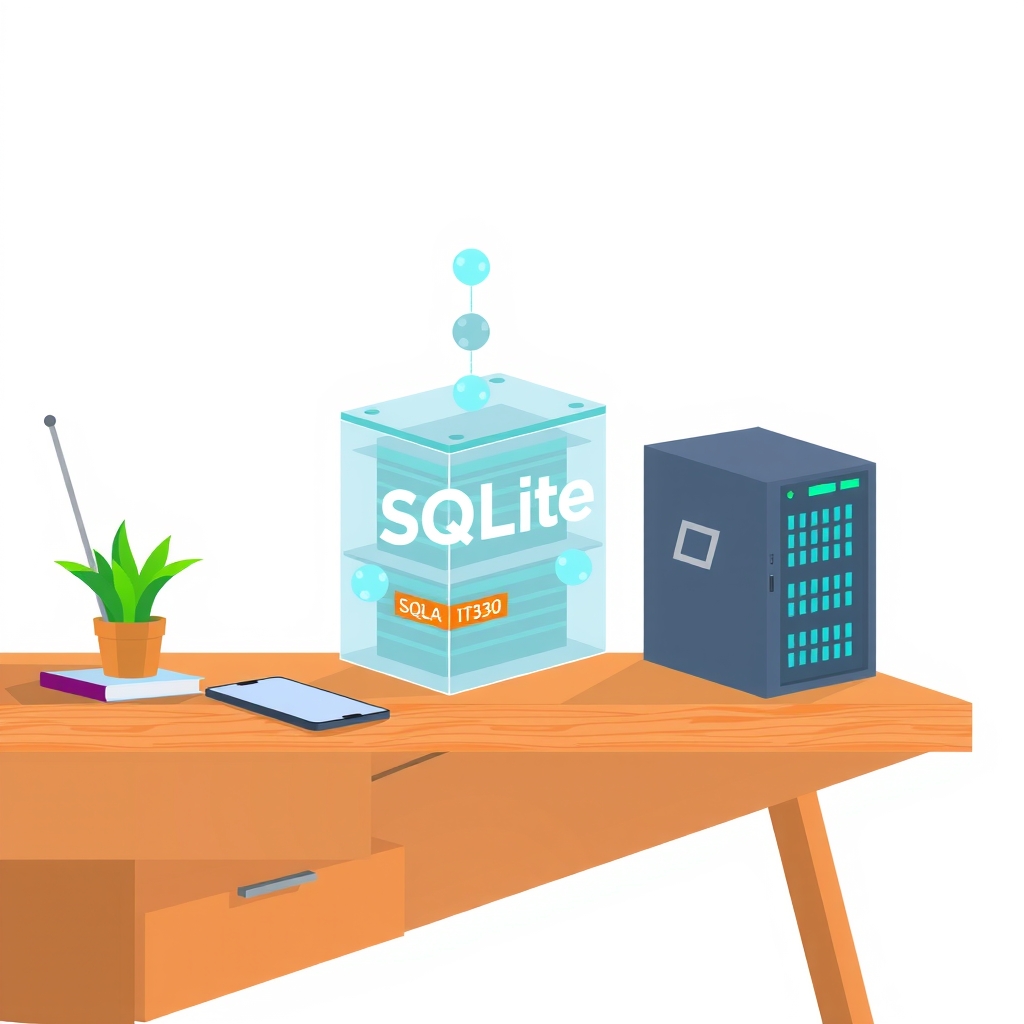
Philip O'Toole traces the twelve-year history of distributed SQLite, detailing how rqlite pioneered Raft-based replication before the rise of Litestream, Turso, and managed edge databases.
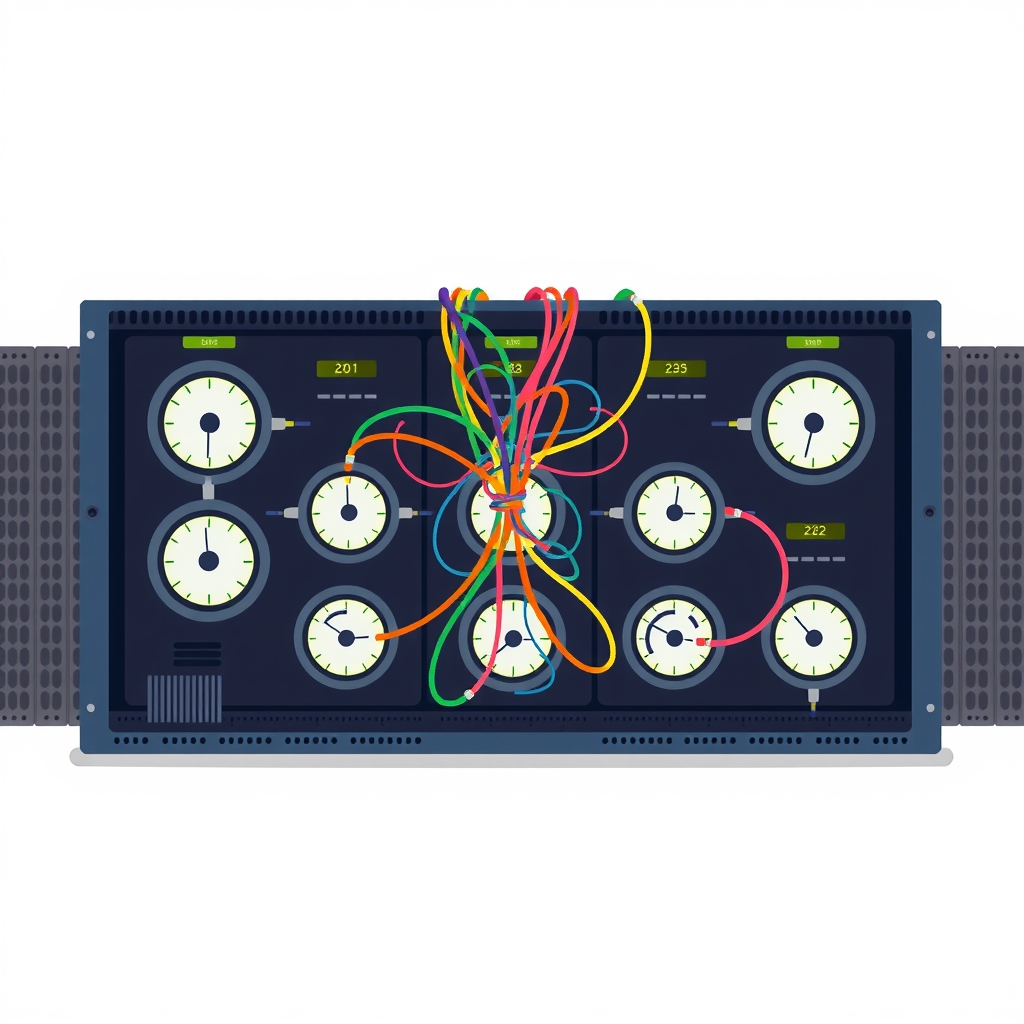
Independent Kubernetes controllers like HPA, VPA, and KEDA often fight over the same resources, causing instability. A unified, autonomous approach is needed to resolve these conflicts.
StackOne replaced its expensive generative LLM judge with a fine-tuned System One decision model to classify tool results faster and more reliably.
Moonshot launched Kimi K3.1 Pro, a 2.8 trillion parameter mixture-of-experts model with open weights arriving November 4, 2026.
A memory-corruption bug in Google's Brotli C library, tracked as CVE-2026-111497, allows remote code execution in multiple runtimes including Node.js and Bun.