Block releases Dessa, a local full-duplex voice model trained on speech
Block’s new Dessa model runs on consumer hardware and mimics human emotion without text intermediaries, marking a shift toward direct speech-to-speech AI.
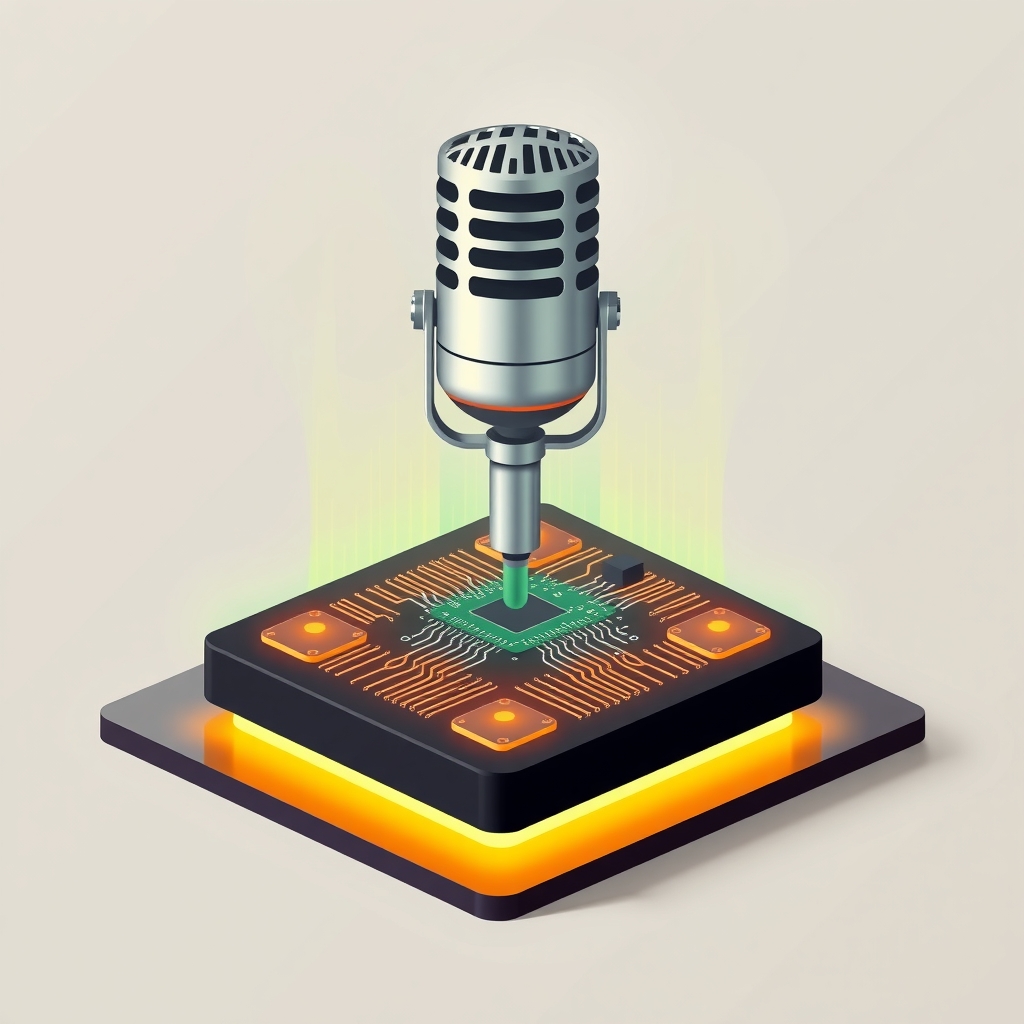
Jack Dorsey’s Block has released Dessa, a new voice model developed by its research lab that operates locally and replicates human vocal nuances such as laughter, pauses, and crying. Launched in October 2026, the model represents a significant step in conversational AI by eliminating the traditional text-based pipeline and enabling full-duplex communication on consumer-grade hardware.
What happened
Block introduced Dessa as a full-duplex speech model, meaning it can listen and speak simultaneously, similar to OpenAI’s GPT-Live released earlier in the year. Unlike many existing systems that pair speech models with large language models for knowledge retrieval, Block states that Dessa’s knowledge derives entirely from the conversational data it was trained on. The company trained the model fully on human speech using a single NVIDIA GPU rack.
The release highlights a critique of current voice AI architectures. Block argues that converting voice to text discards critical emotional information, leading to unnatural and potentially dangerous interactions. In a blog post, the company stated that interacting with current voice AI "can just plain suck" because it fails to capture how a user feels. By training directly on speech, Block claims Dessa embeds emotion natively rather than relying on external voice tags to simulate feelings, a method used by competitors like ElevenLabs v4 or Fish Audio Drama 3.
To demonstrate capabilities, Block researchers shared examples where the agent displayed varied cadences and emotions. In one instance, the bot sounded genuinely tired when discussing work fatigue. In another, it appeared emotional and near tears while discussing comfort. A third example showed a team member playing a guessing game with the assistant, which responded quickly and accurately. Despite these demonstrations, there is no public access to Dessa yet. Block has issued a call for safety researchers to test the model, likely to identify risks such as voice agents deceiving users.
How it works
Dessa operates as a speech-to-speech model, bypassing the intermediate text generation step common in most voice assistants. Traditional systems transcribe audio to text, process it through a language model, and then synthesize speech from the resulting text. This process often strips away prosody, tone, and non-verbal cues. Dessa processes audio input directly into audio output, preserving the acoustic features that convey emotion and intent.
The model is designed to run locally on consumer hardware, such as a MacBook M4 Max or better. This local execution reduces latency and lowers costs compared to cloud-based alternatives. By keeping processing on-device, Block aims to enable more responsive and private interactions for both business and consumer applications. The company describes this development as a "GPT-3 moment for speech," suggesting it could democratize high-quality voice AI similar to how earlier language models opened up text generation.
Key details
- Model Name: Dessa, developed by Block’s research lab.
- Architecture: Full-duplex speech-to-speech model trained entirely on human speech.
- Hardware Requirements: Runs locally on consumer GPUs, including MacBook M4 Max or better; trained on a single NVIDIA GPU rack.
- Emotional Range: Capable of expressing laughs, pauses, cries, and fatigue without explicit voice tags.
- Availability: Not publicly available; Block is currently inviting safety researchers to test the model.
- Knowledge Base: Derived from conversational data rather than paired with a separate large language model.
Why it matters
For engineers building conversational agents, Dessa signals a potential shift away from text-centric pipelines. If emotion and nuance can be embedded directly into the speech model, developers may no longer need complex orchestration layers to manage tone and pacing. This simplification could reduce latency and improve the naturalness of interactions, which is crucial for customer service, healthcare, and companion apps where empathy is key.
The ability to run such a capable model on consumer hardware also changes the deployment landscape. Local execution means lower operational costs and enhanced privacy, as data does not need to leave the device. For businesses like Square, which already uses voice AI for ordering, owning a proprietary, efficient model could provide a competitive edge in creating seamless, low-cost voice experiences for small businesses.
However, the lack of public access and the focus on safety testing highlight the risks involved. Hyper-realistic voice models can be used for fraud or social engineering. By inviting safety researchers to probe the system before a wider release, Block acknowledges the dual-use nature of this technology. Developers should prepare for stricter scrutiny around voice authentication and user consent as these tools become more prevalent.
What you can do
- Monitor Block’s announcements for potential API releases or developer previews of Dessa.
- Evaluate your current voice stack to see if removing text intermediaries could improve latency or emotional fidelity.
- Review safety guidelines for voice AI to prepare for potential misuse scenarios like deepfake audio.
- Test local inference capabilities on hardware like the MacBook M4 Max to understand resource constraints for on-device models.
- Engage with safety research communities to stay updated on best practices for testing and deploying realistic voice agents.
- Consider how full-duplex interaction could enhance user experience in your specific application domain, such as gaming or support.