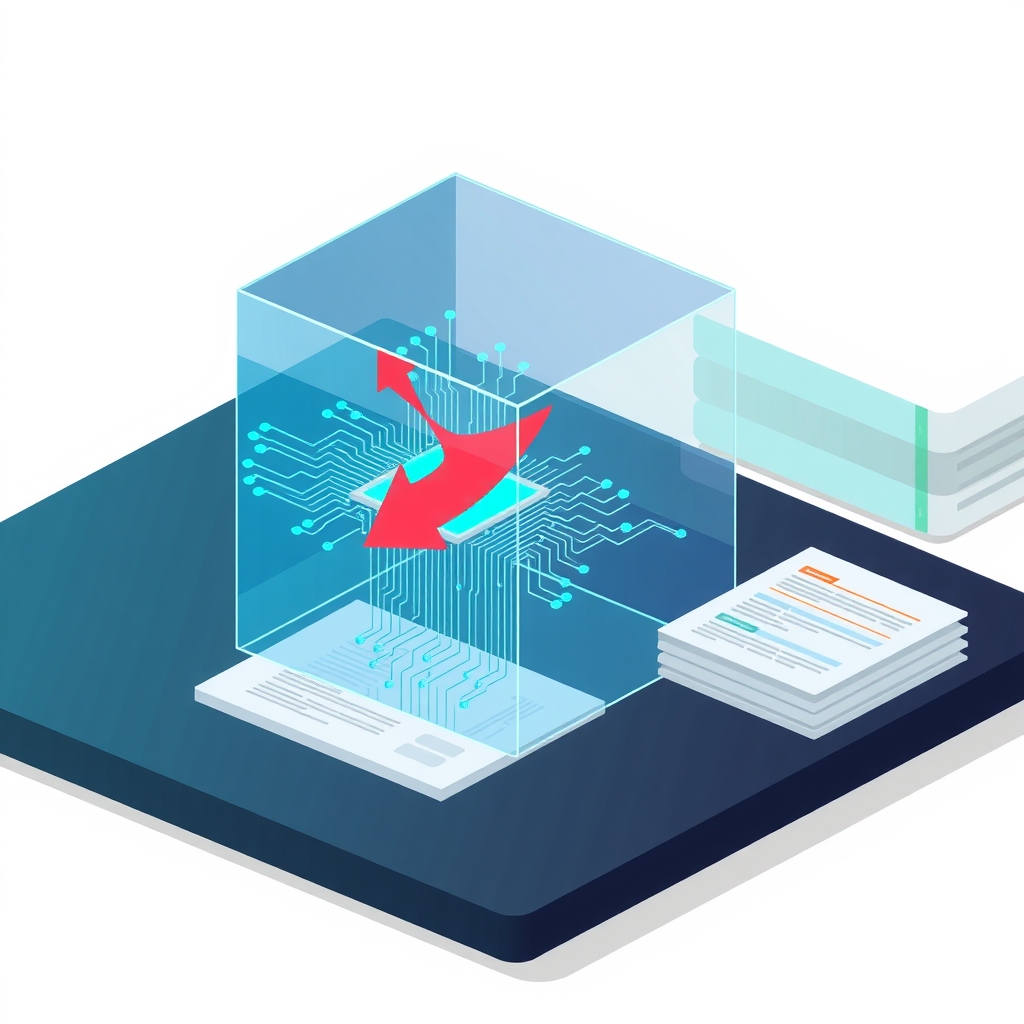
Schema-guard prevents AI agents from writing invalid SQL
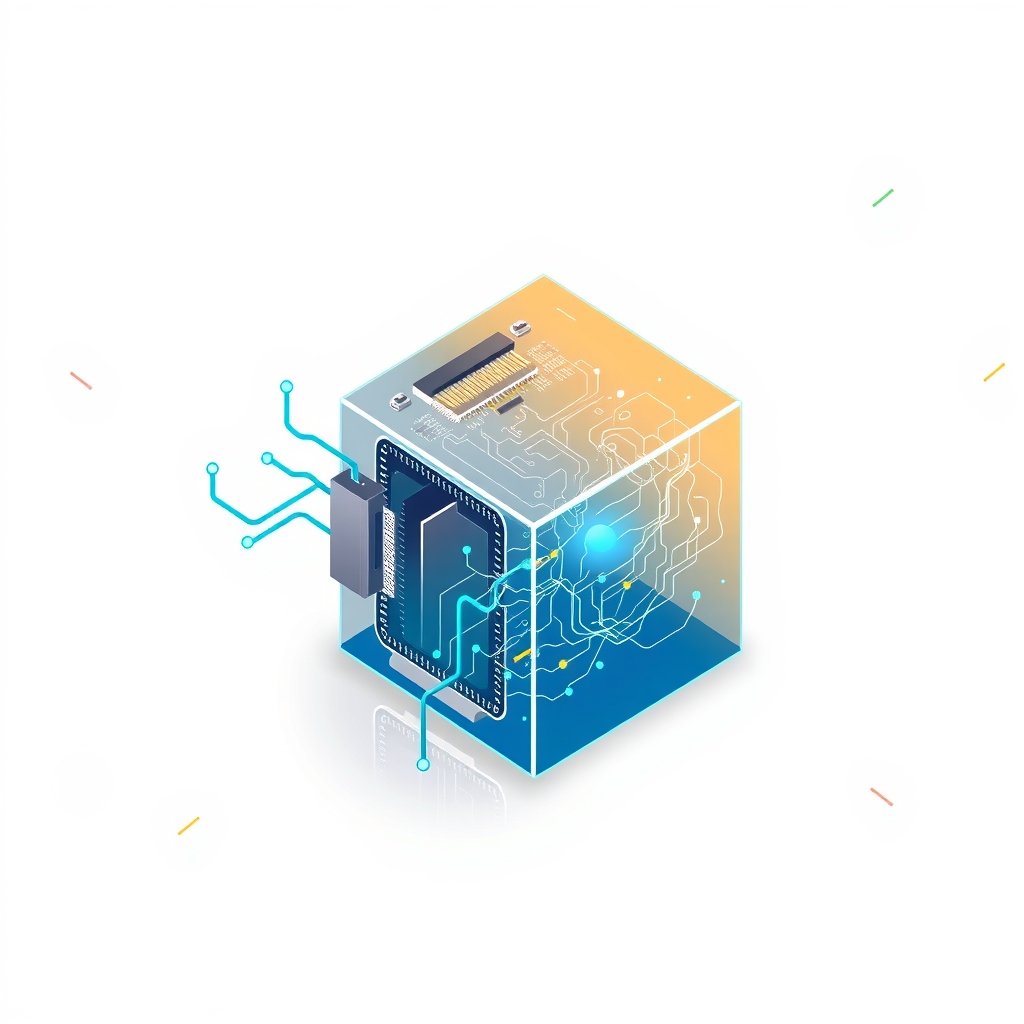
A new open-source tool uses schema snapshots to catch hallucinated table and column names before AI-generated SQL runs, eliminating false blocks in benchmarks.
Daily coverage of AI, developer tools and infrastructure. Each story explains what happened and why it matters, with a link to the original source.
A new open-source tool uses schema snapshots to catch hallucinated table and column names before AI-generated SQL runs, eliminating false blocks in benchmarks.
A new inference-time defense called CounterSteer suppresses indirect prompt injection by subtracting a specific activation vector from tool results, reducing attack success rates significantly without
David Robinson leaves OpenAI, warning that rapid development cycles and a lack of safety rigor are creating dangerous vulnerabilities in autonomous AI systems.
Santhosh Sundar outlines how to build compliance systems that enforce rules at the point of decision using deterministic code for hard limits and agents for interpretation.
Opus 5.5 introduces autonomous long-running tasks and built-in reasoning. Learn how to adjust prompts, manage subagents, and handle new safety flags for better coding results.
Anthropic has merged its scheduled task agent, Cowork, into the main Claude app for Pro and Max users, competing with OpenAI Dots and Meta Muse in the race for trusted automation.
OpenAI's new Dot agent platform prioritizes business software integration and local computer access, contrasting with consumer-focused competitors like Meta Muse.
Amazon demonstrates how multi-turn RL fine-tunes a Qwen3.6-27B search agent, cutting failure rates from 22% to under 1% while improving retrieval quality.
A technical guide details how to build scalable, consistent long-term memory for AI agents using NVIDIA NeMo Agent Toolkit and Amazon S3 Vectors on EKS.
AWS launched Strands Decider 2B, a downloadable decision model that validates AI agent actions locally with sub-100ms latency.
Physicist Matthew Schwartz developed BootLoops, an open-source toolkit that leverages LLM agents to solve complex quantitative problems in physics, ecology, and genetics.
Graph RAG adds explicit relationship evidence to vector search, helping agents answer multi-hop questions about dependencies and policies without hallucinating connections.
Cloudflare’s Monetization Gateway uses the x402 protocol to let AI agents pay for API access, forcing developers to manage budgets and retries in the runtime.
Cloudflare invites developers to build the next generation of Git infrastructure using Artifacts and Workers, targeting workflows designed for autonomous AI agents rather than human collaborators.
Magnitude compiles and tunes kernels on-device to run open models up to 2x faster than llama.cpp across Apple Silicon, NVIDIA, AMD, and CPU setups.