Virtual machines hold steady in cloud infrastructure as AI drives isolation needs
New research shows VMs still run over half of production apps, with AI workloads increasing demand for virtualization-based security and isolation.
A recent study by Linux Foundation Research reveals that virtual machines remain a cornerstone of modern cloud native infrastructure, accounting for more than half of production applications. Surveying 492 practitioners in September 2026, the report highlights how AI and agentic workloads are reinforcing the need for strong workload isolation rather than replacing traditional virtualization.
What happened
The Cloud Native Computing Foundation (CNCF) and Broadcom sponsored this research to understand the evolving mix of workloads in enterprise environments. The resulting report, titled "Virtual Machines, Agentic AI and the Mix of Workloads: Findings from the 2026 Cloud Native Workloads Survey," challenges the notion that containers have completely superseded virtual machines. Instead, it paints a picture of coexistence, where organizations leverage both technologies to meet diverse operational requirements.
The data indicates that virtual machines are not fading into legacy status but are actively maintained and even expanded in specific contexts. For large enterprises with 10,000 or more employees, VMs account for an average of 64% of production applications, compared to 45% in smaller organizations with fewer than 500 employees. Most respondents expect this balance to remain stable over the next year, with 71% predicting their VM share will stay within the current range.
Beyond raw usage numbers, the study examines organizational dynamics. It finds that silos between infrastructure teams are breaking down. A majority of respondents reported that their VM and container administration teams are now collaborative or fully integrated. This shift suggests that operational strategies are maturing to handle hybrid environments more cohesively, rather than treating virtualization and containerization as separate, competing domains.
How it works
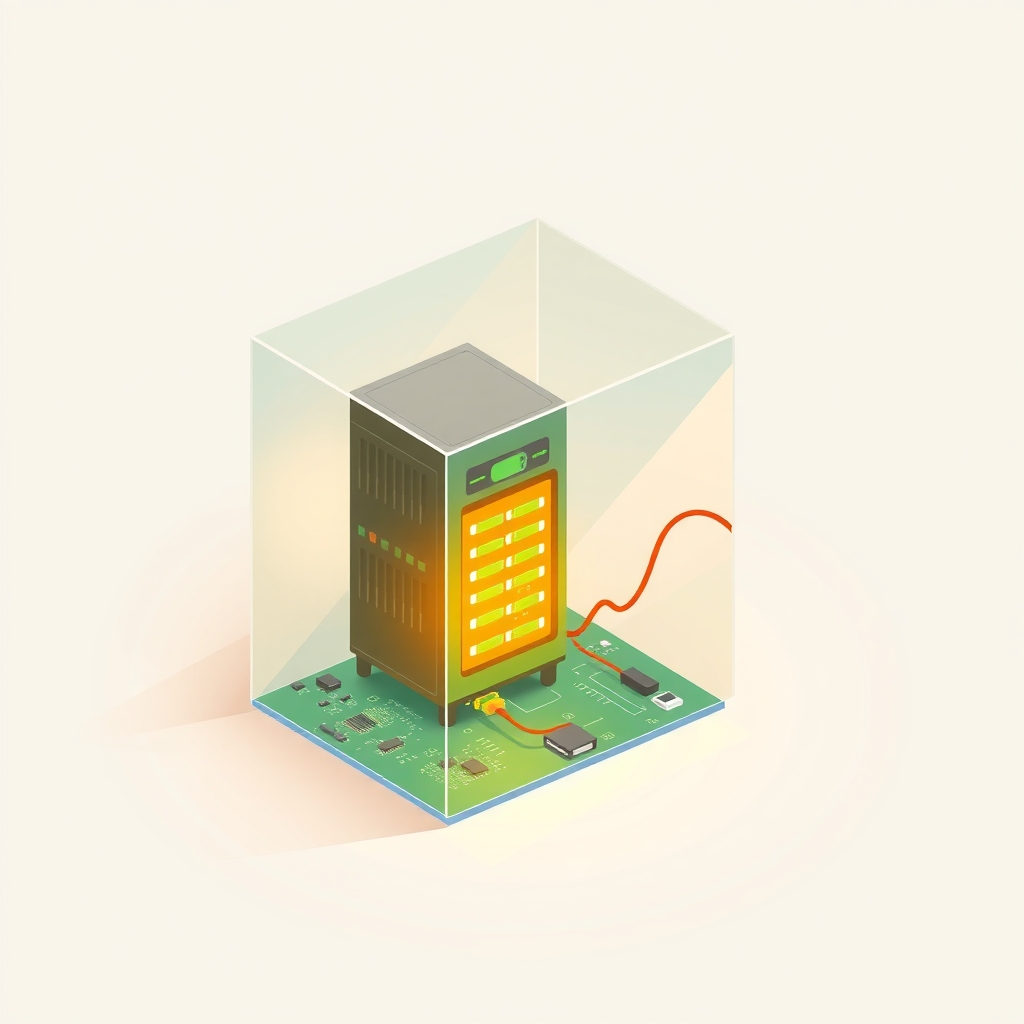
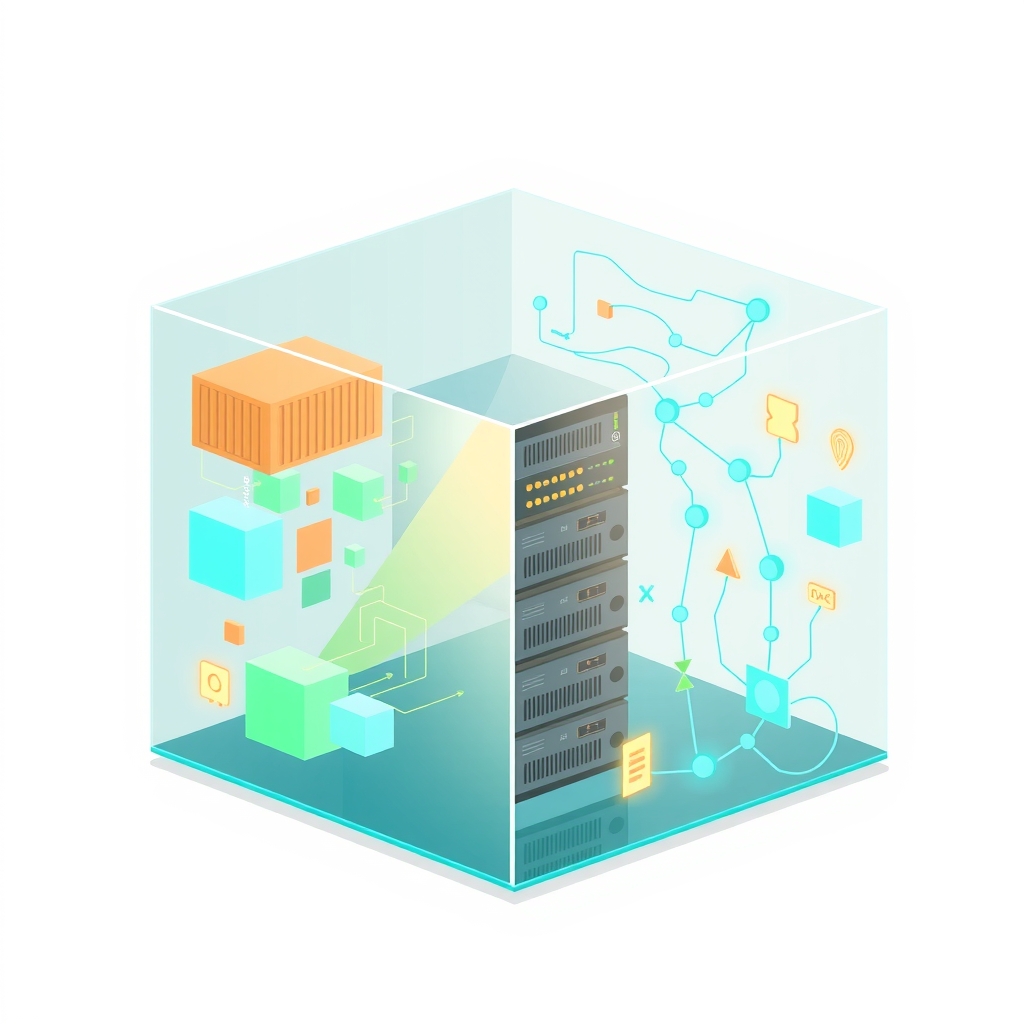
The persistence of VMs is largely driven by security and isolation requirements, particularly for emerging AI agents. Unlike traditional static applications, AI agents can generate and execute code dynamically, interact with external tools, and access sensitive data. This unpredictability creates significant risk if the execution environment is not strictly contained. Virtual machines provide hardware-level isolation that containers alone may not offer, creating a secure boundary for these autonomous processes.
To manage this complexity, organizations are adopting various technical approaches. Some use KubeVirt, a CNCF project that allows virtual machines to be managed as Kubernetes resources, unifying the control plane for both workload types. Others employ MicroVM sandboxing or run containers inside VMs to combine the agility of containers with the security boundaries of virtualization. Technologies like Kata Containers also play a role by using lightweight VMs to isolate containerized workloads, offering a middle ground between performance and security.
Key details
- VMs account for an average of 53% of production applications across all surveyed organizations.
- 34% of respondents expanding their VM footprint cited AI and agentic workloads as a key factor.
- 61% of organizations describe their VM and container teams as collaborative or fully integrated.
- 62% of respondents use at least one VM-based isolation approach for AI workloads, such as hardware-level isolation or MicroVMs.
- 8% of respondents running VMs use KubeVirt to manage them within Kubernetes.
- 64% of respondents deploy VMs on on-premises hypervisor platforms, while 51% use public cloud IaaS.
Why it matters
For software engineers and platform architects, this data validates the continued investment in virtualization skills and tooling. It suggests that a pure-container strategy may not be sufficient for production environments dealing with AI agents or strict security compliance. Understanding how to integrate VMs into cloud native workflows, perhaps through tools like KubeVirt or Kata Containers, becomes a valuable competency rather than a legacy burden.
The rise of agentic AI introduces new security vectors that require robust isolation. If your organization is deploying AI agents that can execute code or access external systems, relying solely on container namespaces may expose you to greater risk. The trend toward VM-based isolation indicates that the industry is prioritizing security boundaries that are harder to breach, ensuring that unpredictable agent behavior does not compromise the host system or other workloads.
Furthermore, the integration of VM and container teams signals a move toward unified infrastructure management. Engineers should expect to work in environments where the distinction between VM and container operations is blurred. This requires familiarity with both ecosystems and the ability to choose the right isolation mechanism based on the specific workload’s security and performance needs.
What you can do
- Evaluate your current AI workloads to determine if they require hardware-level isolation provided by VMs or MicroVMs.
- Explore KubeVirt if you want to manage VMs and containers through a single Kubernetes control plane.
- Review your team structure to ensure VM and container administrators are collaborating on security and operational policies.
- Consider implementing containers within VMs or using technologies like Kata Containers for workloads that need stronger isolation than standard containers provide.
- Monitor the adoption of confidential computing and MicroVM sandboxing as potential future enhancements for your security posture.
- Assess your on-premises and cloud IaaS strategies to ensure they support the mixed workload requirements identified in your environment.