A practical guide to self-hosting LLM inference for platform teams
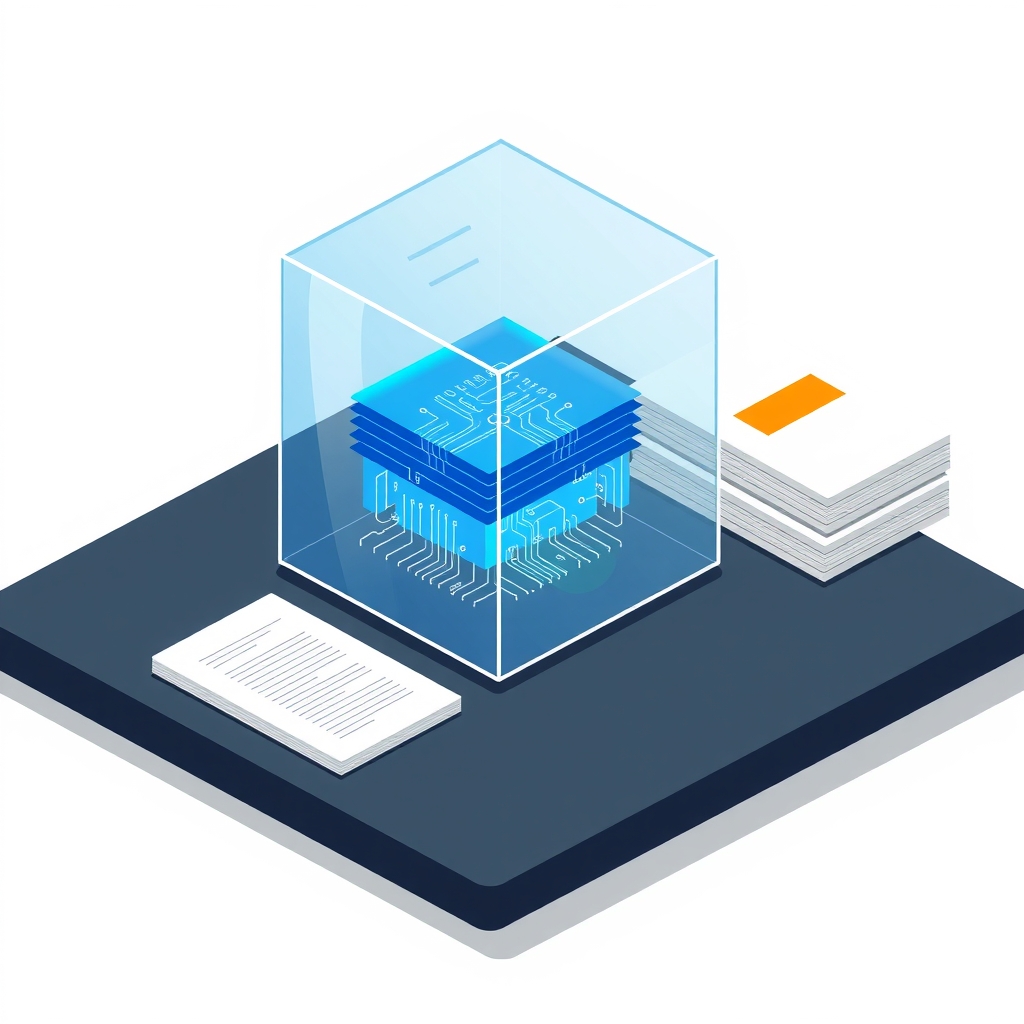
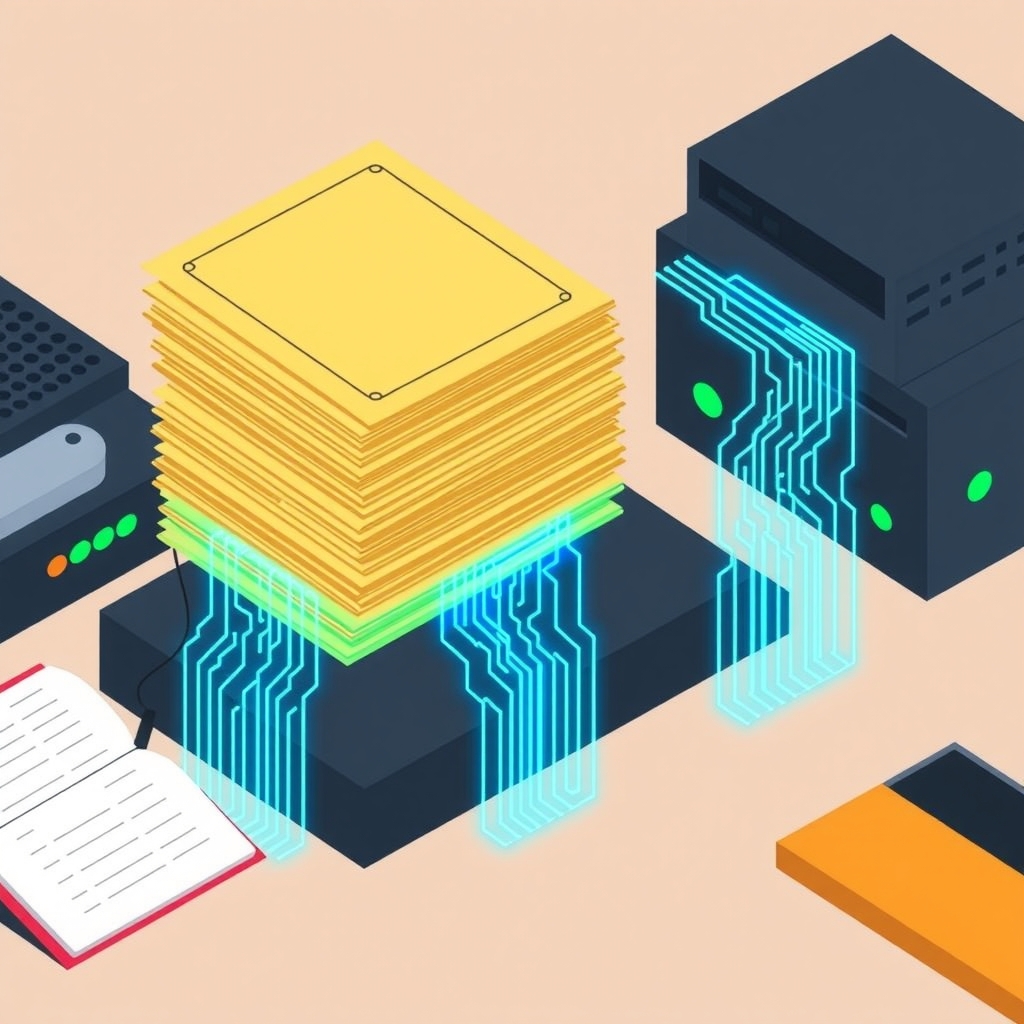
Platform engineers can cut AI costs by 80% and control data by running open models. This guide explains the stack, memory math, and key metrics for production inference.
RAG, evaluations, inference, fine-tuning and shipping LLM features to production.
Platform engineers can cut AI costs by 80% and control data by running open models. This guide explains the stack, memory math, and key metrics for production inference.
Meta has deployed Just-in-Time Tests in production, using LLMs to generate executable tests that caught 74 serious privacy bugs in early 2026.
AI code generation allows systems to exploit specific benchmark quirks, rendering performance metrics like ClickBench unreliable for real-world evaluation.
Amazon Web Services has published a pre-built Deep Learning Container for Ray Train on EKS, eliminating manual dependency management for distributed PyTorch workloads.
OpenAI's EMEA developer lead details the trade-offs between GPT-6.1 Sol and Astra models, plus how always-on dots automate engineering workflows.
Google Research introduces a sleep phase for large language models that consolidates short-term context into long-term memory, enabling continual learning without catastrophic forgetting.
Profiling Ling-3.0-flash reveals memory-bound decoding. Replacing kernels, quantizing the LM head, and using multi-token prediction boost throughput by 42.5% on GSM8K.
A new Hugging Face study shows that large language models struggle to reliably evaluate the novelty of AI-generated scientific ideas, with performance dropping sharply based on minor prompt changes.
Amazon Web Services details how to deploy enterprise agentic retrieval using Managed Amazon Bedrock Knowledge Bases and the AWS Cloud Development Kit, replacing manual vector store management with aut
OpenAI reports high accuracy in translating legacy COBOL code to modern languages, yet software engineers warn that system-level complexity remains a major barrier to safe adoption.
Independent tests show MiniMax M3.1 Flash reduces agentic task costs by up to 68% compared to M3, but it runs slower and fails to improve accuracy on complex debugging or long-context queries.
A new open-source tool quantifies flakiness in LLM evaluators using self-agreement, Cohen's kappa, and CI gate risk analysis to prevent noisy scores from gating deployments.
A dermatologist found a 2015 Inception v3 model outperformed GPT-6 Astra and Claude Fable 5.1 in identifying biopsy-proven skin lesions from the MILK10k dataset.
StackOne replaced its expensive generative LLM judge with a fine-tuned System One decision model to classify tool results faster and more reliably.
AWS provides a new CDK construct to handle the race condition between SageMaker endpoint updates and Application Auto Scaling registration, preventing deployment failures.