Fine-tuning search agents with multi-turn reinforcement learning on SageMaker
Amazon demonstrates how multi-turn RL fine-tunes a Qwen3.6-27B search agent, cutting failure rates from 22% to under 1% while improving retrieval quality.
Daily coverage of AI, developer tools and infrastructure. Each story explains what happened and why it matters, with a link to the original source.
Amazon demonstrates how multi-turn RL fine-tunes a Qwen3.6-27B search agent, cutting failure rates from 22% to under 1% while improving retrieval quality.
Graph RAG adds explicit relationship evidence to vector search, helping agents answer multi-hop questions about dependencies and policies without hallucinating connections.
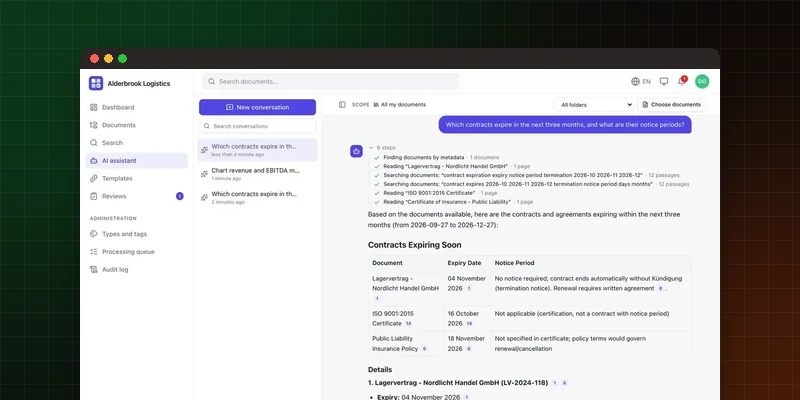
Cloudflare’s AI Search is now generally available, adding native image embeddings, OCR for PDFs, and support for larger files. Billing starts November 1, 2026.
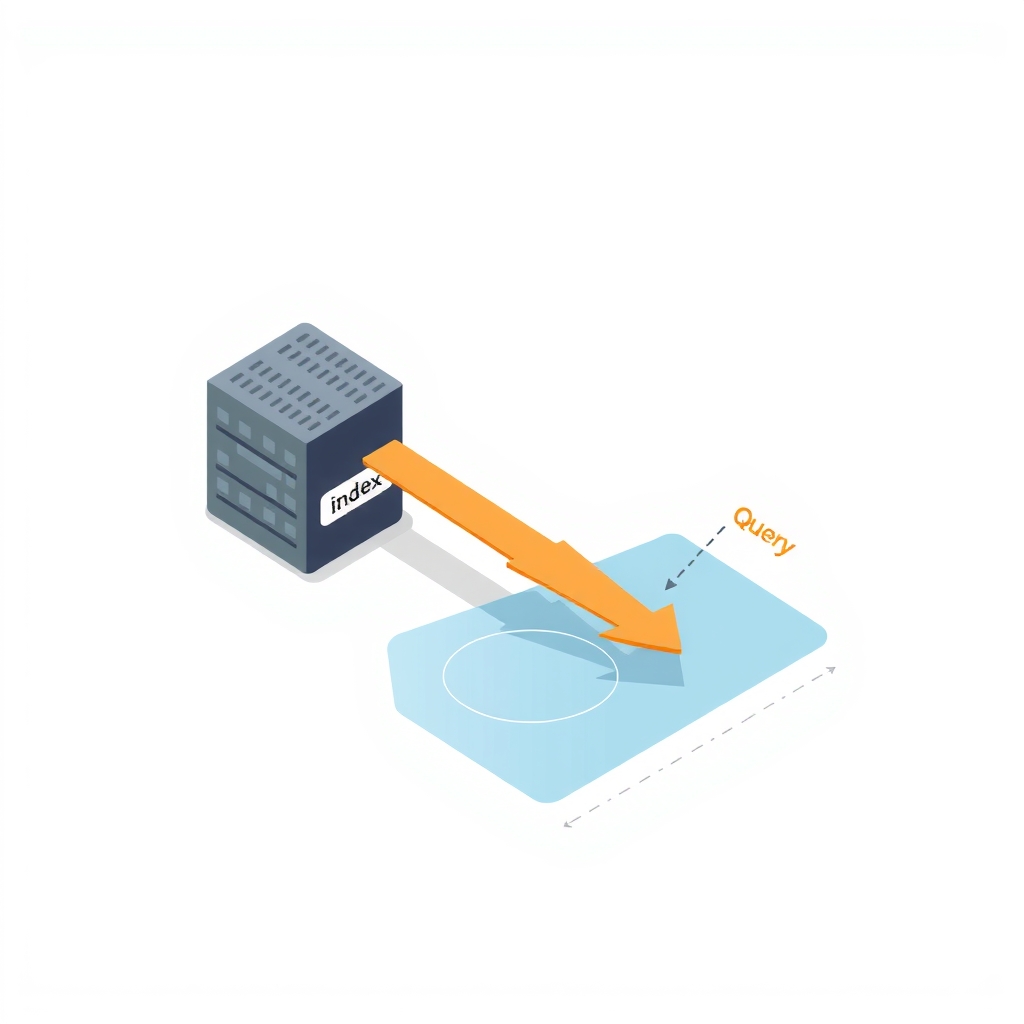
Cohere released Embed 5, allowing developers to index with a high-quality Pro model and query with a faster Fast model in the same vector space.
Security researchers found that AI coding assistants uploaded sensitive screenshots, including billing records, to public repositories because they could not attach images directly to pull requests.
OpenAI introduced Dots, persistent AI agents powered by GPT-6 Astra that run on dedicated cloud computers and operate continuously across thousands of apps.
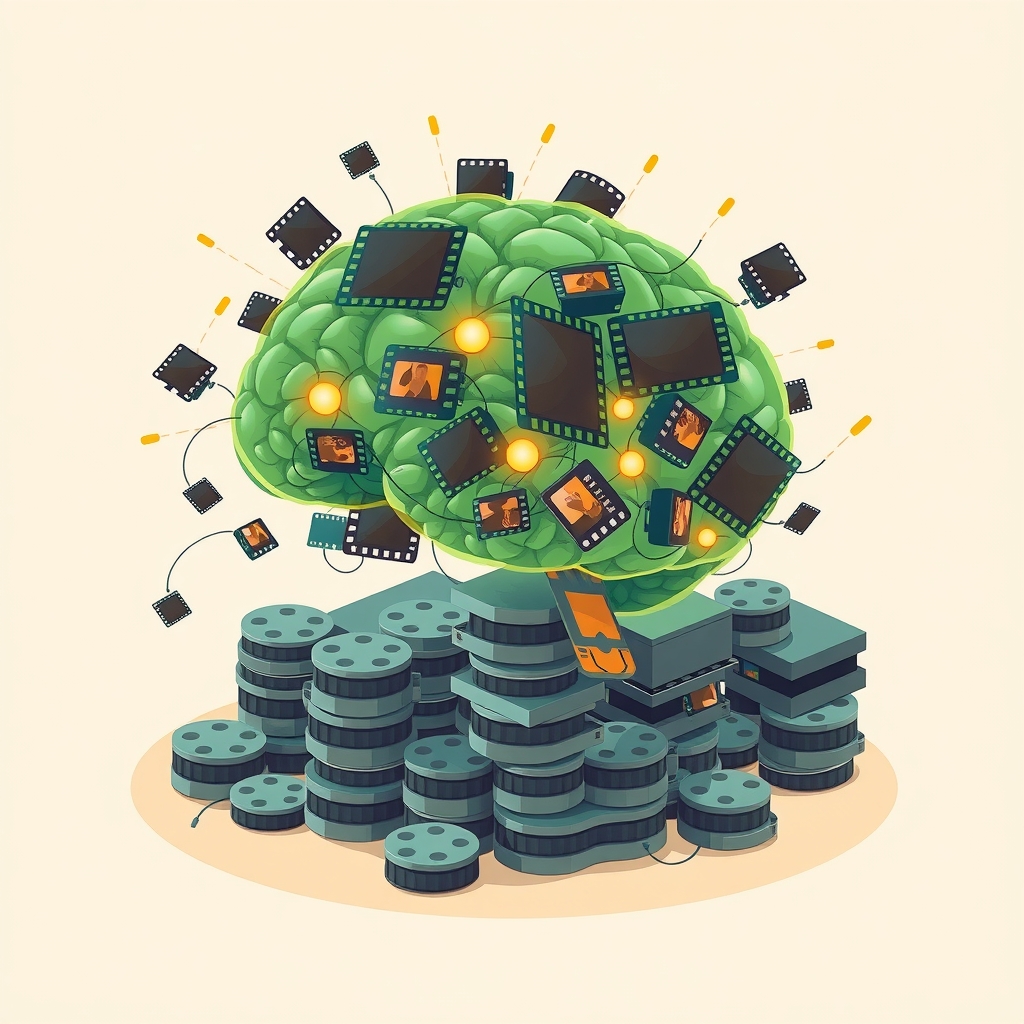
Condé Nast reduced video discovery time from 250 minutes to under two minutes using Amazon Bedrock and TwelveLabs Marengo for semantic search across 140,000 clips.
Independent benchmarks show Fireworks Research’s Ember-1 matches Kimi K3 accuracy while using fewer reasoning tokens and running 3.4 times faster.
OpenAI researchers discovered prompt injections that can copy themselves across emails and files, mimicking the behavior of traditional computer worms in agentic workflows.