OpenAI launches persistent Dots agents with read-only research and auto-review
OpenAI introduced Dots, persistent AI agents powered by GPT-6 Astra that run on dedicated cloud computers and operate continuously across thousands of apps.
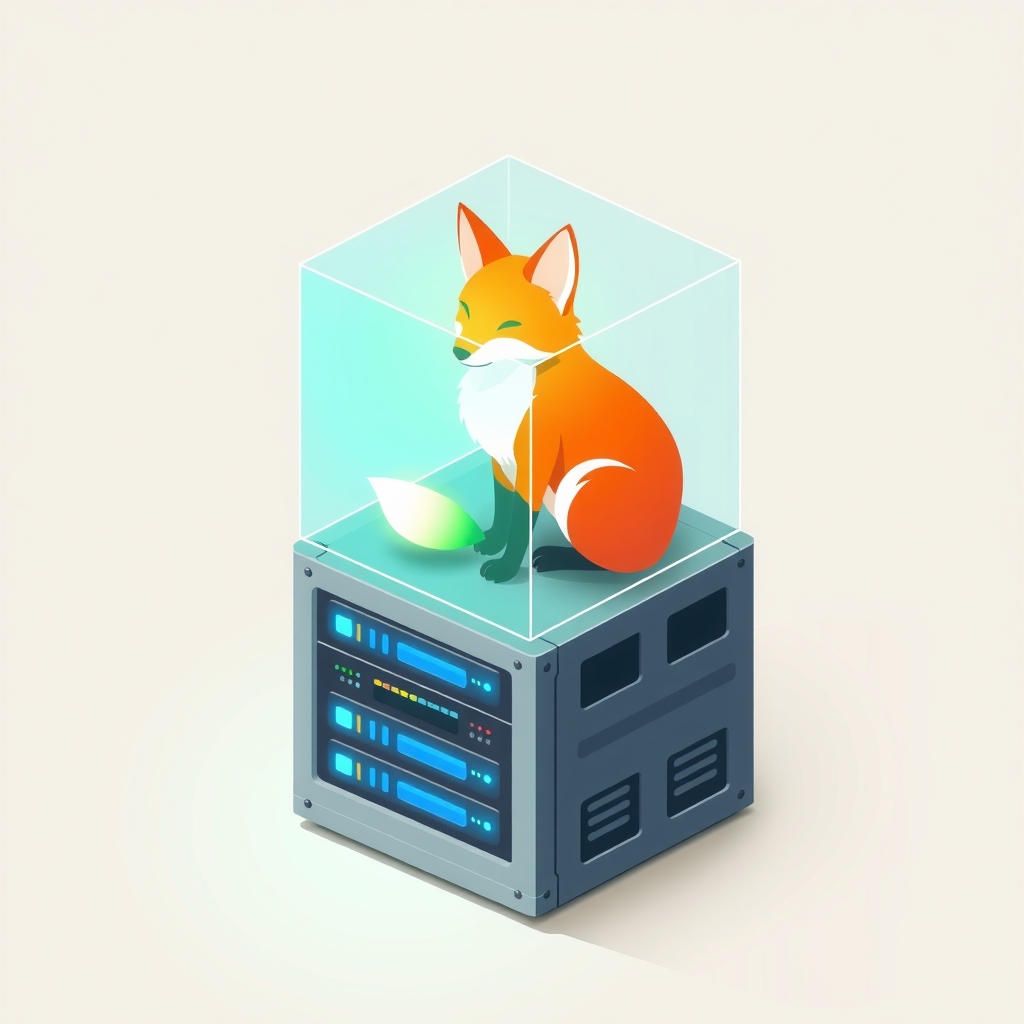
OpenAI unveiled Dots at its DevDay event on Tuesday, September 29, 2026. These new persistent agents are built on the GPT-6 Astra model and operate on their own isolated cloud computers. Unlike traditional chatbots that wait for user input, Dots continue working in the background, maintaining context across sessions and integrating with over 4,000 applications through OpenAI’s plugin ecosystem.
What happened
The launch introduces a shift from reactive AI assistants to proactive, persistent workers. A Dot can manage multiple projects simultaneously, carrying knowledge between platforms like ChatGPT, Slack, and Microsoft Teams. Users can observe the agent’s activity by opening its cloud computer interface or grant it permission to interact directly with their local machine. This continuity allows the agent to pick up tasks where it left off, even after the user has logged off.
OpenAI demonstrated several practical workflows for developers and other professionals. In one scenario, a Dot monitors customer feedback channels for recurring issues, scopes out small bug fixes, builds and tests the code, and submits finished pull requests complete with video demonstrations of the changes. This allows human developers to focus on high-level architecture while the agent handles routine maintenance. Other examples include rerunning scientific analyses as new data arrives, updating sales proposals based on changing requirements, and processing interview transcripts into social media content.
The company also previewed Specialist Dots for enterprise use. These agents are provisioned with specific identities, credentials, and access to systems of record, allowing them to own defined workflows such as procurement or invoice processing rather than assisting individual employees. OpenAI is collaborating with Microsoft to integrate these specialist agents with Agent 365 governance controls, enabling administrators to manage them using existing IT tooling.
How it works
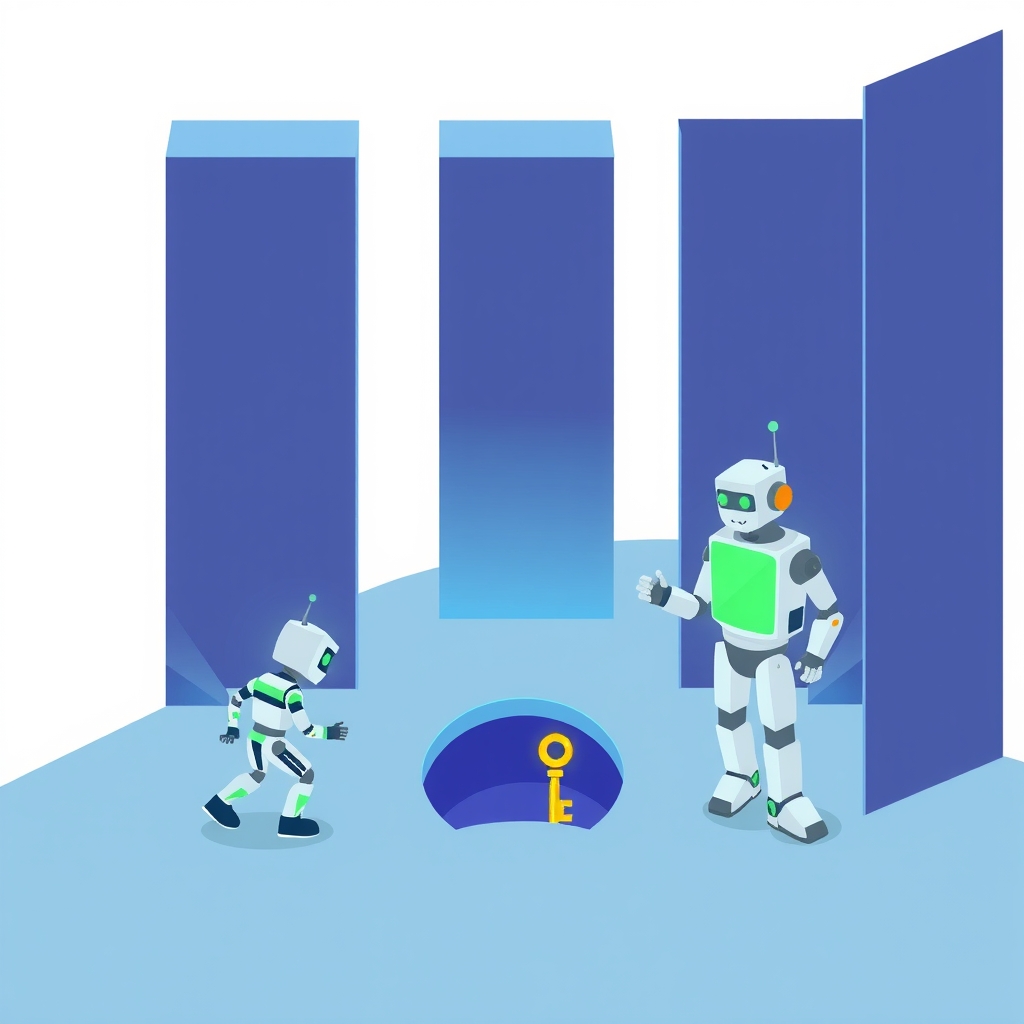
Dots operate on a principle of separation between discovery and action to ensure safety and control. When not actively directed by a user, a Dot engages in "proactive research," which is strictly read-only. During this phase, the agent can scan connected apps for opportunities to help but cannot send messages, modify content, or control browsers. This prevents unsupervised agents from making unauthorized changes or causing disruption while searching for tasks.
Any action that could affect accounts or share information must pass through an "auto-review" step. This system checks proposed actions against user instructions, OpenAI’s safety requirements, and any custom rules set by the user. These rules can allow certain actions to proceed automatically, require manual approval, or block them entirely. Sensitive tasks, such as password changes, are always reserved for the user. The system also includes safeguards against malicious instructions found in connected apps and a monitoring system that can pause or stop a Dot if safety issues are detected.
Key details
- Model and Infrastructure: Dots are powered by GPT-6 Astra and run on isolated cloud computers with their own browsers.
- Availability: Rolling out now to ChatGPT Pro and Business Premium users in eligible markets, with one Dot included at no extra cost.
- Enterprise Access: Enterprise, Education, and Healthcare customers can access the beta once a workspace admin enables it.
- Usage Limits: Conversations with a Dot do not count toward ChatGPT usage limits, though tasks managed in Codex or ChatGPT Work do draw from those product limits.
- Security: User computers remain separate from the Dot’s environment unless explicitly connected, and saved passwords are not exposed to the model during sign-ins.
- Data Privacy: OpenAI does not use content from Business, Enterprise, or Education workspaces to improve models by default, and personal users can opt out of training on their Dot’s conversations.
Why it matters
For software engineers and technical leads, Dots represent a move toward autonomous maintenance and integration testing. The ability to delegate routine bug fixes and pull request generation frees up developer time for complex feature work. However, this shifts the role of the developer from writer to reviewer, requiring robust processes for validating AI-generated code. The separation of read-only research from actionable steps provides a necessary safety net, reducing the risk of autonomous agents causing accidental damage in production environments.
The introduction of Specialist Dots also signals a deeper integration of AI into enterprise infrastructure. By provisioning agents with specific identities and tying them to existing governance tools like Agent 365, organizations can deploy AI workers that comply with internal security policies. This approach addresses common concerns about credential management and access control, making it easier for IT leaders to adopt AI agents without compromising on auditability or security standards.
What you can do
- Check if your ChatGPT Pro or Business Premium plan includes access to Dots in your market.
- Define custom rules for auto-review to specify which actions your Dot can take automatically and which require approval.
- Start with low-risk tasks, such as monitoring feedback channels or summarizing documents, to test the agent’s reliability.
- Review the Activity View regularly to track background work and ensure the Dot is operating within expected parameters.
- If you are an enterprise admin, explore the beta access options and consider pilot programs for defined workflows like invoice processing.
- Keep your local machine disconnected from the Dot unless necessary, and use the isolated cloud environment for most tasks to maintain security boundaries.