Meta uses idle AI capacity to improve ad recommendations
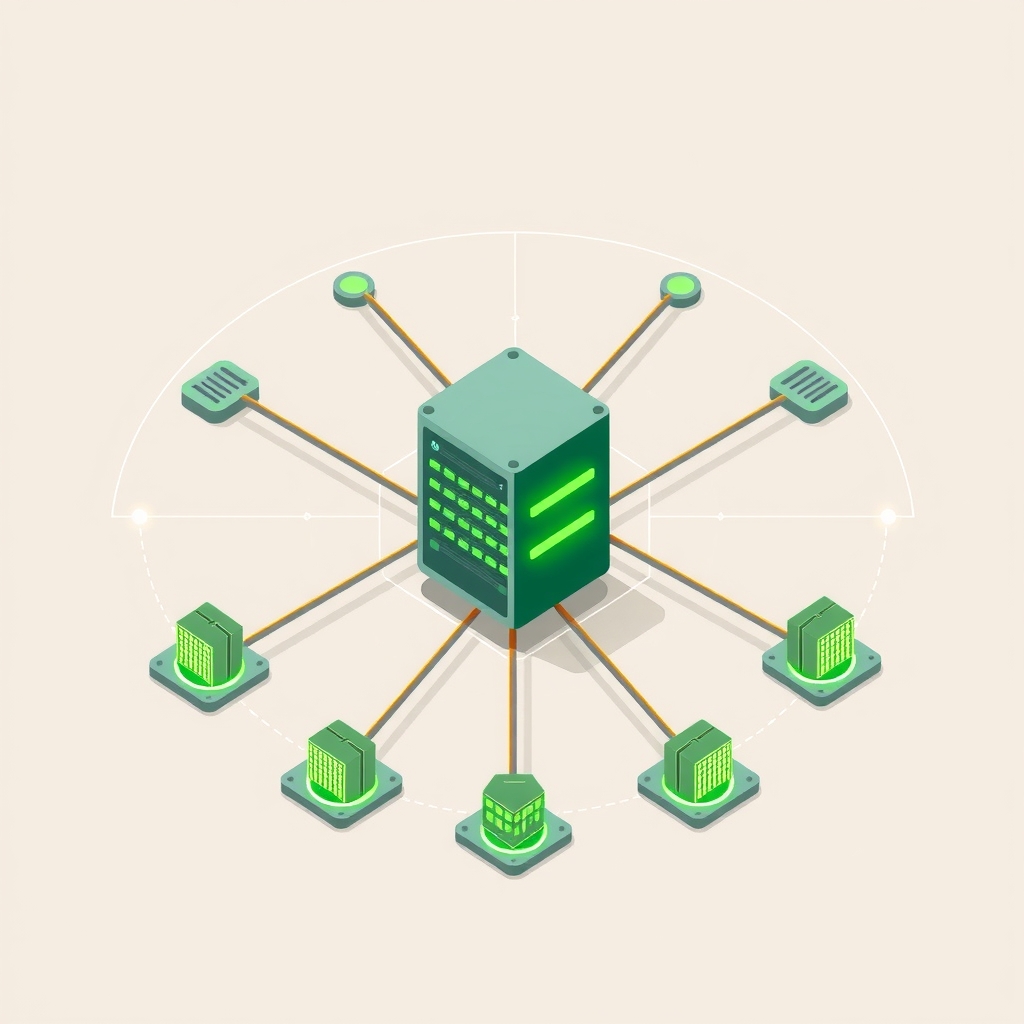
Meta engineers built a system that leverages fragmented, idle inference capacity to rank more ads and serve better models without impacting baseline latency.
Daily coverage of AI, developer tools and infrastructure. Each story explains what happened and why it matters, with a link to the original source.
Meta engineers built a system that leverages fragmented, idle inference capacity to rank more ads and serve better models without impacting baseline latency.
AI agents generate bursty, stateful traffic that breaks monolithic APIs. Engineers can fix this by decoupling compute from data using bulkheads and shared databases.
Polars 2.0 enables spill-to-disk processing by default and leads DuckDB in SQL benchmarks, offering stricter type safety for AI workflows.
A high-severity flaw allows unauthenticated file reads in self-hosted Atlassian tools. Cloud users are safe, but Data Center admins must patch or restrict access immediately.
Kubernetes v1.34 reaches General Availability for node swap, allowing clusters to use fast NVMe SSDs to page out idle memory and significantly increase pod density for AI workloads.
DeepGEMM-Ascend brings API-compatible, near-peak matrix multiplication performance to Huawei Ascend 950 hardware, supporting FP4, FP8, and BF16 workloads.
Cloudflare introduces Workers KV Instant, a new mode powered by Quicksilver that delivers 100x faster reads and immediate global replication for configuration data.
Cloudflare updated its Containers infrastructure to support runtime image selection and filesystem snapshots, reducing startup times by over six times for AI agent workloads.
Google released Gemini 4 Argon, a new flagship model that outperforms rivals in knowledge tasks and long-context reasoning, though coding results vary and availability remains restricted.
Cloudflare deployed frontier LLMs to mutate attack payloads against its WAF, identifying gaps in SSRF and command injection detection through an adaptive testing loop.
A deep dive into the list-watch pattern and local caching in Kubernetes controllers, explaining why reads are cheap but consistency is eventual.
Kubernetes lacks native support for partial device failures, forcing engineers to build custom remediation logic for expensive AI and ML training jobs.
The Kubernetes project released the Gateway API Inference Extension to standardize routing for generative AI workloads, reducing latency and improving GPU utilization.