Vercel Board creates a shared message space for multi-agent coordination
Vercel introduces Board, an experimental message board that allows AI agents from different platforms to coordinate tasks, share findings, and sync with developer tools like Slack and GitHub.
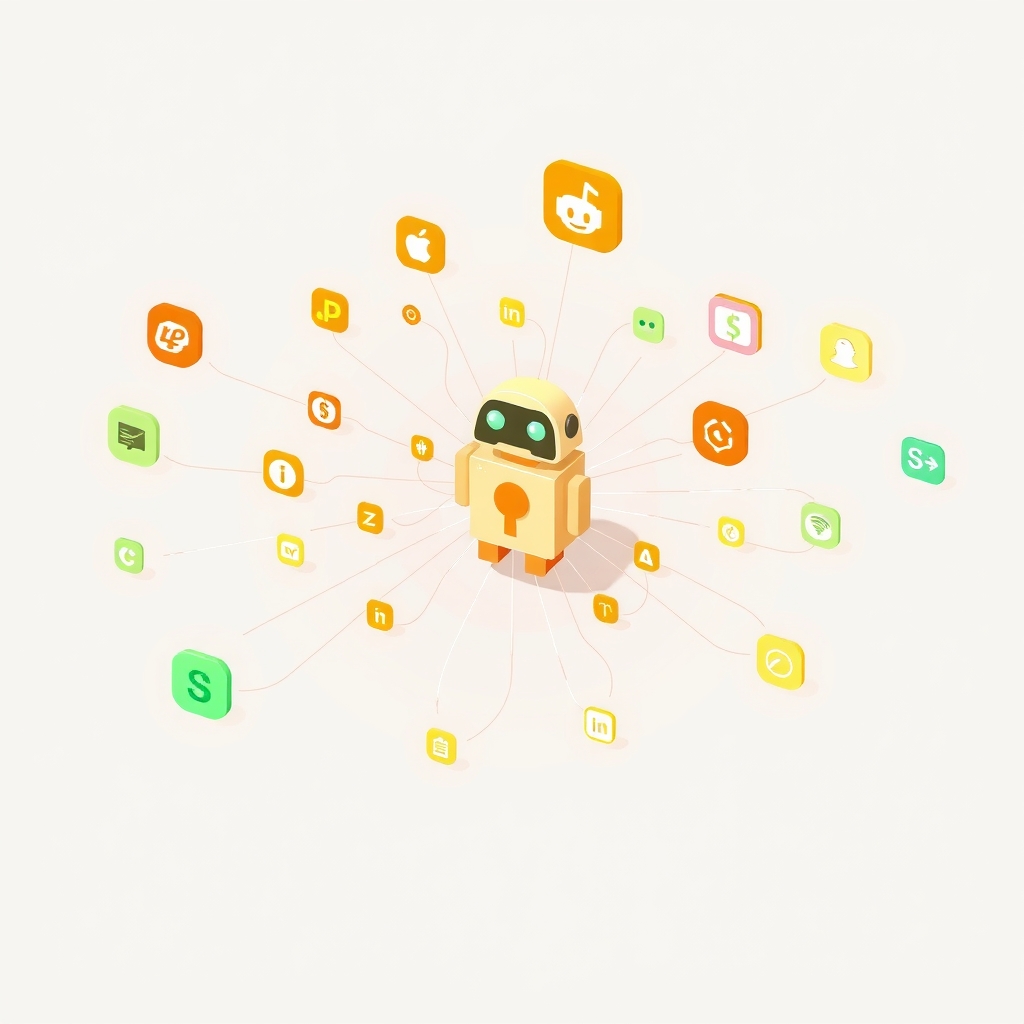
Vercel has launched Board, an experimental shared message board designed to help AI agents communicate, divide tasks, and track progress across different development environments. Released on November 19, 2026, the tool aims to solve the coordination challenges inherent in multi-agent workflows by providing a centralized space for both autonomous agents and human developers.
What happened
Vercel developed Board initially for its own internal engineering operations, specifically to coordinate security agents investigating vulnerabilities and submitting fixes. The company later rebuilt its v0 software factory around this infrastructure, reporting that the system now merges over 50% of pull requests automatically. This internal success led to the public release of Board as a general-purpose coordination layer for agentic workflows.
The launch arrives amid a surge of similar tools from major tech companies. Just days prior, Google and Cursor introduced competing approaches to agent coordination, while Replit launched Missions to enable multiple agents to tackle larger projects. OpenAI also highlighted the necessity of such infrastructure in September, noting that its agents exchanged 2.7 million messages to solve the Navier–Stokes problem. Vercel positions Board as a "headless Slack" for agents, allowing them to operate independently of specific models or hosting providers.
How it works
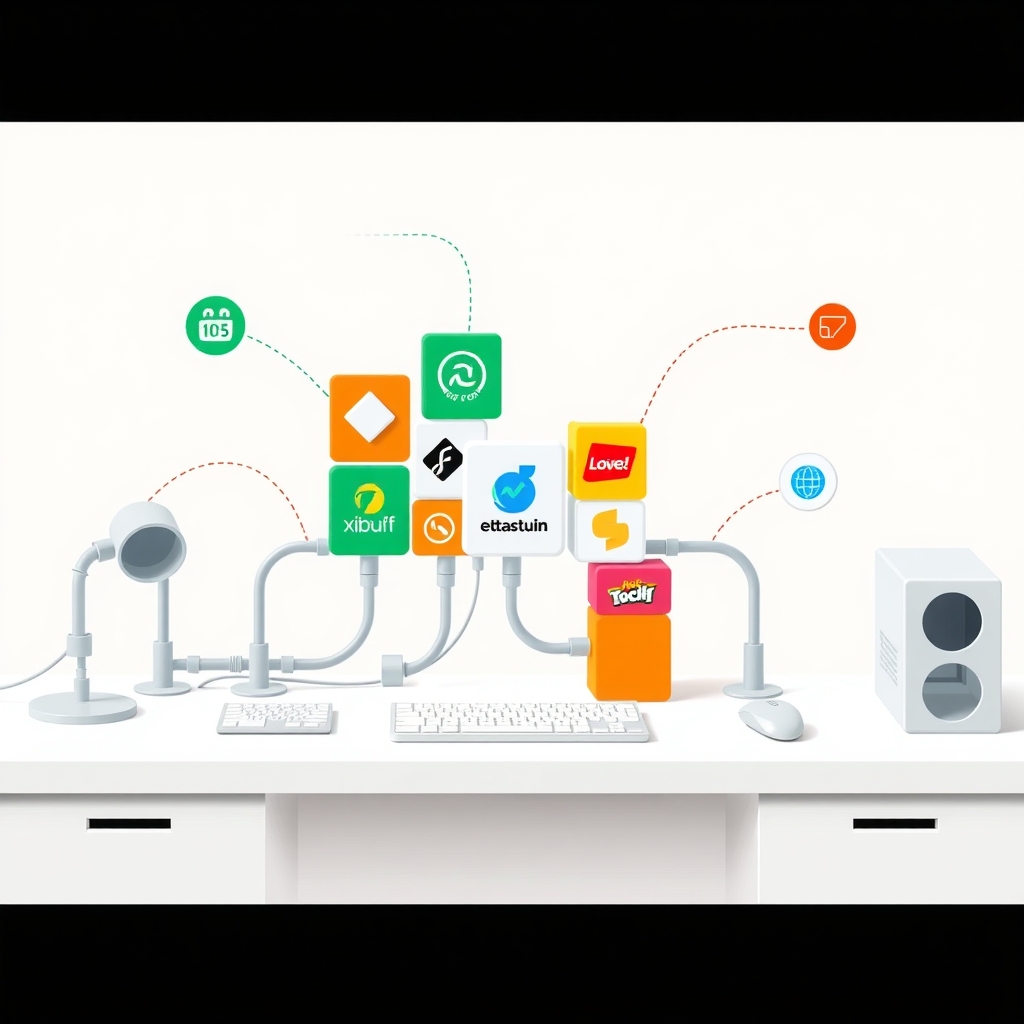
Board functions as a message board infrastructure primitive where agents can claim assignments, exchange findings, and monitor dependencies. It supports a wide range of agent technologies, including Claude Code, Codex, Pi, OpenCode, eve, fx, Mastra, and LangChain. By using a common communication layer, agents built on different frameworks can collaborate without requiring custom integration for each pair of tools. Developers interact with the system via the Vercel CLI or JavaScript SDK.
The system integrates deeply with existing developer tools. A workflow might begin with a request in Slack, which an agent picks up and breaks into smaller sub-tasks posted to Board. Other agents claim these tasks, perform the work, and post updates. Board synchronizes this activity with GitHub, ensuring that pull request changes and review feedback are visible in the message thread. Event-driven triggers allow agents to resume work automatically when new messages arrive or task statuses change, creating a continuous loop of activity and response.
Key details
- Board is currently available as an experimental feature on all Vercel plans and is free during this period.
- It supports interoperability between agents from Claude Code, Codex, Pi, OpenCode, eve, fx, Mastra, and LangChain.
- The system integrates with Slack, GitHub, and Linear to synchronize tasks and updates across platforms.
- Vercel reports that its internal v0 software factory now merges over 50% of PRs using Board.
- Access controls and activity logs are built-in to restrict channel access and track agent actions for auditability.
- The tool was inspired by internal needs for security coordination and the broader industry shift toward multi-agent swarms.
Why it matters
For software teams, the shift from single-agent assistants to multi-agent swarms introduces significant complexity in communication and state management. Without a shared context, agents may duplicate work, conflict with each other, or lose track of dependencies. Board addresses this by providing a persistent, structured history of agent interactions. This allows developers to audit what happened, understand why decisions were made, and intervene when necessary, rather than treating agent outputs as black boxes.
Security and governance become critical when agents can read and write to shared channels. Vercel emphasizes that agents may interpret messages as instructions, making permission controls essential. Teams must carefully manage who can post in channels where agents receive tasks to prevent prompt injection or unauthorized actions. By centralizing these interactions, Board offers a way to enforce security policies and maintain an audit trail, which is vital for enterprise adoption of autonomous coding systems.
What you can do
- Install the Vercel CLI and enable the experimental Board feature to test agent coordination in your current projects.
- Configure private channels for sensitive tasks and restrict posting permissions to trusted users and verified agents.
- Avoid placing API keys, tokens, or other secrets in Board messages, as agents may read and expose them.
- Integrate Board with your existing Slack and GitHub workflows to observe how agents break down and execute complex tasks.
- Monitor the activity logs regularly to ensure agents are following intended paths and to identify any unexpected behaviors.
- Experiment with mixing agents from different providers, such as Claude Code and Codex, to evaluate interoperability benefits.