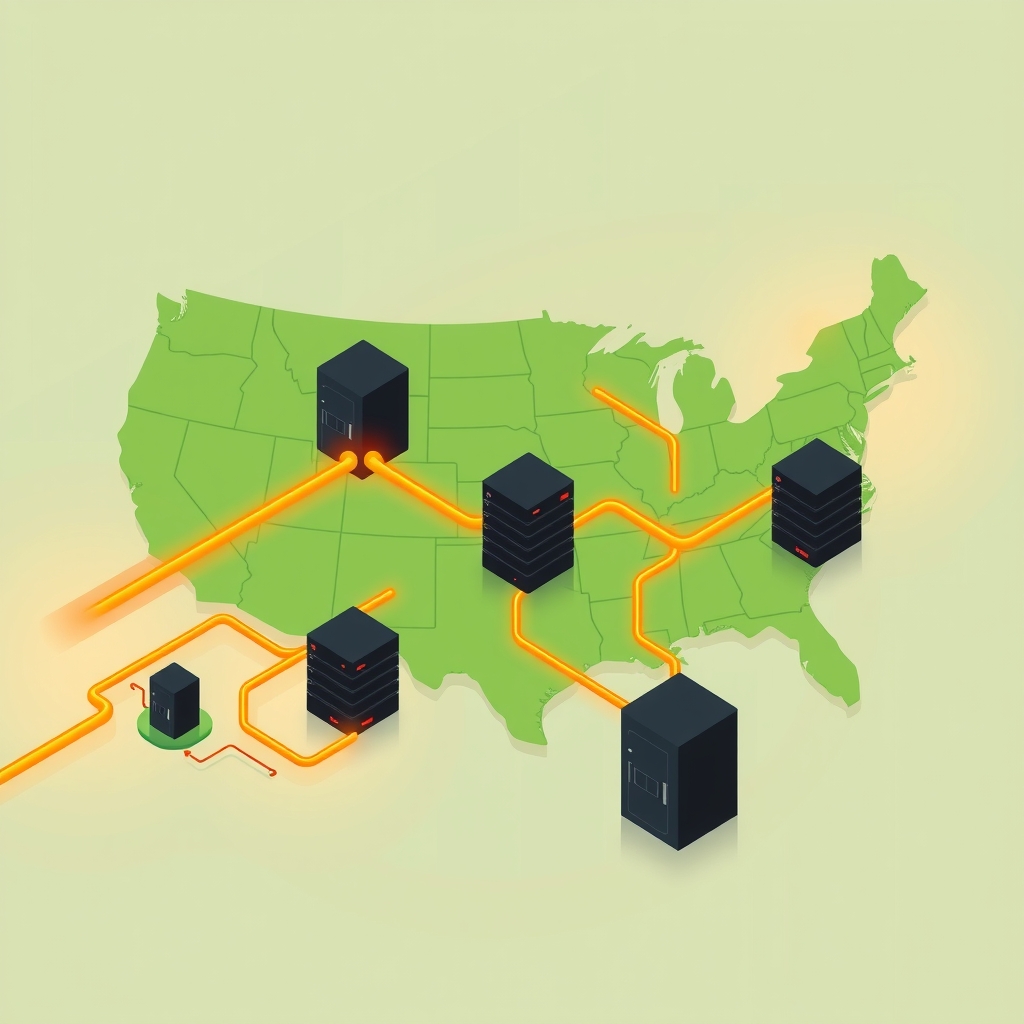
The physical backlash against hyperscale data centers explained
Journalist Paris Marx details how the rapid expansion of data centers has triggered bipartisan political resistance due to strain on local power grids, water supplies, and community quality of life.
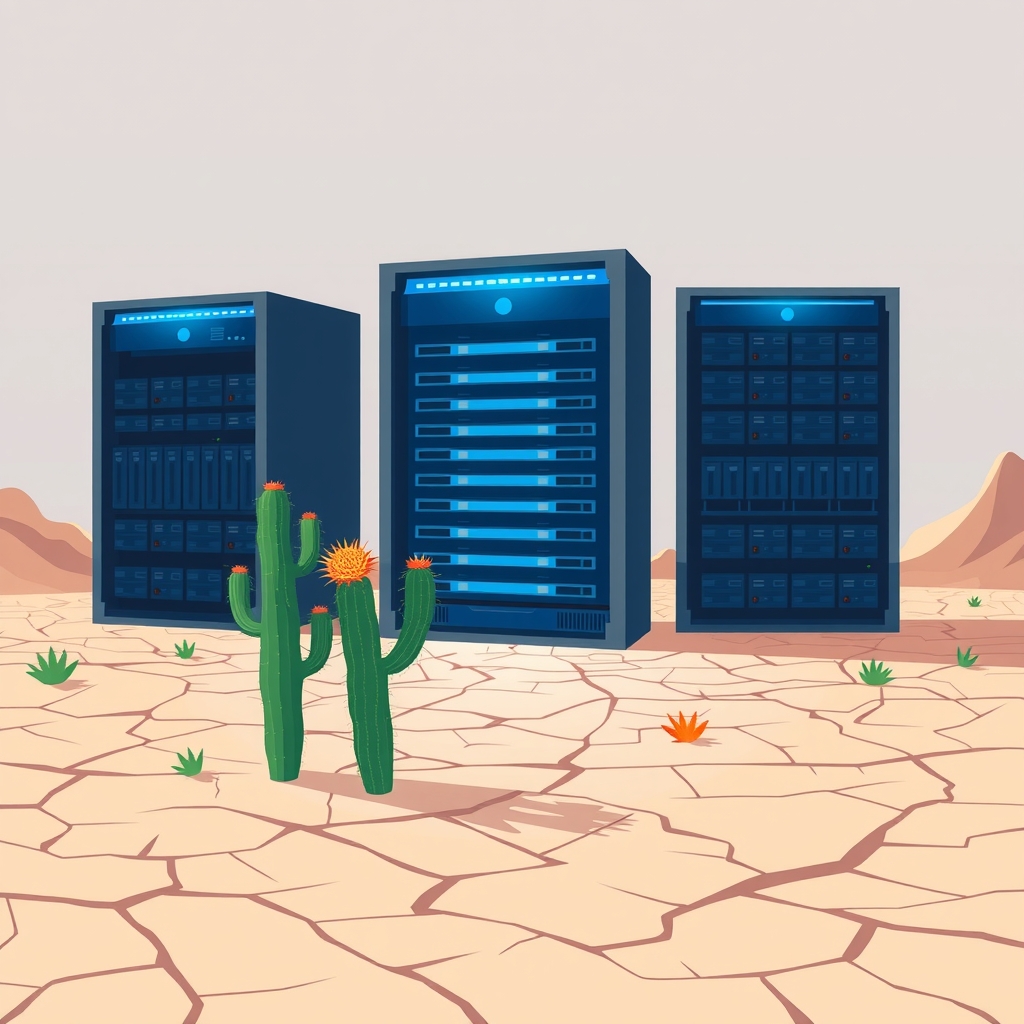
A new investigation by journalist Paris Marx reveals how the rapid construction of hyperscale data centers has transformed computing infrastructure into a major political flashpoint. As detailed in his book "Hyperscale," this backlash is driven by tangible environmental strains on local communities, ranging from water scarcity to rising electricity costs.
What happened
Marx argues that the current buildout of data center infrastructure is fundamentally unsustainable and misaligned with environmental limits. The issue has moved beyond abstract tech criticism to become a material concern for residents, influencing recent political shifts including a significant blue wave in midterm elections. This opposition is bipartisan, uniting figures across the spectrum who see these facilities as direct threats to local quality of life.
The resistance is not limited to energy consumption. Communities are organizing against the physical presence of these facilities due to noise from cooling systems, increased power bills, and reduced access to water resources. Marx describes this as part of a broader movement against the physical manifestations of the tech industry, similar to pushback against surveillance cameras and autonomous vehicles.
Historical precedents highlight the severity of the issue. In Ireland, data centers now consume more than 20% of the country’s electricity, leading grid operators to impose a moratorium on new grid connections in the Dublin area in 2022. In Chile, residents near Santiago organized against water pressure caused by facilities built by major tech firms. These early warnings signaled that the cumulative impact of such infrastructure would eventually overwhelm local resources.
How it works
Gaining access to these facilities is difficult due to extreme security measures. Marx describes visiting a hyperscale data center in New Zealand, where entry required advance passport submission and multiple identity checks. Inside, every door is locked and requires specific key card access, reflecting the high value placed on the data stored within.
Contrary to cinematic depictions of eerie, dark server rooms, the interior is utilitarian and loud. The server rooms are warm, with air conditioning blasting from nearby vents to manage heat. The sound of fans running across thousands of servers creates a piercing noise level that would require ear protection for anyone spending significant time inside. The hardware is stored in tall racks resembling cabinets, prioritizing function over form.
Key details
- Data centers in Ireland consume over 20% of the nation's electricity, prompting a 2022 moratorium on new grid connections in Dublin.
- In The Dalles, Oregon, Google was revealed to use 29% of the city’s water after initially resisting public disclosure through legal action.
- Opposition to data centers is bipartisan, with both Ron DeSantis and Bernie Sanders expressing concerns about their local impact.
- Tech companies like Microsoft, Amazon, and OpenAI have announced they will no longer use non-disclosure agreements in negotiations with local governments.
- The industry is shifting its public narrative from renewable energy claims to focusing on water usage metrics, which Marx suggests are used to confuse the public.
- Physical backlash extends to other tech hardware, including Flock cameras, Meta smart glasses, and Waymo self-driving cars.
Why it matters
For software engineers and technical leaders, this shift represents a critical constraint on infrastructure scaling. The assumption that compute resources can be expanded indefinitely without local consequence is no longer valid. Regulatory hurdles, community veto power, and resource caps are becoming real bottlenecks for deployment strategies. Understanding these physical limits is essential for realistic capacity planning and risk assessment.
Furthermore, the social license to operate is eroding. The promise of generative AI benefits, such as productivity gains or improved healthcare delivery, has not materialized for many users, while the environmental costs are immediate and visible. This disconnect fuels anger that targets the infrastructure itself. Engineers must recognize that efficiency is no longer just a cost-saving measure but a requirement for social and political viability.
What you can do
- Audit your application’s compute efficiency to reduce unnecessary load on hyperscale infrastructure.
- Stay informed about local zoning and environmental regulations in regions where your company plans to expand infrastructure.
- Advocate for transparent reporting on water and energy usage within your organization’s supply chain.
- Consider edge computing or decentralized architectures to reduce reliance on massive centralized data hubs.
- Engage with community impact assessments when deploying physical hardware or large-scale cloud resources.
- Prioritize sustainable coding practices that minimize energy consumption per transaction or query.