Google and Cursor launch rival multi-agent coding systems for teams
Google’s Swarm coordinates agents for one developer, while Cursor’s multiplayer Projects lets teammates’ agents coordinate across tasks.
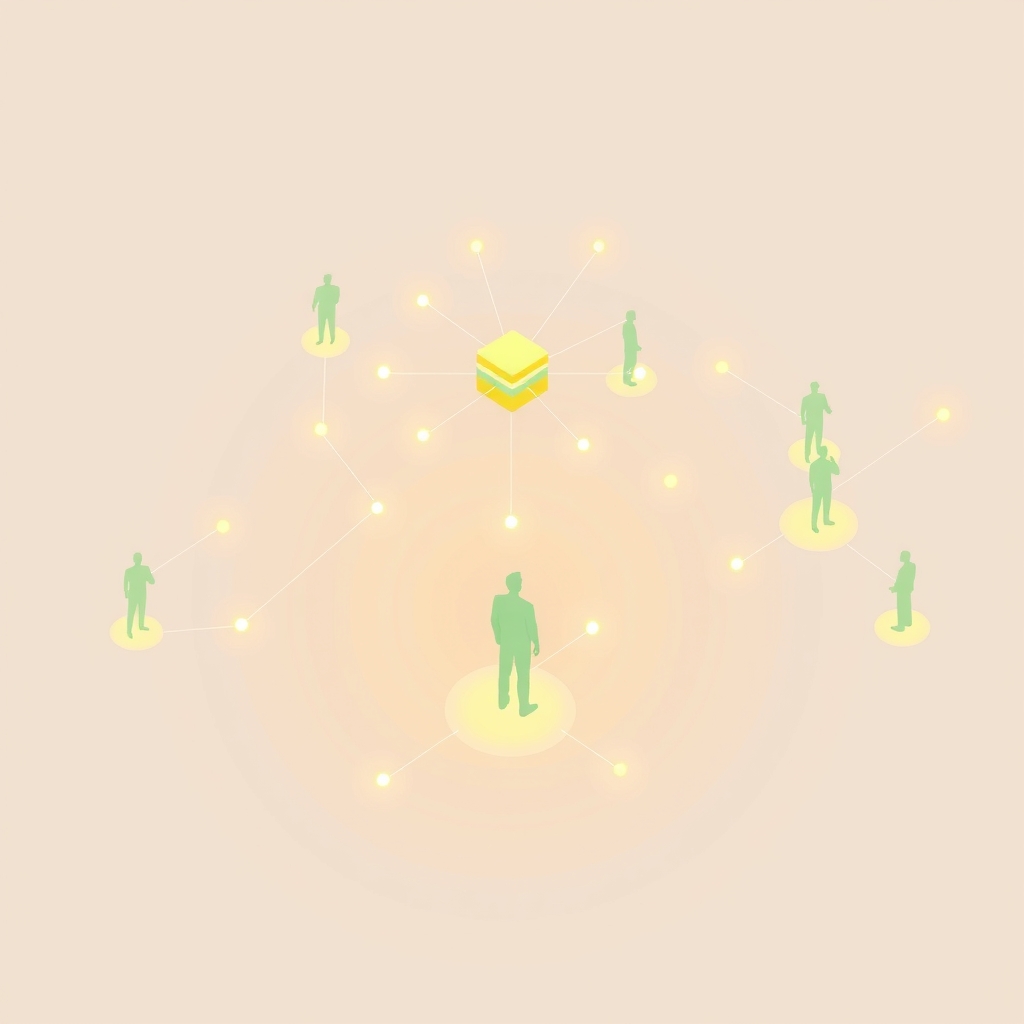
On November 12, 2026, Google and Cursor unveiled competing strategies to manage multiple AI coding agents simultaneously. Google introduced Swarm within its Antigravity platform to organize agents for a single developer, while Cursor launched multiplayer functionality for its Projects feature to enable coordination between agents working for different team members. These releases address the growing chaos that occurs when parallel AI workers duplicate efforts or conflict with each other’s changes.
What happened
Coding agents have become proficient at parallel tasks, such as writing API endpoints, updating tests, and fixing bugs concurrently. However, without proper coordination, these agents often trip over each other, leading to duplicated work and integration errors that require significant human intervention. To solve this, major AI labs and toolmakers are developing methods to bring order to agent fleets, with Google and Cursor taking distinct approaches on the same day.
Cursor, acquired by SpaceX for $60 billion in August 2026, expanded its Projects feature with multiplayer capabilities. Previously, Projects allowed a single developer to delegate large jobs to a coordinator agent that split tasks among worker agents. The new update enables developers to invite teammates into a project, where each person retains their own coordinator and workers. These coordinators can message each other directly to share plans, flag overlaps, and agree on execution order, such as determining which database schema change must land first.
Simultaneously, Google rolled out Gemini 4 Carbon in Antigravity, its consolidated coding tool platform, alongside a preview of Swarm. This feature allows a single developer to assign one complex task to a coordinator, which then splits the work among multiple worker agents and assigns a verifier to check the results. Workers communicate on a shared board to coordinate changes, such as updating authentication middleware and token verifiers in separate Git worktrees before handing them off for testing.
How it works
The core distinction lies in the scope of coordination. Google’s Swarm focuses on intra-developer coordination, splitting a single assignment among many agents that talk to each other to ensure their individual contributions fit together. Varun Mohan, director of software engineering at Google DeepMind, noted that internal staff are already using swarms of hundreds of agents to build large systems from a single prompt.
Cursor’s approach targets inter-team coordination. In multiplayer Projects, agents belonging to different humans collaborate across separate assignments. Coordinators exchange messages to align on shared resources and dependencies, aiming to reduce the manual coordination burden on developers. Parker Smith, an engineer at SpaceXSI, stated that this allows agents to grab necessary context from coworkers’ agents without blocking progress or requiring human mediation.
Key details
- Google’s Swarm is available in preview for Google AI Pro and Ultra subscribers.
- Cursor’s multiplayer Projects is currently in beta for users on a team account.
- Swarm uses a coordinator-worker-verifier model where workers message each other on a shared board.
- Cursor coordinators treat messages from teammates’ agents as untrusted input and ask permission before sharing private files.
- Anthropic’s research indicates that groups of per-user agents can perform 10 to 45 percentage points worse than single-agent setups in shared resource environments.
- GitHub Copilot and AWS Kiro Crew also offer multi-agent or cross-repository task distribution features.
Why it matters
For software engineering leads and technical founders, these tools represent a shift from individual AI assistance to team-wide automation. The ability for agents to coordinate across team boundaries promises faster development cycles by removing human bottlenecks in context sharing. However, it also introduces new risks regarding error propagation and security. If one agent makes a mistake, multiplayer systems could potentially spread that error across the entire team’s workflow if not properly contained.
Security and governance become critical as agents gain autonomy. Cursor addresses this by isolating secrets and credentials in separate chats and treating external agent messages as untrusted. Yet, questions remain about role-based access control for agent exchanges. Teams must establish shared rules and skills to ensure consistency, as differing agent behaviors could lead to conflicts or unsupported claims about user intent, as highlighted by recent Anthropic research.
What you can do
- Evaluate whether your team’s workflows benefit more from single-developer agent scaling or cross-team coordination.
- Define shared rules and skills for your AI agents to prevent inconsistent behaviors in multiplayer environments.
- Review security protocols to ensure agents do not inadvertently share sensitive credentials or private files.
- Monitor agent interactions for error propagation, especially when multiple agents access shared resources like code merge queues.
- Test small-scale multiplayer projects to identify potential blockers before rolling out to larger teams.
- Stay updated on governance features, as current documentation may not fully address role-based access for agent-to-agent communication.