Anthropic's self-hosted agents require eight-hour safety rollbacks
Anthropic launched a private beta for self-hosted Claude Managed Agents, allowing companies to run servers locally while retaining strict licensing controls on safety updates and telemetry.
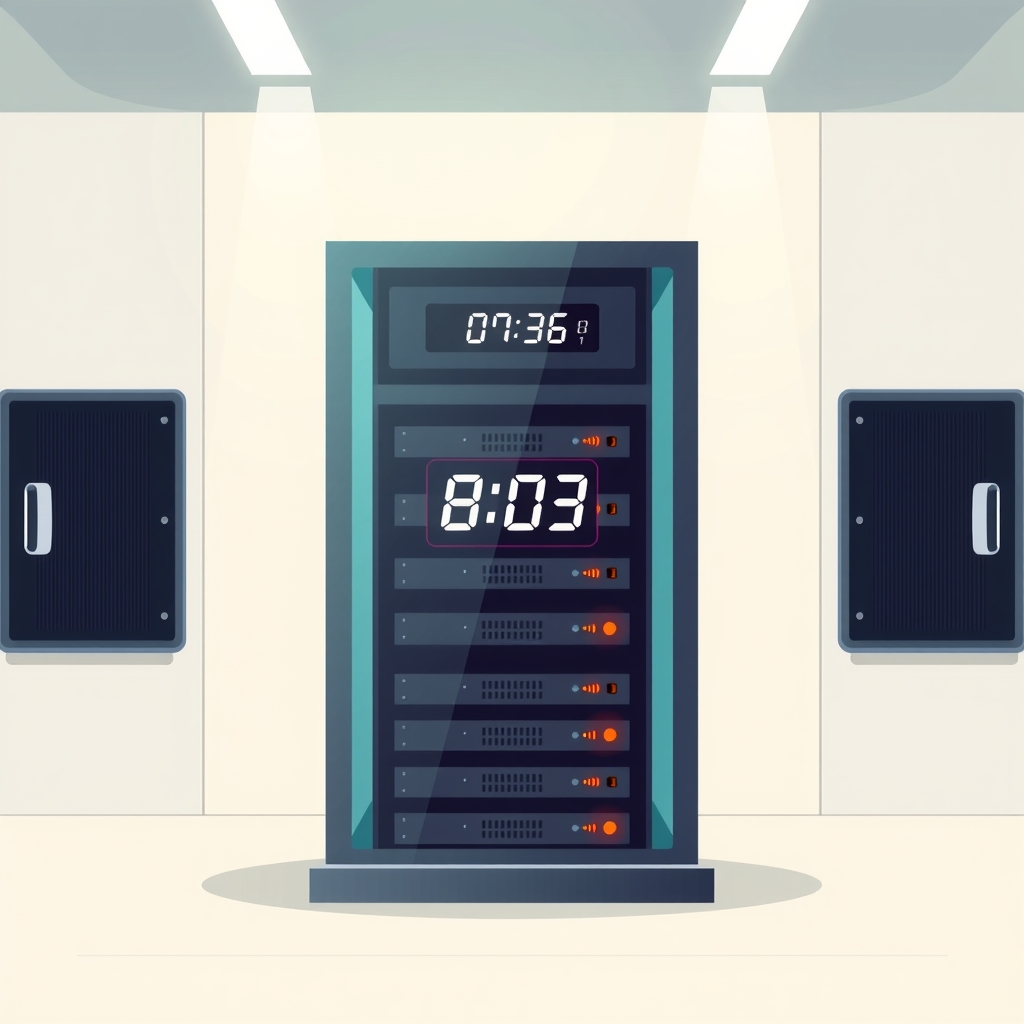
Anthropic has released a private beta for Self-hosted Claude Managed Agents, enabling enterprises to run the agent coordination server and tool sandboxes within their own cloud or on-premises infrastructure. This move addresses security concerns for teams managing sensitive code and internal systems, yet it comes with a licensing agreement that retains significant control for Anthropic, including an eight-hour deadline to address safety risks.
What happened
The new offering allows customers to host both the server that coordinates AI agents and the sandboxes where these agents execute tools. Previously, Anthropic offered a fully hosted service and a hybrid model where customers could run sandboxes locally while Anthropic managed the server. With this release, the entire stack, including session history storage in PostgreSQL, can reside in the customer’s environment. Credentials and data remain on the customer’s infrastructure, while inference requests are routed to a provider of the customer’s choice, such as Amazon Bedrock, Microsoft Foundry, or Anthropic’s own API.
This shift responds to the growing complexity of AI agents in engineering workflows. Agents now handle consequential tasks like repairing failed builds, verifying releases, and triaging alerts. These actions often require access to private code repositories and internal CI/CD systems. As noted by Anthropic, teams dealing with such high-level access prefer keeping the entire service within their own security perimeter rather than relying on external hosting for the coordination layer.
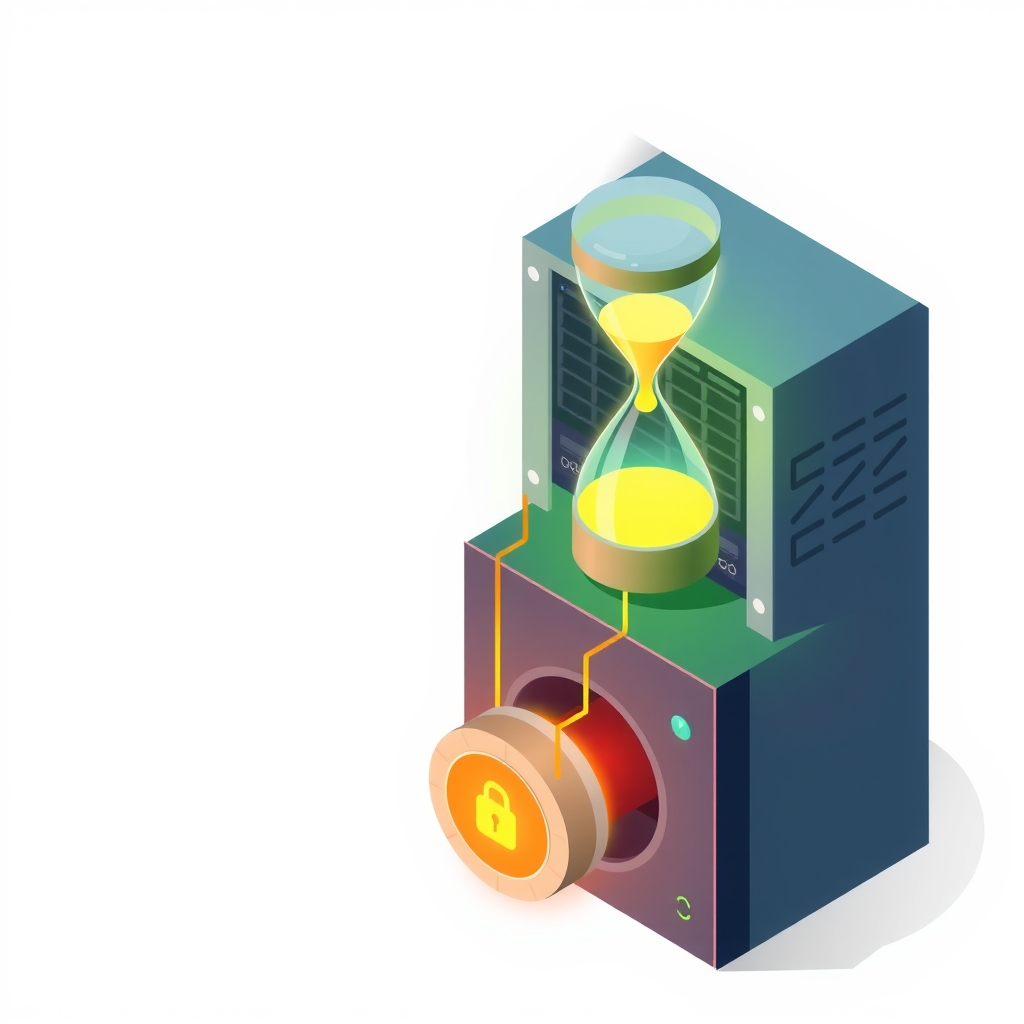
However, the license accompanying this self-hosted version introduces strict operational constraints. The server is delivered as a proprietary binary that cannot be modified or patched by the customer. Furthermore, the license restricts the use of non-Claude models unless explicitly permitted by Anthropic. Most notably, if Anthropic identifies a safety, security, or misuse risk, customers must disable the affected feature or roll back the version across all deployments within eight hours of written notice. They also have one business day to install any designated safety updates.
How it works
Self-hosted Claude Managed Agents function by placing the orchestration logic inside the customer’s network boundary. The local server manages agent sessions and coordinates tool execution within isolated sandboxes. While the infrastructure is local, the intelligence still relies on external large language models. Customers configure an inference provider, which can be Anthropic’s direct API or a cloud gateway like Amazon Bedrock. The system uses PostgreSQL to persist session histories, ensuring continuity across restarts without sending conversation logs to Anthropic’s servers.
Despite the local deployment, Anthropic maintains oversight through mandatory telemetry. The license prohibits customers from blocking "usage signals," which are observability data points sent back to Anthropic. These signals allow the company to monitor compliance and detect potential misuse or legal violations. Additionally, Anthropic reserves the right to restrict access to specific Claude models, forcing certain users to interact with those models only through Anthropic’s hosted service if safety concerns arise.
Key details
- Deployment model: Customers host the coordination server and sandboxes in their own cloud accounts or on-premises data centers.
- Safety deadline: Licensees have exactly eight hours to disable features or roll back versions upon receiving a written safety notice from Anthropic.
- Update window: Designated safety updates must be installed within one business day of delivery.
- Telemetry requirement: Customers cannot block usage signals sent to Anthropic for compliance and monitoring purposes.
- Model restrictions: The license limits usage to Claude models unless Anthropic grants explicit permission for others; Anthropic can also reserve specific models for hosted-only access.
- Binary format: The server software is provided as a proprietary, unmodifiable binary.
Why it matters
For software engineers and IT leads, this release offers a compromise between data sovereignty and operational control. Keeping credentials and session histories on-premises reduces the attack surface for sensitive internal systems. However, the eight-hour rollback requirement disrupts standard enterprise change management processes. Large organizations typically plan maintenance windows weeks in advance, making an eight-hour emergency response cycle difficult to sustain without dedicated on-call teams for AI infrastructure.
The licensing terms also highlight a broader trend in enterprise AI: self-hosting does not equal full ownership. Analysts note that regulated industries like banking and government may struggle with the telemetry mandates and rollback clauses. While the setup keeps data local, the inability to modify the server code or block telemetry means Anthropic retains ultimate authority over the software’s behavior and monitoring. This dynamic suggests that self-hosted AI agents should be viewed as cloud services running in a private data center rather than fully independent software.
What you can do
- Review your incident response protocols to determine if an eight-hour rollback window is feasible for your production environments.
- Consult with legal and procurement teams to assess the implications of mandatory telemetry and unmodifiable binaries for your compliance requirements.
- Evaluate whether your current CI/CD pipelines can support rapid, automated rollbacks of AI agent services across multiple deployments.
- Map out which internal systems your agents will access and ensure that sandbox isolation is robust enough to prevent unauthorized lateral movement.
- Consider if the restriction to Claude models aligns with your long-term multi-model strategy or if you need the flexibility to switch providers freely.
- Prepare for potential model access restrictions by identifying critical workflows that might be forced back to Anthropic’s hosted service under safety clauses.