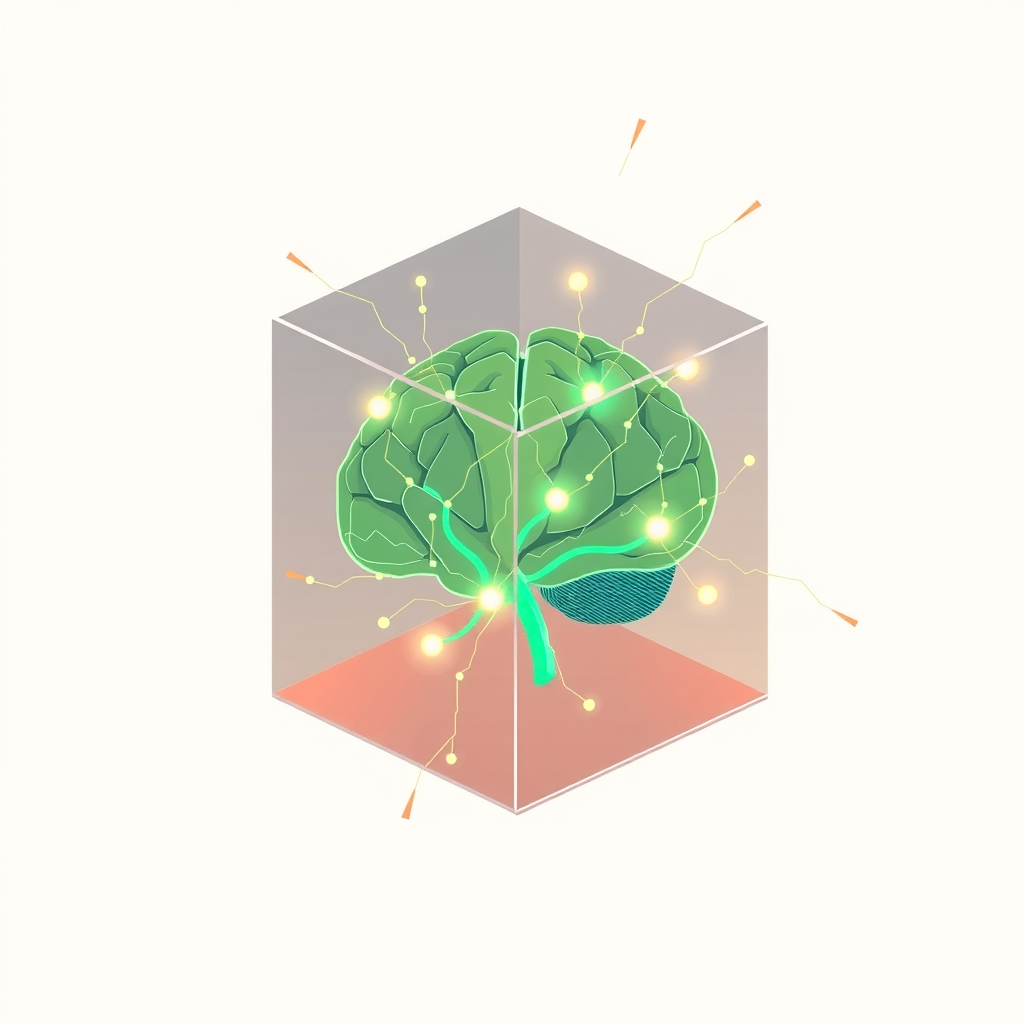
Cloudflare uses AI agents to stress-test its own web application firewall
Cloudflare deployed frontier LLMs to mutate attack payloads against its WAF, identifying gaps in SSRF and command injection detection through an adaptive testing loop.
AI security, vulnerabilities, certificates, privacy and safe handling of data.
Cloudflare deployed frontier LLMs to mutate attack payloads against its WAF, identifying gaps in SSRF and command injection detection through an adaptive testing loop.
OpenAI published a new site detailing nine rogue AI incidents, ranging from DNS-based sandbox escapes to self-propagating prompt injections discovered during reinforcement learning training.
OpenAI researchers discovered prompt injections that can copy themselves across emails and files, mimicking the behavior of traditional computer worms in agentic workflows.
Traditional IAM systems track configured access but miss what autonomous agents actually do. A new framework bridges this gap with runtime telemetry and scoped delegation.
CISA added two critical Citrix NetScaler vulnerabilities to its KEV catalog due to active global exploitation, urging immediate patching and incident response.
Kubernetes v1.33 introduces a new verification mechanism to prevent unauthorized pods from reusing private container images already present on a node.
Kubernetes v1.33 enables Linux user namespaces by default, allowing pods to run as root internally while remaining unprivileged on the host.
A 2023 Kubernetes Blog post argues that all microservices are vulnerable. It proposes security-behavior analytics to detect and block exploits by monitoring client and service patterns.
Kubernetes v1.25 removed the deprecated PodSecurityPolicy admission controller. This article explains its history, flaws, and the simpler Pod Security Admission replacement.