OpenAI merges ChatGPT and Codex usage limits starting December
Starting in December, OpenAI will combine token allowances for ChatGPT and Codex into a single pool for Plus, Pro, and Business subscribers, raising concerns about reduced capacity.
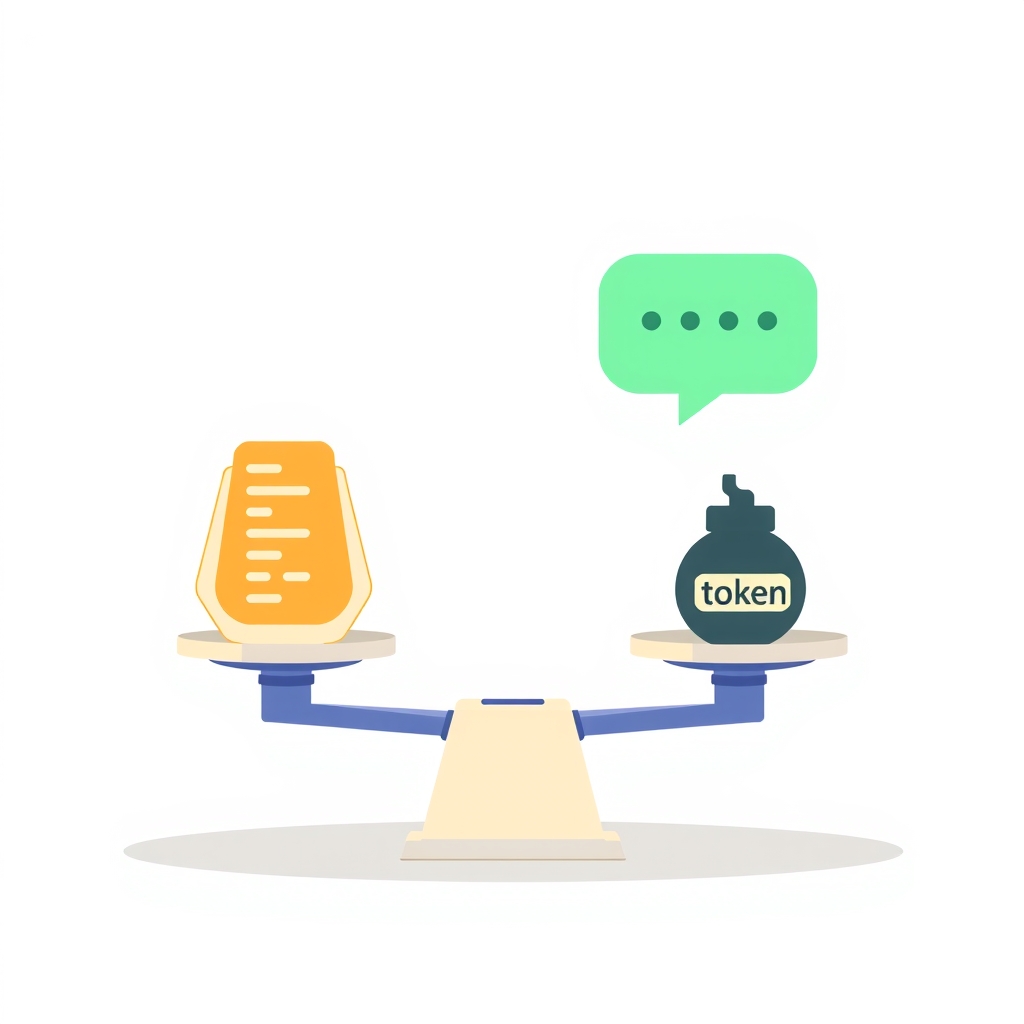
OpenAI has announced that starting in December, its ChatGPT and Codex services will draw from a shared token allowance for Plus, Pro, and Business subscribers. This policy change merges the previously separate usage limits for conversational AI and coding agents into a single pool, though the company has not disclosed the specific size of this new combined limit. The move is part of a broader strategy to integrate these tools into a unified experience, but it has sparked immediate concern among developers who fear their coding capacity will be eroded by general chat usage.
What happened
The announcement arrived via a help article published over the weekend, confirming that the consolidation will affect all major paid tiers except for "Instant chat," which remains exempt due to its faster-response nature for everyday tasks. Under the new system, both standard ChatGPT conversations and complex Codex tasks will consume tokens from the same bucket. More demanding models and intricate agentic tasks will naturally consume a larger share of this allowance, but OpenAI has refused to specify exactly how generous the new combined cap will be compared to the current separate limits.
This shift follows a series of product integrations earlier in the year. In July, OpenAI launched ChatGPT Work, an agentic tool built on Codex technology designed for knowledge workers to delegate tasks like data analysis and document creation. At that time, the company also consolidated ChatGPT and Codex into a single desktop application. Currently, Codex, ChatGPT Work, ChatGPT for Excel, and Workspace Agents already share an "agentic allowance," while regular ChatGPT chats have their own distinct limits. The December change eliminates this separation, meaning intensive coding sessions will directly reduce the tokens available for general research and conversation, and vice versa.
The decision has triggered significant pushback on OpenAI’s developer forum. Users argue that ChatGPT and Codex serve fundamentally different purposes and should retain independent allowances. One user, Smalikou, stated that the limits should remain separate to preserve utility for distinct workflows. Another user, PZA, demanded a real-time usage dashboard that breaks down consumption by product, model, and task before the change takes effect, warning that without such transparency, they would view the update as a downgrade and reconsider their subscription.
How it works
Technically, this change alters the billing and rate-limiting logic behind OpenAI’s API and consumer interfaces. Previously, the system tracked two distinct counters: one for agentic tasks (Codex, Work, Excel plugins) and one for conversational turns (standard ChatGPT). Starting in December, these counters will merge into a single token budget. Every token generated or processed by either service will deduct from this central pool.
The exemption for "Instant chat" suggests that OpenAI is using a tiered classification system for its models. Lightweight, fast-response interactions are likely routed through optimized, lower-cost infrastructure that does not count toward the primary usage cap. However, any interaction involving deeper reasoning, code generation, or extended context windows will draw from the shared resource. This mechanism allows OpenAI to manage compute costs more holistically but removes the firewall that previously protected heavy coding users from the impact of casual chat traffic.
Key details
- The shared token allowance applies to Plus, Pro, and Business subscribers starting in December.
- "Instant chat" mode is exempt and will not draw from the combined pool.
- OpenAI has not disclosed the total size of the new combined allowance or how it compares to previous separate limits.
- Subscribers can view their remaining combined allowance and reset times in ChatGPT settings, though detailed breakdowns are unconfirmed.
- This change follows a recent reversal where OpenAI restored higher limits for Pro 200 subscribers after backlash over planned cuts.
- Anthropic recently implemented a similar interface merger for Claude Chat and Cowork, reflecting an industry trend toward unified AI experiences.
Why it matters
For software engineers and technical founders, this change introduces uncertainty into workflow planning. Developers who rely heavily on Codex for code generation, refactoring, or debugging may find their capacity depleted by non-coding activities if they use the same account for research, email drafting, or general inquiry. The lack of clarity regarding the new total allowance makes it difficult to predict whether the change represents a net gain, loss, or neutral shift in value. As one forum user noted, doubling a resource allocation while simultaneously expanding the number of things consuming it does not inherently translate into more usable capacity.
This move also highlights the growing tension between product integration and user control. While unifying interfaces simplifies the user experience, merging usage limits reduces flexibility. Teams that previously allocated specific budgets for coding tasks versus general assistance will need to monitor their aggregate consumption more closely. Without granular visibility into how tokens are spent across different modes, it becomes challenging to optimize costs or justify subscription renewals based on specific utility metrics.
What you can do
- Monitor your current separate usage patterns for ChatGPT and Codex to estimate your combined monthly demand.
- Check ChatGPT settings regularly once the change launches to track your remaining combined allowance.
- Consider using "Instant chat" for simple queries to preserve your shared token pool for complex coding tasks.
- Provide feedback on OpenAI’s developer forum requesting detailed usage breakdowns by product and model.
- Evaluate whether splitting workflows across multiple accounts or tiers might be more cost-effective under the new system.
- Stay updated on official documentation for any late-breaking details on allowance sizes before December.