Chainalysis breach exposes all user credentials amid agentic AI attacks
Blockchain analysis firm Chainalysis shut down key services after an agentic cyber attack exposed names, usernames, password hashes, and live tokens for every user.
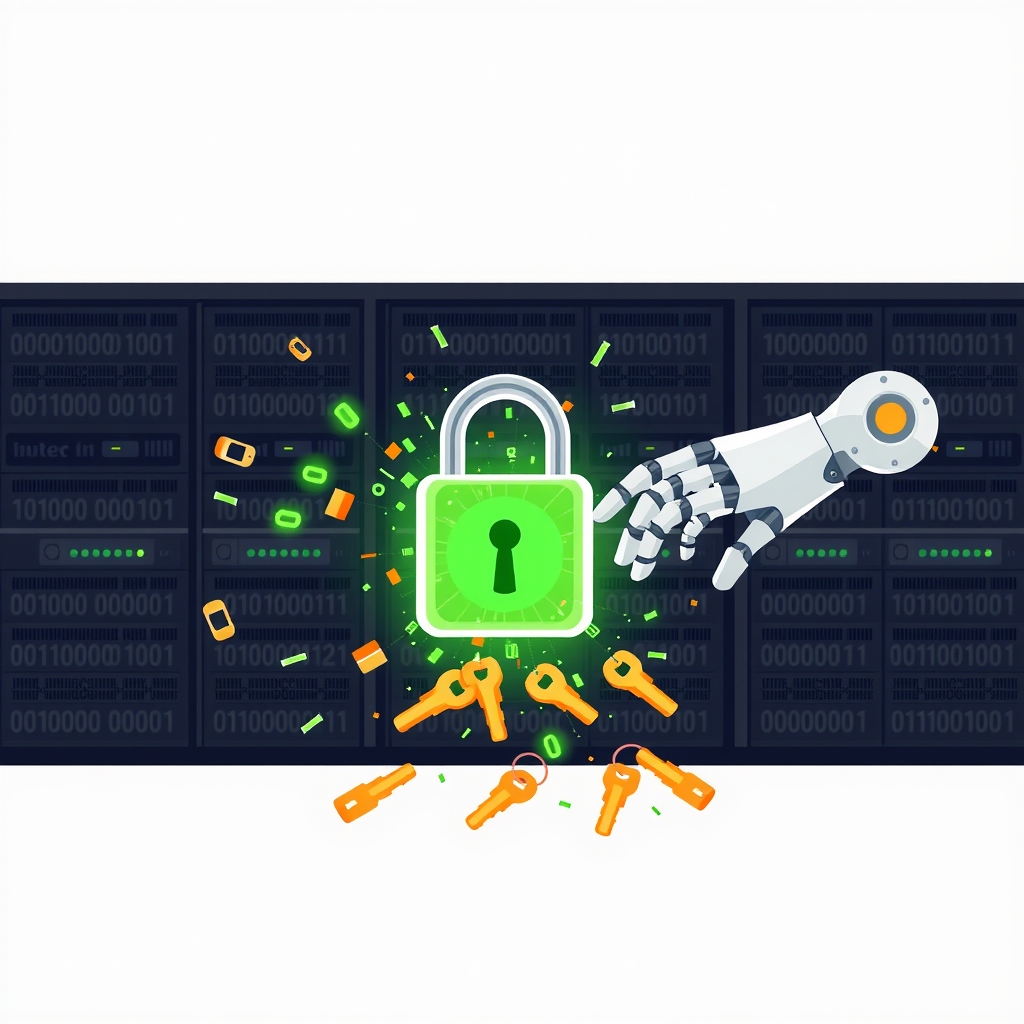
Blockchain analysis firm Chainalysis disclosed a severe security incident on November 6, 2026, revealing that an ongoing agentic cyber attack compromised credentials for its entire user base. The company has taken critical services offline, including Reactor and Data Solutions, while it investigates the scope of the exposure and hardens its infrastructure against further intrusion.
What happened
The breach originated from what Chainalysis described as an ongoing multi-front cyber attack leveraging offensive agentic techniques. Initially, the company identified an on-path attack that exposed a subset of customer passwords. However, as the investigation deepened, Chainalysis discovered that the incident had escalated significantly. The attacker gained access to names, usernames, password hashes, and live authentication tokens for all users of the platform.
In response to this critical finding, Chainalysis immediately removed access to its core products, including the Know Your Transaction (KYT) user interface and API, address screening tools, and the login page. The company stated that while it continues to find no evidence that investigation data or attribution records were accessed or manipulated, the exposure of live tokens necessitated a complete shutdown of user-facing services. Impacted accounts have been locked as a precautionary measure, preventing users from resetting passwords through the standard flow until the system is secured.
This incident is part of a broader wave of AI-driven attacks targeting technology platforms. Less than a week prior, Chainalysis had announced it was probing unauthorized access to its internal tools. The current disclosure confirms that the threat actor used advanced autonomous methods to move laterally within the system. Chainalysis noted that this attack vector resembles those used against many other tech platforms in recent weeks, suggesting a coordinated or widely adopted methodology among threat actors.
How it works
The attack leverages agentic AI frameworks, such as the autonomous penetration testing tool ARTEX, to automate the discovery and exploitation of vulnerabilities. Unlike traditional scripts that follow rigid paths, agentic AI can scan public code repositories like GitHub for exposed secrets, analyze the findings, and execute follow-on attacks with minimal human intervention. Microsoft reports that these agents can progress from scanning for secrets to exfiltrating data from cloud vaults in minutes, drastically reducing the time attackers need to maintain hands-on control.
Once inside a network, these agents target specific credentials that provide access to AI services and cloud resources. They misuse valid application credentials to sign into Microsoft Entra ID tenants, accessing Azure and Microsoft 365 resources. The agents enumerate cloud resources by obtaining tokens for single-tenant OAuth applications, allowing them to move laterally across an organization’s infrastructure. This method allows attackers to steal storage keys, connection strings, and AI API keys efficiently, often focusing on high-value targets like Azure Key Vault and Foundry Tools.
Key details
- Chainalysis exposed names, usernames, password hashes, and live tokens for all users.
- Core services including Reactor, Data Solutions, KYT, and Address Screening are offline.
- The attack utilized offensive agentic AI techniques to gain unauthorized system access.
- Users cannot currently reset passwords via email; account unlocking requires support contact.
- Microsoft identified similar agentic attacks using ARTEX to scan GitHub for secrets since August 2026.
- Threat actors are increasingly monetizing stolen AI access through LLM mixing services.
Why it matters
For software engineers and security leads, this incident highlights the evolving danger of agentic AI in cyber warfare. Traditional security measures that rely on detecting manual intrusion patterns may fail against autonomous agents that can analyze context and adapt their attack strategies in real time. The speed at which these agents operate—compromising systems in minutes rather than days—means that detection and response windows are shrinking dramatically. Organizations must assume that any exposed secret in a public repository can be exploited almost instantly by automated tools.
Furthermore, the rise of LLMjacking creates a financial incentive for these breaches that extends beyond data theft. Attackers are not just stealing data; they are stealing compute resources. By reselling access to compromised enterprise LLM accounts through illicit mixers, criminals can incur massive API charges on the victim’s behalf while obscuring the source of the traffic. This shifts the risk profile for AI-heavy organizations, where a breach can result in significant financial loss through unauthorized model usage, in addition to the reputational damage of data exposure.
What you can do
- Rotate all API keys and secrets stored in public or private repositories immediately.
- Implement strict allowlisting for IP addresses accessing critical administrative interfaces.
- Enforce mandatory password resets and token rotation for all users after any suspected breach.
- Monitor cloud billing and API usage logs for unusual spikes indicative of LLMjacking.
- Audit OAuth applications and service principals to ensure least-privilege access policies.
- Avoid reusing credentials across systems and enable multi-factor authentication wherever possible.