Google's Suncatcher satellite runs AI inference in orbit
Google has activated its first space data center prototype, running Gemma 4 on a TPU to test radiation effects and orbital inference capabilities.
この記事は英語版のみ利用可能です。
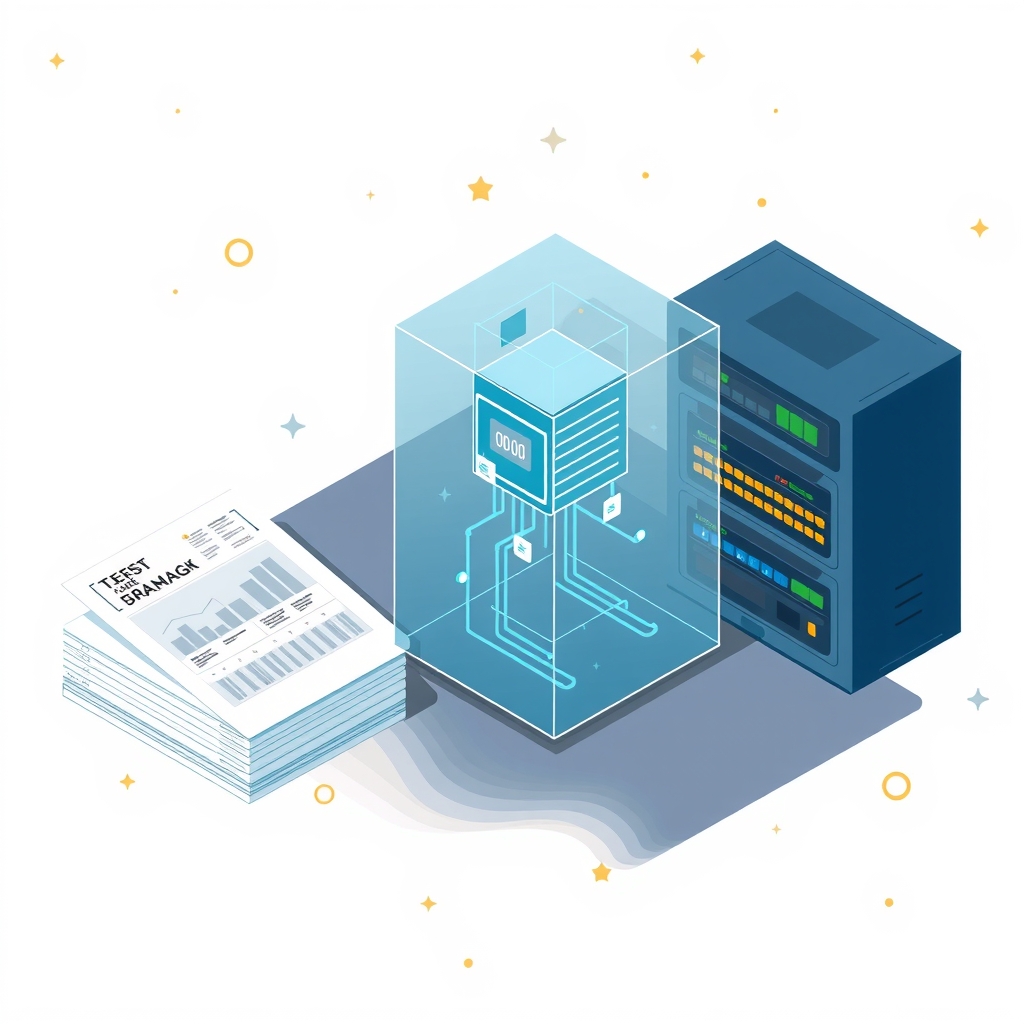
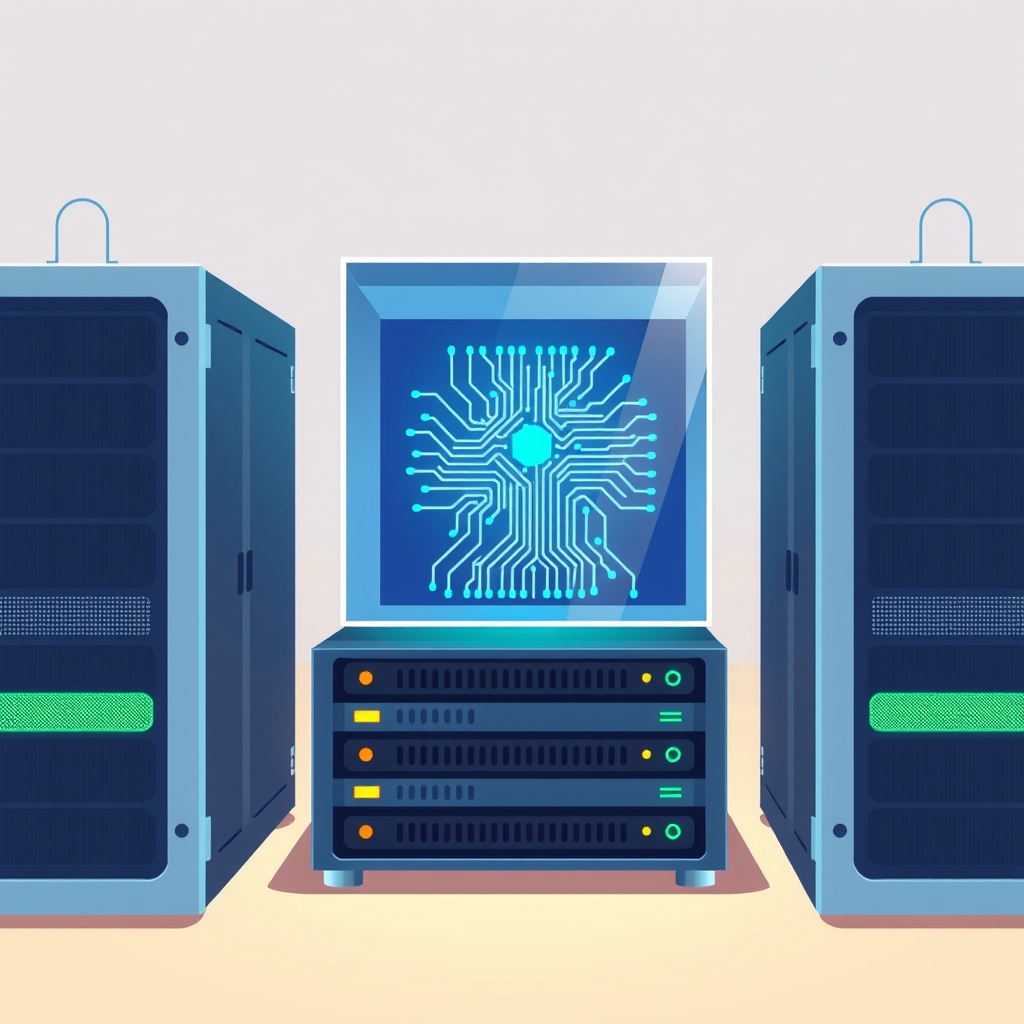
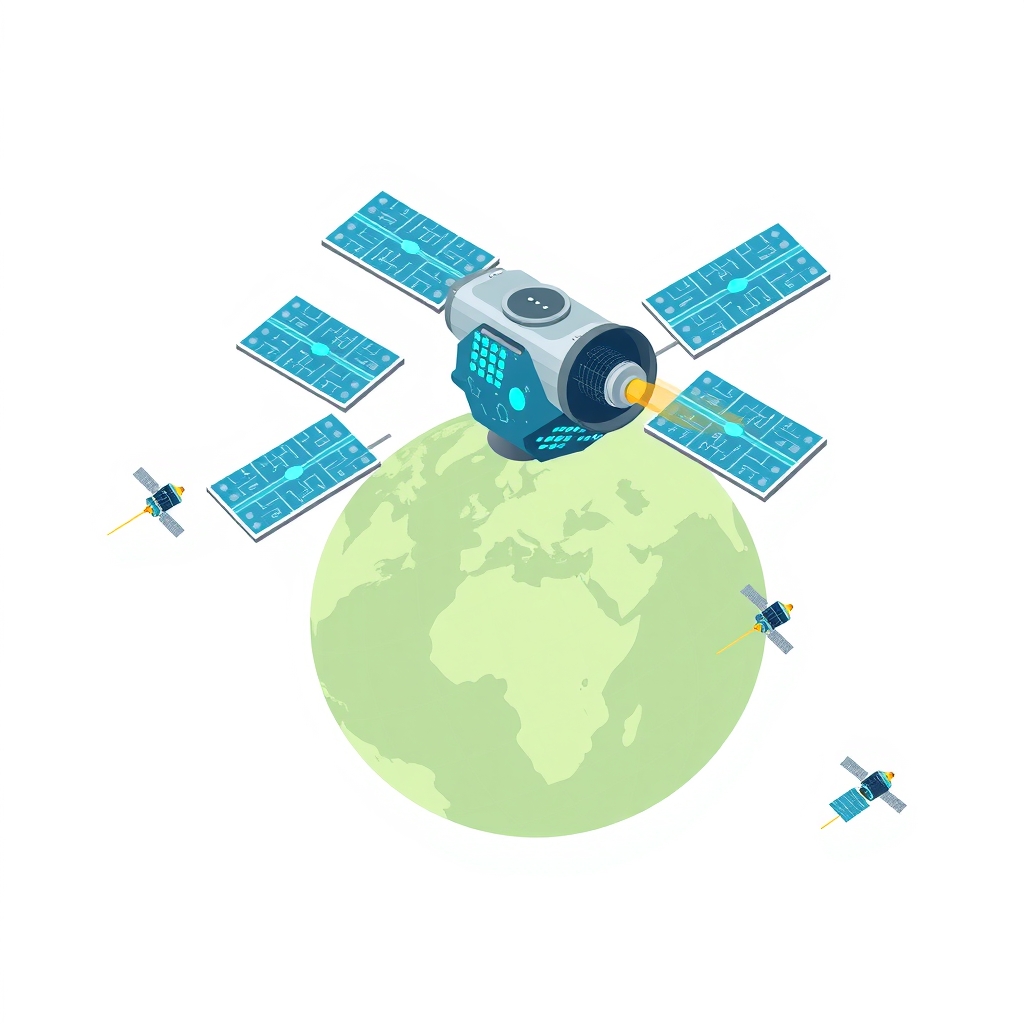
Google’s Suncatcher prototype satellite is now online and communicating with ground stations after launching earlier this month on a SpaceX Falcon 9 rocket. The spacecraft carries four Tensor Processing Units (TPUs) and successfully executed an AI model pre-loaded with Google DeepMind’s Gemma 4, marking the first step toward orbital data centers.
What happened
The satellite launched alongside more than 100 other spacecraft and underwent a three-week commissioning process to verify its subsystems. Once cleared for operation, engineers on the ground sent a prompt asking the onboard model to write a haiku about being in space. The resulting poem, "Blue marble below / Data streams in silent grace / Starlight feeds my core," confirmed that the software stack was functional and responsive.
Beyond creative writing tests, the team used the satellite to report on local orbital conditions. A spokesperson stated that the hardware is operating nominally. This initial success validates the basic architecture of placing compute resources in low Earth orbit, though current power constraints limit continuous operation. The satellite generates up to 1 kW of electricity, which is insufficient to run all four TPUs simultaneously.
Currently, the power demands allow only one TPU to operate for approximately 20 minutes at a time. This limitation complicates space-to-ground communications and restricts the duration of active inference workloads. Despite these constraints, the mission proceeds as planned, serving as a proof of concept for future networks of close-flying satellites designed to handle larger distributed tasks.
How it works
The core technical challenge for space-based computing is radiation. High-energy particles can cause "bit flips" in computer memory, changing stored values and corrupting data without triggering standard monitoring tools. While Google has tested its TPUs in particle accelerators on Earth, real-world space environments present unique variables that simulations cannot fully replicate. The ongoing test campaign focuses on observing how thermal stress and actual space radiation affect processor stability during inference tasks.
Ground testing suggested that radiation impacts would be minimal for inference workloads compared to model training. However, empirical data from orbit is necessary to confirm these assumptions. By running Gemma 4 in this harsh environment, Google aims to quantify error rates and develop mitigation strategies for future hardware iterations. This data will inform the design of more robust chips capable of sustaining longer operational windows.
The long-term vision involves creating a mesh network of satellites linked by high-speed optical connections. Unlike other proposals that rely on individual satellite processing or orbits too distant for effective sharing, Suncatcher plans for coherent distributed workloads. This approach requires precise coordination and low-latency links between spacecraft, enabling them to function as a single, massive data center floating above the atmosphere.
Key details
- The Suncatcher prototype carries four Google TPUs but can only power one at a time due to a 1 kW energy limit.
- The onboard AI model is Google DeepMind’s Gemma 4, which was prompted to generate poetry and report orbital data.
- Radiation-induced bit flips are a primary concern, potentially corrupting memory without alerting standard monitoring systems.
- Future missions planned for 2027 will include two additional satellites with higher power generation and inter-satellite optical links.
- SpaceX’s Starship rocket is considered essential for the economic viability of these orbital data centers due to its reusability.
- Alphabet holds a significant investment stake in SpaceX, aligning the infrastructure goals of both companies.
Why it matters
For software engineers and infrastructure architects, this development signals a potential shift in where compute resources reside. If orbital data centers become viable, they could offer low-latency processing for global applications without the land and cooling constraints of terrestrial facilities. However, the current power limitations highlight the severe engineering trade-offs required to operate high-performance chips in space. Developers building AI systems must consider how hardware reliability changes when removed from controlled data center environments.
The project also underscores the dependency on heavy-lift launch capabilities. The economic model for space-based compute relies on frequent, low-cost launches, specifically citing the need for SpaceX to fly Starship 1,800 times to achieve necessary cost reductions. This ties the future of cloud infrastructure directly to the success of next-generation aerospace engineering. Until launch costs drop significantly, orbital compute will remain a niche experimental field rather than a mainstream deployment option.
Additionally, the distinction between inference and training in radiation environments is critical. If inference proves resilient while training remains vulnerable, we may see a hybrid model where models are trained on Earth and deployed to orbit for execution. This separation of concerns could redefine MLOps pipelines, requiring new tools for deploying and monitoring models in non-terrestrial environments.
What you can do
- Monitor research papers on radiation-hardened computing to understand emerging standards for space-grade hardware.
- Evaluate the latency benefits of edge computing versus potential future orbital nodes for your specific use cases.
- Study the power constraints of embedded AI systems to better appreciate the efficiency challenges in restricted environments.
- Keep track of SpaceX Starship development milestones, as launch frequency directly impacts the feasibility of orbital infrastructure.
- Experiment with lightweight models like Gemma to understand optimization techniques relevant to power-constrained deployments.
- Review error-handling strategies for distributed systems to prepare for higher noise floors in unconventional compute environments.