Nvidia CEO Jensen Huang linked to alleged Chinese spy in export control controversy
US officials allege Nvidia CEO Jensen Huang had a personal relationship with an executive believed to be a Chinese intelligence asset, raising national security concerns.
英語の原文から自動翻訳されました。
Nvidia CEO Jensen Huang is facing intense scrutiny after reports revealed a personal relationship with Alice Huang, an executive at Singapore-based cloud provider Megaspeed who US officials believe is a Chinese intelligence asset. The revelation has sparked an independent investigation by Nvidia’s board and raised questions about whether the affair influenced Huang’s lobbying efforts to loosen US export controls on advanced AI chips to China.
What happened
The controversy centers on allegations that Alice Huang, who is not related to Jensen Huang, used her position at Megaspeed to gather sensitive information for the Chinese government. According to The New York Times, US intelligence agencies have been surveilling her for months, identifying her as an operative connected to a network of Chinese companies attempting to bulk-purchase Nvidia chips, potentially for illegal re-export to China. Megaspeed’s sister company in Malaysia reportedly spent over $4.8 billion on Nvidia technology between June 2024 and February 2026, a volume considered abnormal for its size.
Jensen Huang’s interactions with Alice Huang evolved from professional meetings to a personal affair. Photos from June 2024 show them together at a bar in Taipei, and they attended business dinners together in May 2025. These encounters coincided with Huang’s aggressive lobbying of the Trump administration to relax restrictions on selling advanced semiconductors to China. In July 2025, shortly after a dinner in Taipei, Huang met with President Trump in the Oval Office to argue that allowing sales would establish US technology as the global standard. Days later, the administration approved sales of Nvidia’s H20 chips to China.
Despite a classified memo circulated in May 2025 warning of Alice Huang’s ties to China’s Ministry of State Security, President Trump continued to engage with Jensen Huang. Trump even invited Huang to join his trip to China, despite being briefed on the intelligence concerns a year prior. Trump has publicly defended Huang, stating he believes the CEO is honorable and that dealing with various individuals is part of business. Meanwhile, Huang issued an internal apology to employees and family for being unfaithful to his wife but maintained his commitment to leading Nvidia.
How it works
The core mechanism of concern here is human intelligence gathering, or HUMINT, targeted at high-value corporate leaders. By establishing a close personal relationship with Jensen Huang, the alleged operative could gain access to non-public information regarding US government deliberations on export controls. This includes insights into which companies are prioritized for chip allocations, upcoming product roadmaps, and the internal stance of the White House on trade policy.
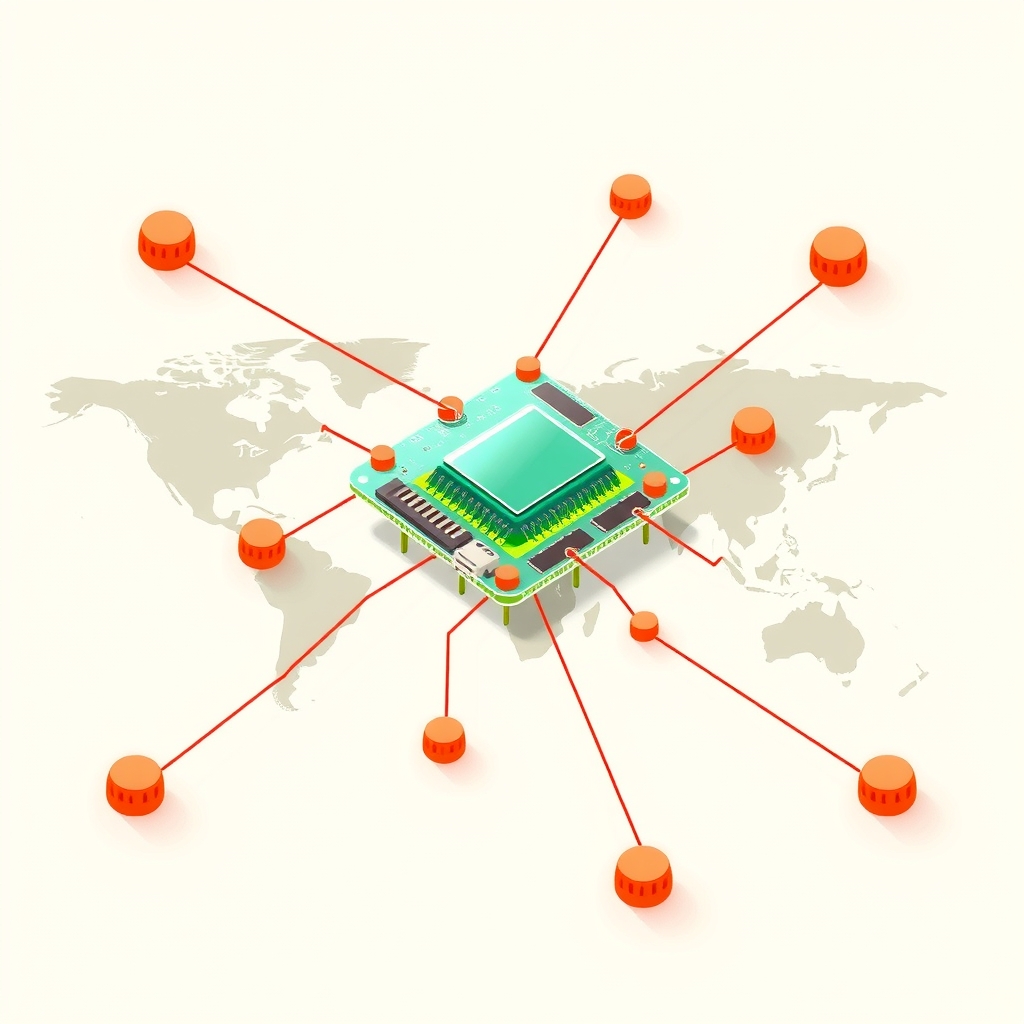
Megaspeed acts as a potential conduit in this scheme. As a top Nvidia customer and cloud provider, it legally purchases large quantities of hardware. Intelligence analysts suspect that such entities can serve as front organizations, buying chips under the guise of legitimate cloud infrastructure needs before diverting them to restricted markets like China. The sheer volume of purchases—$4.8 billion in less than two years—suggests a capacity to absorb supply that far exceeds typical market behavior for a company of its reported stature.
Key details
- Alice Huang is an executive at Megaspeed, a Singapore-based cloud provider and major Nvidia customer.
- US officials believe Alice Huang is an intelligence asset for the Chinese government.
- Megaspeed’s sister company in Malaysia spent over $4.8 billion on Nvidia chips from June 2024 to February 2026.
- Jensen Huang lobbied the Trump administration to loosen export controls, resulting in approval for H20 chip sales to China in July 2025.
- A classified memo warning of Alice Huang’s connections was circulated among Trump officials in May 2025.
- Nvidia’s board has launched an independent investigation, though Huang remains CEO during the process.
Why it matters
For software developers and AI engineers, this story highlights the fragility of the supply chain that powers modern AI development. Nvidia’s chips are the bedrock of the industry, and any disruption to their availability or legality could stall projects worldwide. If the investigation leads to stricter sanctions or a revocation of the H20 sales approval, it could tighten the already constrained supply of compute resources, driving up costs for startups and enterprises alike.
Furthermore, this incident underscores the intersection of corporate governance and national security. As AI becomes a strategic asset, CEOs of key infrastructure providers are no longer just business leaders but de facto diplomatic actors. Their personal conduct and relationships can have direct implications on trade policy and international relations. For technical founders, this serves as a reminder that vendor risk management now extends beyond technical reliability to include geopolitical and ethical due diligence.
What you can do
- Review your organization’s vendor risk policies to include geopolitical and compliance checks for critical hardware suppliers.
- Diversify your compute infrastructure where possible to reduce dependency on a single chip manufacturer.
- Stay informed about evolving export control regulations, as these can change rapidly based on political developments.
- Implement strict data governance protocols to ensure no sensitive intellectual property is inadvertently exposed through third-party vendors.
- Monitor news regarding Nvidia’s investigation, as outcomes may affect future hardware availability and pricing.
- Consider engaging with legal counsel specializing in international trade law if your business relies heavily on cross-border AI infrastructure.